
Summer heat and humidity can take a toll on your RV—leading to overheating engines, malfunctioning appliances, and unexpected breakdowns. Use this checklist to perform essential maintenance tasks before hitting the road. A well-maintained RV not only runs smoother but also keeps you safer and more comfortable during those hot Tennessee summers.
1. Inspect & Maintain the Tires
Tires endure the most wear during summer road trips, so start here:
- Check Tire Pressure: Inflate tires to the recommended PSI using a stick gauge. Remember that heat increases tire pressure—check early in the morning when tires are cold.
- Examine Tread Depth: Use a penny or tread-depth gauge. Replace tires when tread falls below 4/32″ for front tires and 2/32″ for rear tires to prevent hydroplaning on rain-slick roads.
- Look for Cracks & Bulges: Inspect sidewalls for dry rot, cracks, or bulges. Any abnormalities mean it’s time for replacement—especially important when towing heavy travel trailers.
- Rotate Tires: If your RV needs multi-position rotation (check owner’s manual), have this done to ensure even wear. Pay special attention to spare tires—make sure they match and are inflated.
2. Service Engine & Generator
Both your tow vehicle’s engine and onboard generator need summer-specific attention:
Engine Maintenance
- Oil & Filter Change: High temps break down oil faster. Change engine oil and filter every 5,000–7,500 miles, or per manufacturer’s recommendation. For detailed scheduling, see How to Extend Your RV Rental: Costs & Considerations.
- Coolant System: Flush and replace coolant if it’s more than two years old. Check hoses for soft spots or cracks and replace clamps if corroded.
- Air Filter & Fuel Filter: Swap out a clogged air filter to optimize fuel economy. Replace the fuel filter to prevent injector clogging—crucial when driving through dusty or rural routes.
- Brake Inspection: Heat and weight strain your brakes. Have a mechanic check pads, rotors, and brake fluid levels. If you tow a travel trailer, verify the trailer’s brake controller is calibrated correctly.
Generator Check-Up
- Oil & Filter Change: Generators run longer in summer to power air conditioners. Change oil and oil filter every 100–150 hours of operation or annually.
- Air Filter Cleaning: Dust can clog filters quickly—clean or replace to ensure airflow. Clogged filters force the generator to work harder and run hotter.
- Fuel & Spark Plugs: Inspect fuel lines for cracks and replace spark plugs if electrodes look worn. Fresh fuel stabilizer in the tank helps prevent ethanol-related issues during heat waves.
- Run Under Load: Start the generator and run it under a typical electrical load (AC, refrigerator, lights) for at least 20 minutes. This cycles coolant and oil fully, preventing dry-start damage.
3. Check & Service the Roof, Seals, & Slide-Outs
The summer sun can degrade roof materials and seals. Catch issues before they leak:
Roof Inspection
- Clean Debris: Remove branches, leaves, and dirt that accumulate on the roof. Use a soft-bristle brush and RV-safe cleaner to prevent scratches.
- Look for Cracks & Blisters: Inspect roofing seams, vents, and air conditioner surrounds. Any cracks or blisters are potential leak points—apply RV-grade sealant if needed.
- UV Protection: Apply UV protectant to rubber roofs to prevent cracking. Do this every three months during summer to maintain elasticity.
Seal & Slide-Out Maintenance
- Inspect Rubber Seals: Look for dry rot, tears, or flattening. Clean seals with mild soap and water, then apply silicone lubricant or protectant to keep them pliable.
- Lubricate Slide-Out Mechanisms: Use a silicone-based grease on slide rails and gears. Avoid petroleum-based products that attract dust and hamper operation.
- Test Functionality: Fully extend and retract each slide-out. Listen for grinding noises or jerky movement—address these before they become costly repairs.
4. Air Conditioning & Ventilation
Summers in Tennessee can be sweltering. Your RV’s AC needs to be in peak condition:
Air Conditioner Maintenance
- Clean or Replace Filters: AC filters trap dust and pollen. Clean reusable filters monthly and replace disposable ones if they’re discolored or damaged.
- Condenser Coil Cleaning: Use a soft brush or foam coil cleaner to remove debris from the outdoor condenser. Restricted airflow drastically reduces cooling efficiency.
- Duct Inspection: Ensure air vents inside the RV are unobstructed. Rearrange furniture or cargo so that airflow reaches all living areas.
Vent & Fan Checks
- Roof Vent Fans: Run fans on high speed to clear hot air quickly. Lubricate motor bearings if the fan sounds noisy or weak.
- Sealing: Inspect vent covers and gaskets for cracks—replace any damaged covers to prevent rain leaks during summer storms.
- Alternate Ventilation: During milder days, open side windows with adjustable vent covers to create cross-breeze and reduce AC usage.
5. Test & Service Appliances
Refrigerators, stoves, and water heaters work harder in summer conditions. Keep them running reliably:
Refrigerator Check
- Clean Coils: Vacuum or brush coils behind the unit to maintain proper heat exchange. Dirty coils force the compressor to run continuously.
- Level the RV: Refrigerators need to be within 5° of level to run efficiently. Use leveling blocks or an integrated leveling system.
- Test All Modes: Check refrigerator operation on both 12V (battery), 120V (shore power), and propane. Confirm the igniter is sparking properly when switching to gas mode.
Stove & Oven Inspection
- Burner Clean-Up: Remove and clean burner grates and caps—grease buildup can cause uneven flame and cooking inefficiencies.
- Gas Line Check: Use a soapy water solution around connections to detect leaks—bubbles indicate a leak that demands immediate service.
- Oven Thermostat Calibration: Place an oven thermometer inside and heat to 350°F. If the reading is off by more than 25 degrees, adjust or have a technician recalibrate.
Water Heater Maintenance
- Flush Sediment: Drain water heater tank to remove mineral buildup—this maintains heating efficiency and extends tank life.
- Anode Rod Inspection: If your RV has a stainless-steel tank with anode rod, replace the rod when it’s more than 50% corroded to prevent tank rust.
- Test Bypass Valve: Ensure bypass valves work so you can quickly switch between bypass mode and normal operation—especially useful if winterizing is needed later.
6. Check Electrical & Plumbing Systems
Summer rains and increased usage can reveal electrical or plumbing weaknesses:
Electrical System Check
- Battery Health: Test house and chassis batteries with a voltmeter—replace any battery reading below 12.4V when fully charged. For long trips, consider adding a solar panel or dual-battery setup.
- Converter & Inverter: Run shore power and test inverter operation—ensure the converter charges batteries properly and transfers to inverter seamlessly when off-grid.
- GFCI Outlets: Test ground fault interrupters in the bathroom, kitchen, and exterior outlets using the built-in test/reset button to confirm functionality.
Plumbing System Check
- Inspect Hoses & Fittings: Check for leaks at water pump connections, faucets, and shower heads. Replace cracked hoses or worn washers to prevent mid-trip water leaks.
- Sanitation System: Ensure the black and gray tanks are clean and use an enzyme-based tank treatment to break down waste. Verify the sewer hose has no cracks or pinholes.
- Check Water Pump: Listen for unusual sounds or motor cycling—air in lines often indicates a loose fitting or clogged filter.
7. Exterior & Interior Cleaning
A clean RV looks good and helps identify potential issues:
Exterior Wash & Wax
- Wash Thoroughly: Use an RV-safe soap and soft brushes to remove road grime, insect residue, and bird droppings—these can damage paint if left unchecked.
- Wax & Seal: Apply a UV-protectant wax to gelcoat or painted surfaces to prevent oxidation and sun damage.
- Inspect Seams: While washing, look for loose screws, popping rivets, or sealant cracks—address these immediately to prevent leaks during summer storms.
Interior Deep Clean
- Vacuum & Sanitize: Mop floors, vacuum upholstery, and sanitize countertops—summer heat can amplify odors in an unclean RV.
- AC Vents & Ducts: Remove and wipe AC vents—dust buildup reduces airflow and can trigger allergies.
- Check for Mold & Mildew: Inspect under sinks, around windows, and inside cabinets. Use a mildew remover or vinegar solution to treat spots early.
8. Safety Equipment & Supplies
Prepare for unexpected events or emergencies:
- Fire Extinguishers: Verify pressure gauge is in the green. Replace or recharge if necessary.
- Smoke & CO Detectors: Test alarms and replace batteries every six months—summer use can drain batteries quickly.
- First Aid Kit: Restock bandages, antiseptic, pain relievers, and insect bite treatments. A larger kit is helpful if traveling with kids or pets.
- Emergency Roadside Kit: Include reflective triangles, tire repair kit, jumper cables, and a basic tool set—heat-induced blowouts or battery failures are common during long trips.
9. Link to Related Resources
For tips on winter prep, see Winterizing Your RV Tips for Cold-Weather Camping. If you need campground advice for hot-weather stays, check out How to Choose the Best Campground Amenities.
Conclusion
Performing these summer RV maintenance tasks ensures your rig runs efficiently, keeps repair costs down, and maximizes enjoyment on Tennessee’s sunny roads. Schedule these checks before your next trip, stay proactive about repairs, and focus on creating lasting memories—whether you’re cruising to the Smokies, tailgating in Nashville, or camping lakeside at Kentucky Lake. Safe travels!

NashvilleRV Rentals
Nashville’s Only Locally Owned RV Superstore.
Customer Reviews







He was great and treated us wonderful
Great experience






Point of advice for future renters: you are not reimbursed for any unused mileage on the rental. I made the mistake of over-estimating the mileage to mitigate any mileage charge on the return; however, I quickly learned that was not the case. Money down the drain for proactive thinking. Next time, I’ll only use the provided mileage estimate cost, and incur the exact additional cost in the return. Even with this lesson learned, I will still use them for future needs!


We decided we didn’t need to keep looking
His knowledge of the RVs and how they work for us new time renters made us feel so secure and have peace of mind .
Thanks Beau we can’t wait to start this journey.
Marjorie and Ron





Special thanks to Beau for the great attention and help throughout our visit. Highly recommend!



The staff, specifically Bo, were ready on standby for any questions or hiccups we encountered with the RV during our trip, and his kindness extended thru to the exact moment we returned the RV. These people genuinely want you to have the best time you can in their vehicles. Highly recommended!


We give him 5+ stars!













Vickie

Finance guy, Brian is a pleasure to work with. He cuts to the chase and doesn’t try to sell you more than you need!
Serviceman, Nate is simply the best!
Everyone else that we came into contact with during our visits to Nashville RV are super friendly!
Overall, great experience from start to finish…except the heat! 🙃
It has already been dog approved!
























Thank you, Tim & Sheri from Wyoming











Garrett was very thorough when explaining the ins and outs of the RV and how to make sure all fours tires stay in contact with roads.
Would definitely recommend going through Garrett if you are considering renting an RV.

He was patient and understanding while we fumbled through the process, but ultimately was a professional about the whole experience. Bottom line, I wanna party with this guy…. And rent my RV’s from him


We highly recommend Nashville RV, and plan to use them again in the future.


Morgan and Kay Cairns
Bon Aqua TN


Everything about our experience with them was 5 star + and we highly recommend them to anyone who is looking to rent an RV. We will definitely rent from Nashville RV again.
Richard and Renee Childers






Unit was clean, gassed up, tanks filled, ready to go. All required cords, hoses, etc were provided. Everything worked well and well maintained. Great rental experience. Thanks!

Sales Rep meets me on parking area. Calls a service representative from their other building. He begins to check it out. Another service rep joins him. Diagnose the problem. Gets us on the road. AND won't take a dime for jacking our right rear jack back up fully to the necessary place. Week retraction springs.
Highly recommend for their friendly fast knowledgeable service.

we pulled into this business, a service representative immediately came to our motorhome to find out our needs. Eventually there were three servicemen working to get us back on the road. EXTREMELY friendly and knowledgeable. Thank you. I would highly recommend Nashville RV in
Franklin.

The motor home was outfitted with everything we could have possibly needed. Easy to drive. Easy to set up. Highly recommended!
Garrett & Brad showed us everything we needed to know. Checking Out & Checking In took no time at all. The team had everything waiting for us with levels all topped off and full instructions on use. We had 24/7 access to a technician if needed. OUTSTANDING!!

Garrett and Brad were outstanding during the entire process from sharing options for rentals and prices, demonstrating the use of the vehicles, and following up on the overall experience.
My family and I were thrilled to make fun-filled memories using Nashville RV Rentals!



Highly recommend them, and renting an RV first if you’re considering ownership, especially if you’re newbies like we were. It really helps to show what you like and dislike so you can make a decision that’s right for you.
Brad and Garrett were awesome - go see them before you go on your RV Adventure!


Motivates me to run my business better!
RV’s were competitively priced too and basically brand new.
Look no further.




Even went home and returned with the wife to look around. No pressure and no sales pitches. We will definitely be back.



Also, Brad in the rental department is just as courteous and easy to deal with!
I won't be going anywhere else for a camper from here on.





They even have folks that will set up your rig at the campsite. We've used them close to a dozen times. They have earned our continued business. Wish I could give them six stars. Make sure you talk to them before you rent anywhere else.

I highly recommend phoning them if you are considering an RV trip!



They went over everything needed (and more) for our smokey mountain long weekend. All was easy from pick up to drop off. They actually answer phone during off hours! Huge plus on service. We'll be back for sure!


There is a reason they continue to have rave reviews online.
Thanks again and happy RVing!



For any other first-timers: the orientation is adequate, but brief. I'd encourage you to view YouTube tutorials as well before showing up for your rental and/or just filming the key parts of the orientation, as the manual is pretty slim. But, assuming those precautions, Nashville RV is a full-service, one-stop shop to get you safely on the open road--especially first-timers.




Garrett was very helpful and was even able to get us a one day extension to enjoy our trip. This place is top notch. We will definitely be back for our next RV rental. A heads up that this place is a little more expensive than somewhere like Cruise America but I feel like you get better service, a better RV and better coverage so it is worth it.



RV Rental Resources:
Trailers & Motorhomes for Every Occasion
Discover thrilling gaming adventures with enticing bonuses, immersive slots, and live dealers at casinos not on gamstop, ensuring endless entertainment and opportunities to win bi.
Explore the thrill of online gambling with enticing bonuses and exciting live dealer games at casinos not on gamstop, where your gaming experience knows no boundaries.
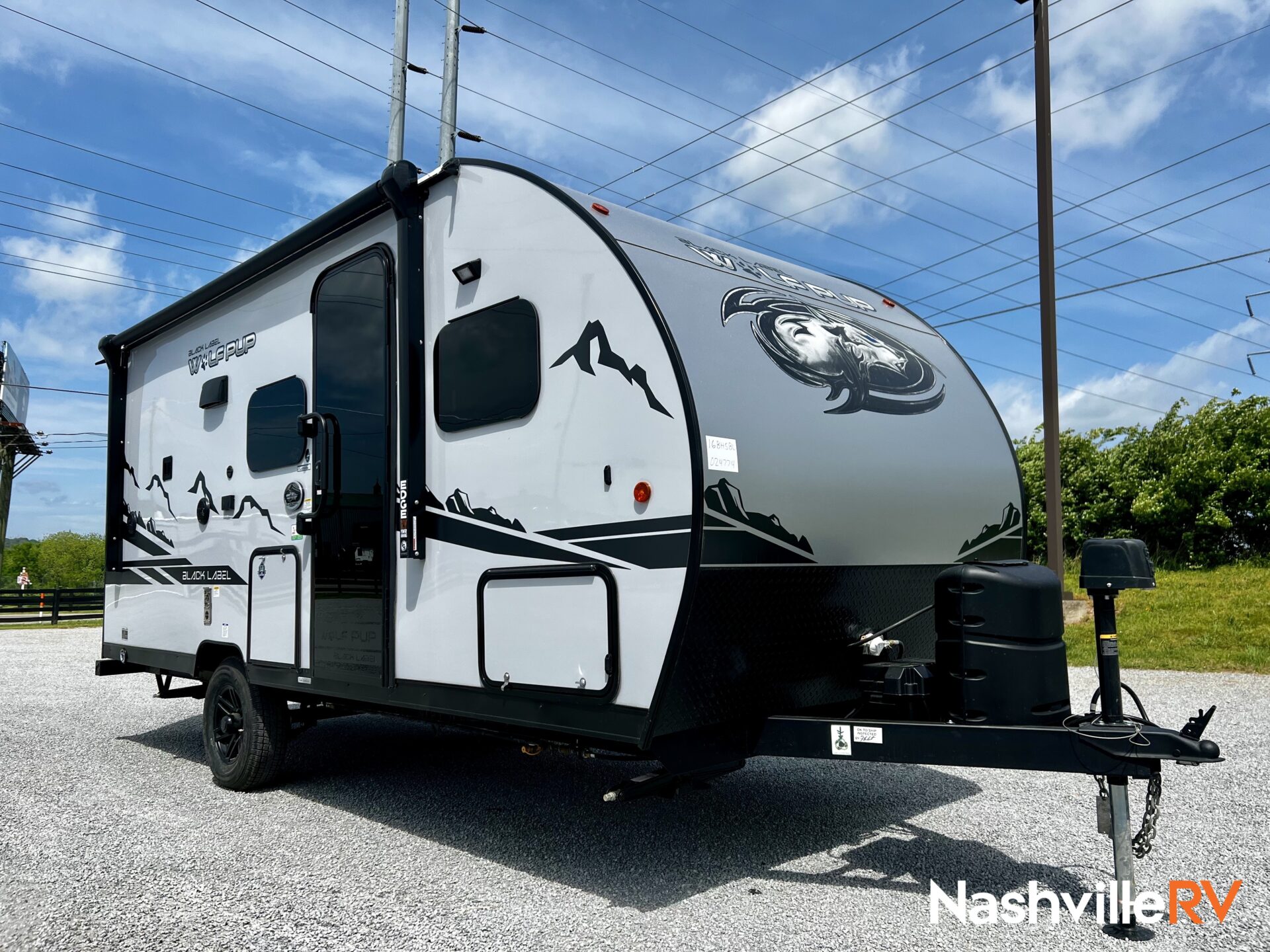
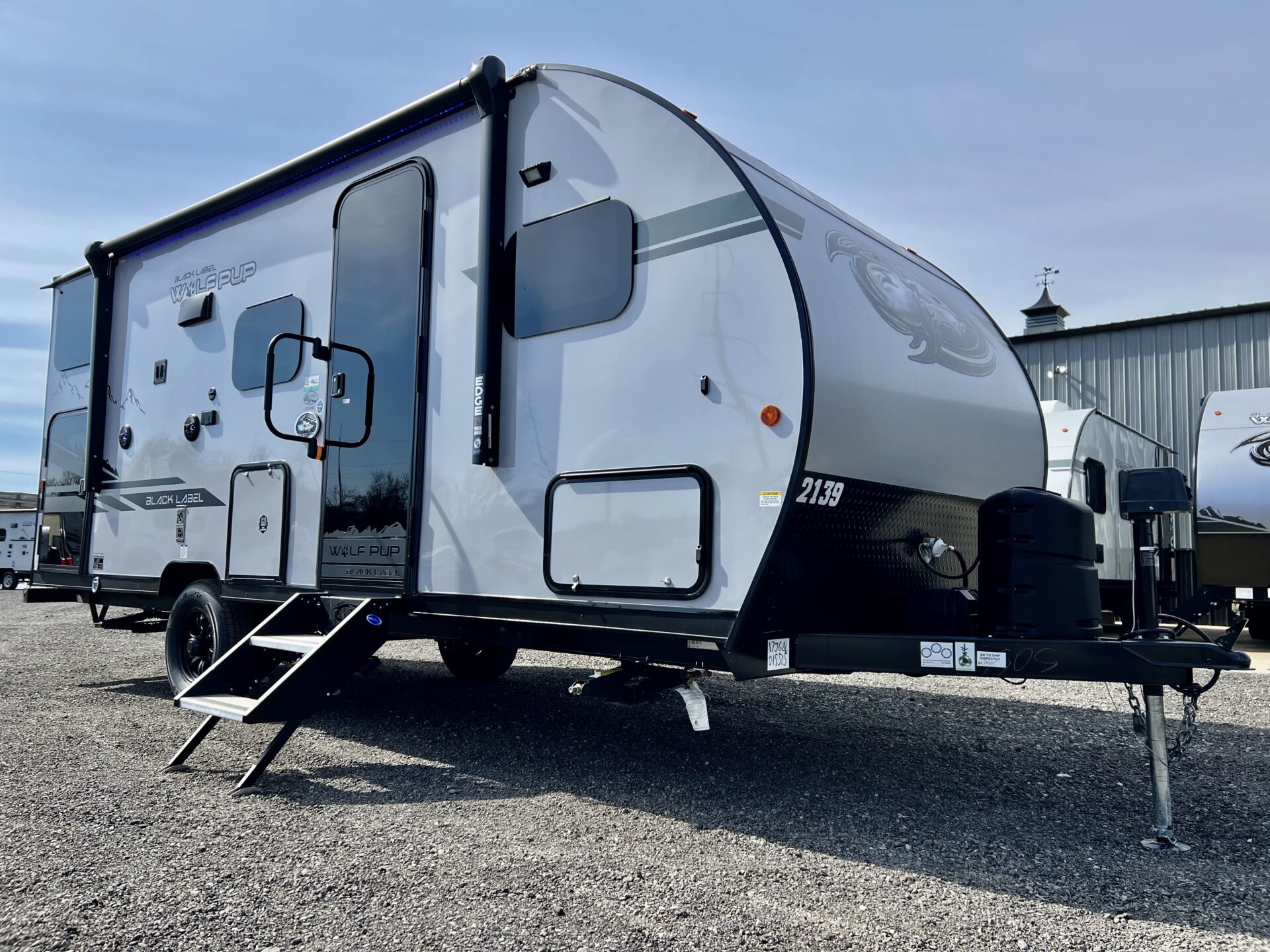
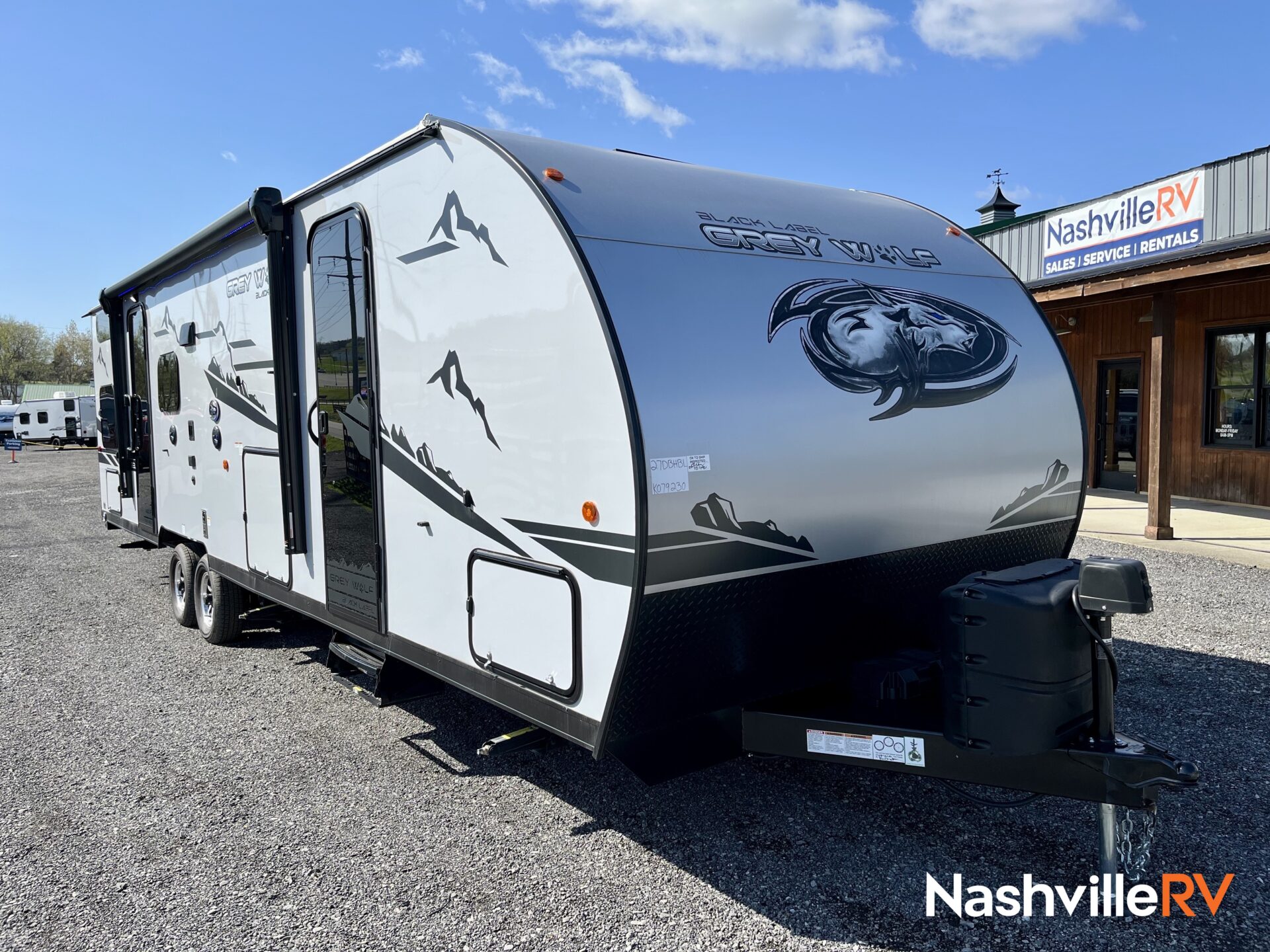
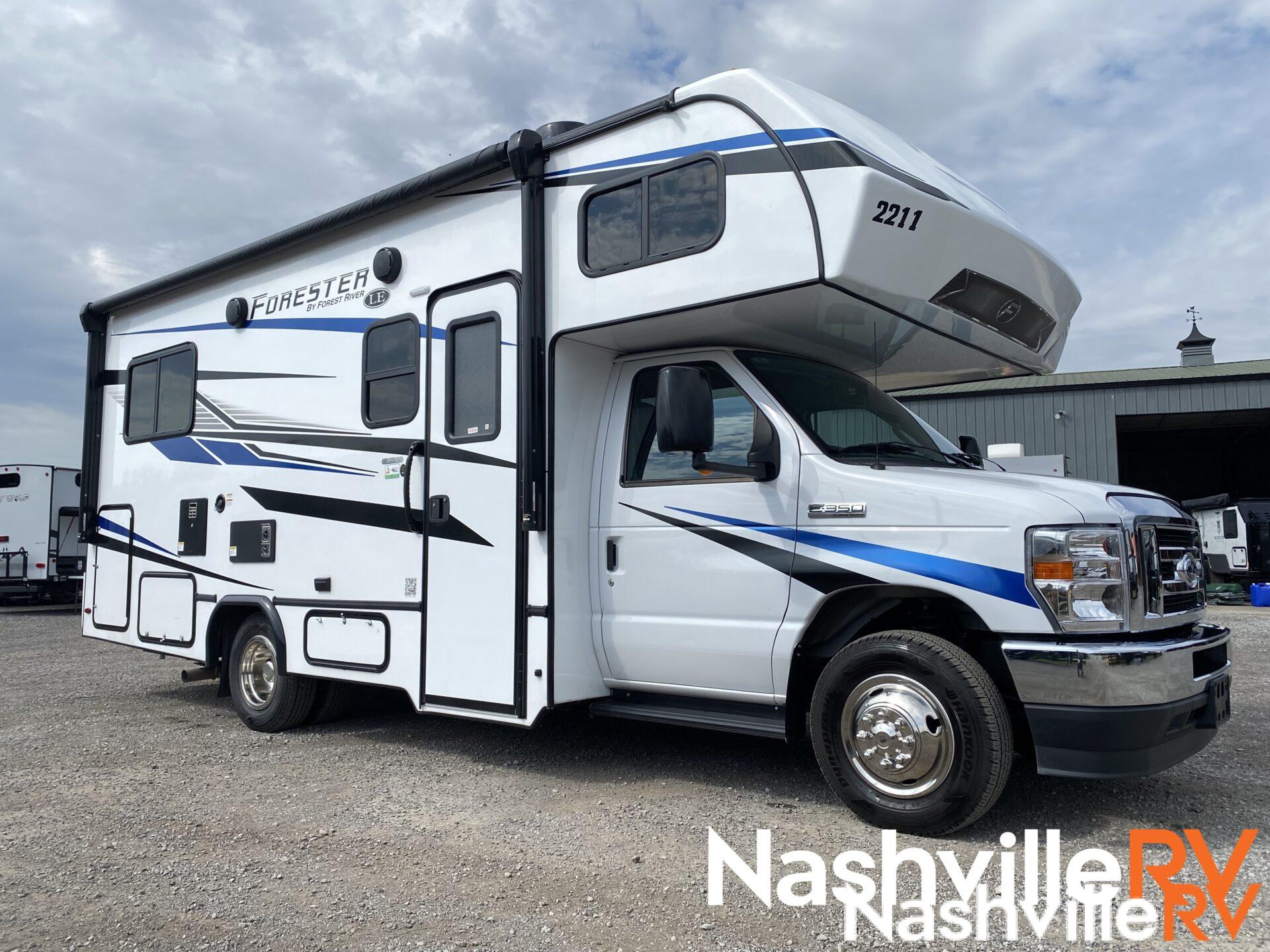
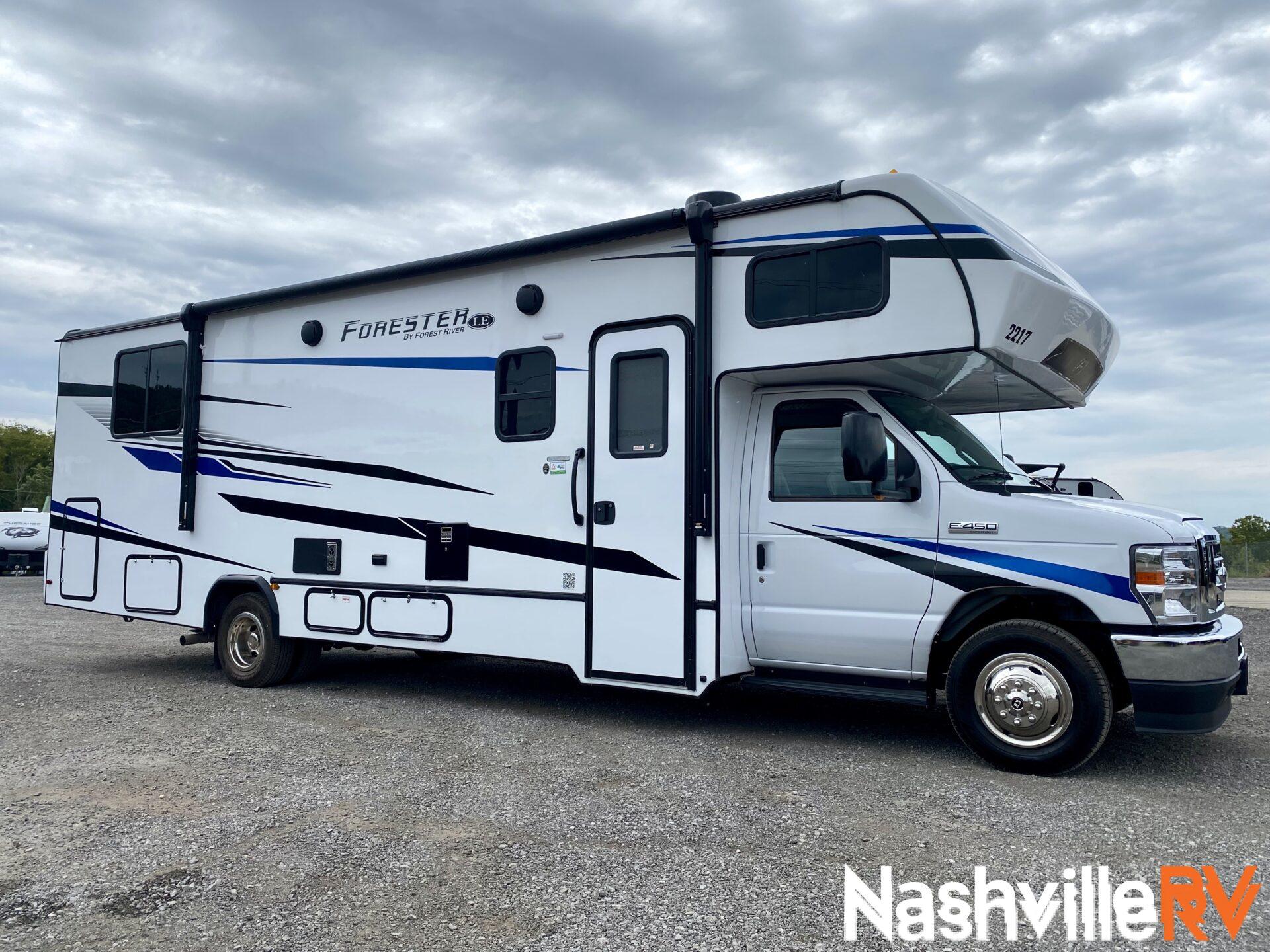
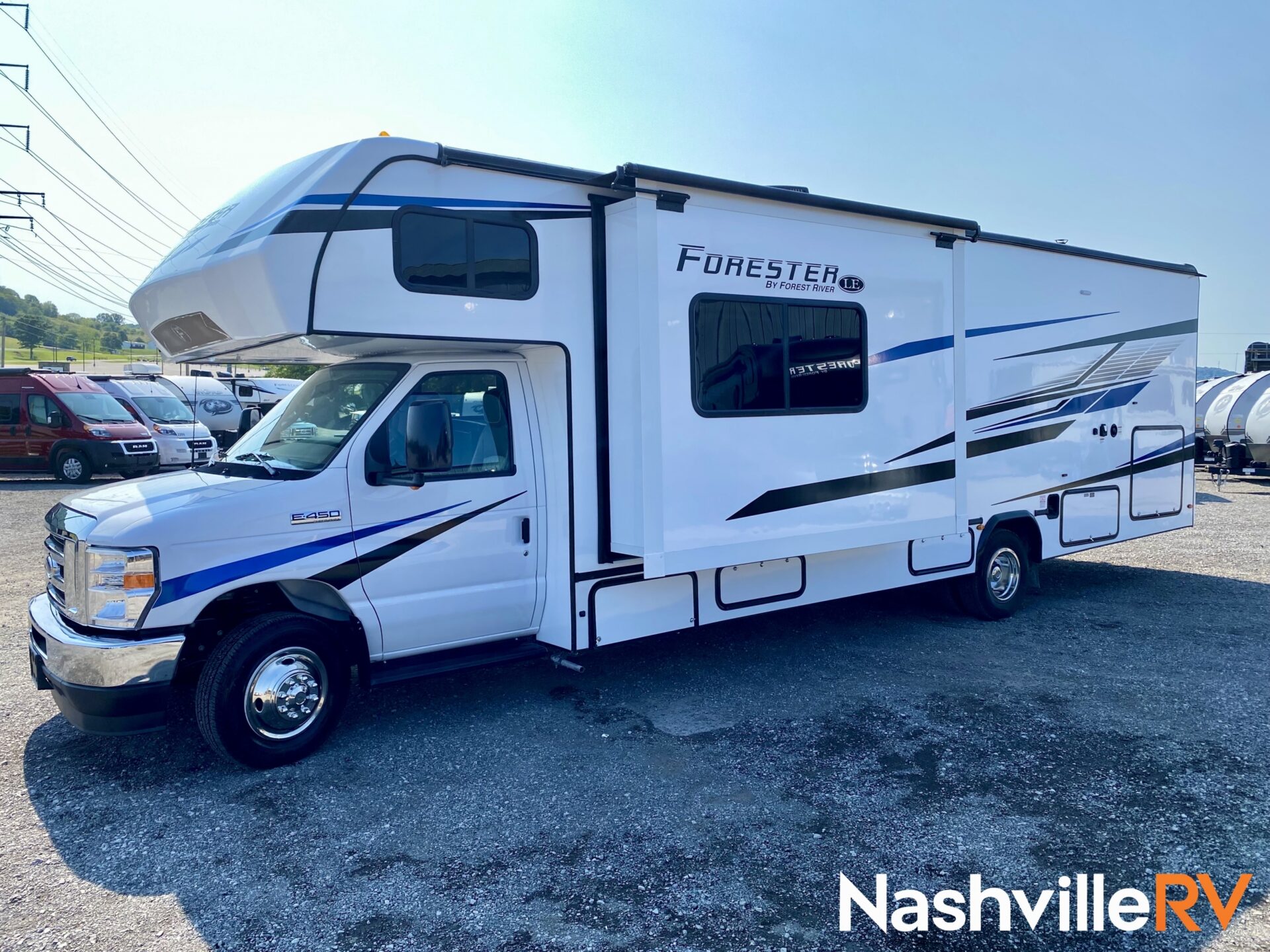
RV Types Curerntly Available to Rent:
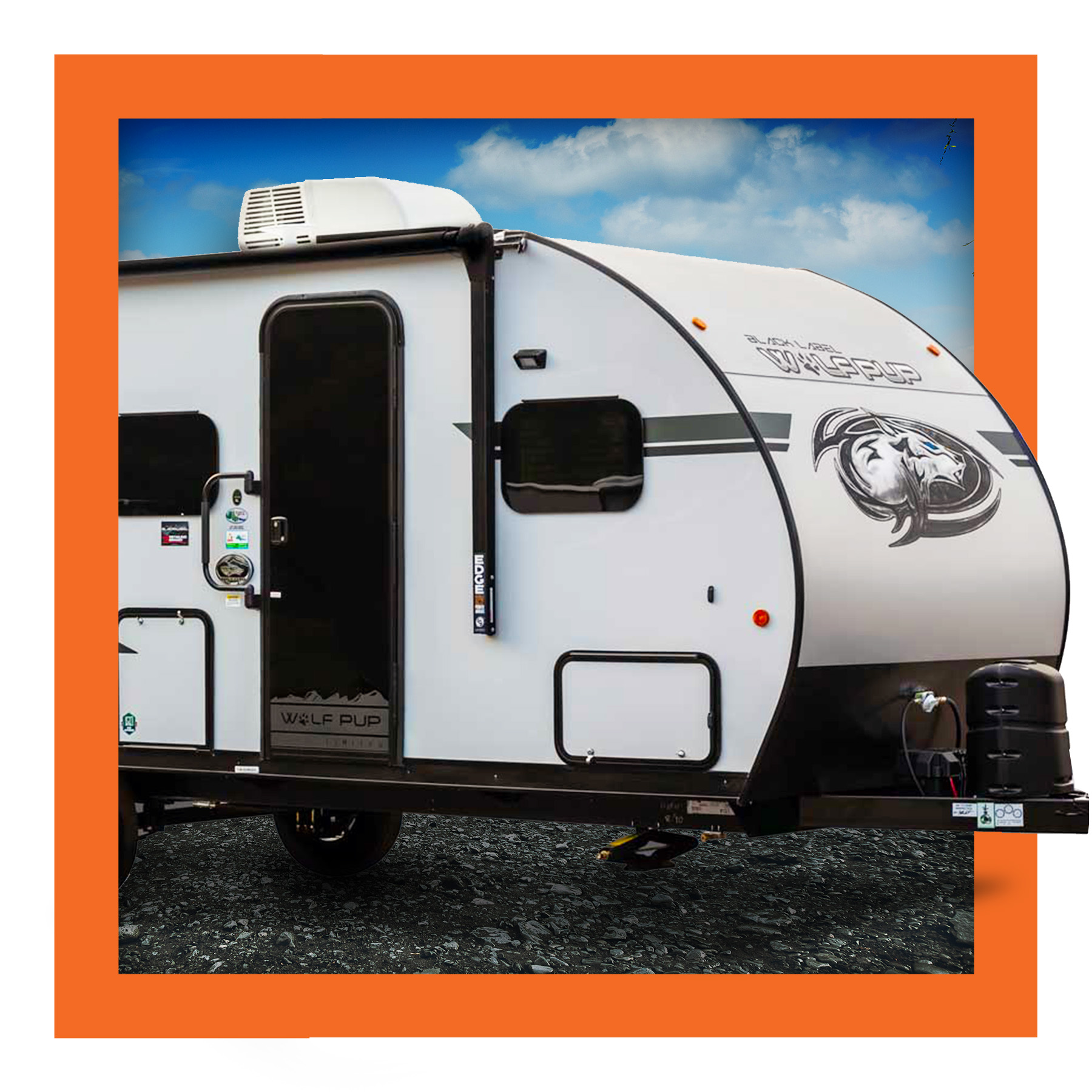
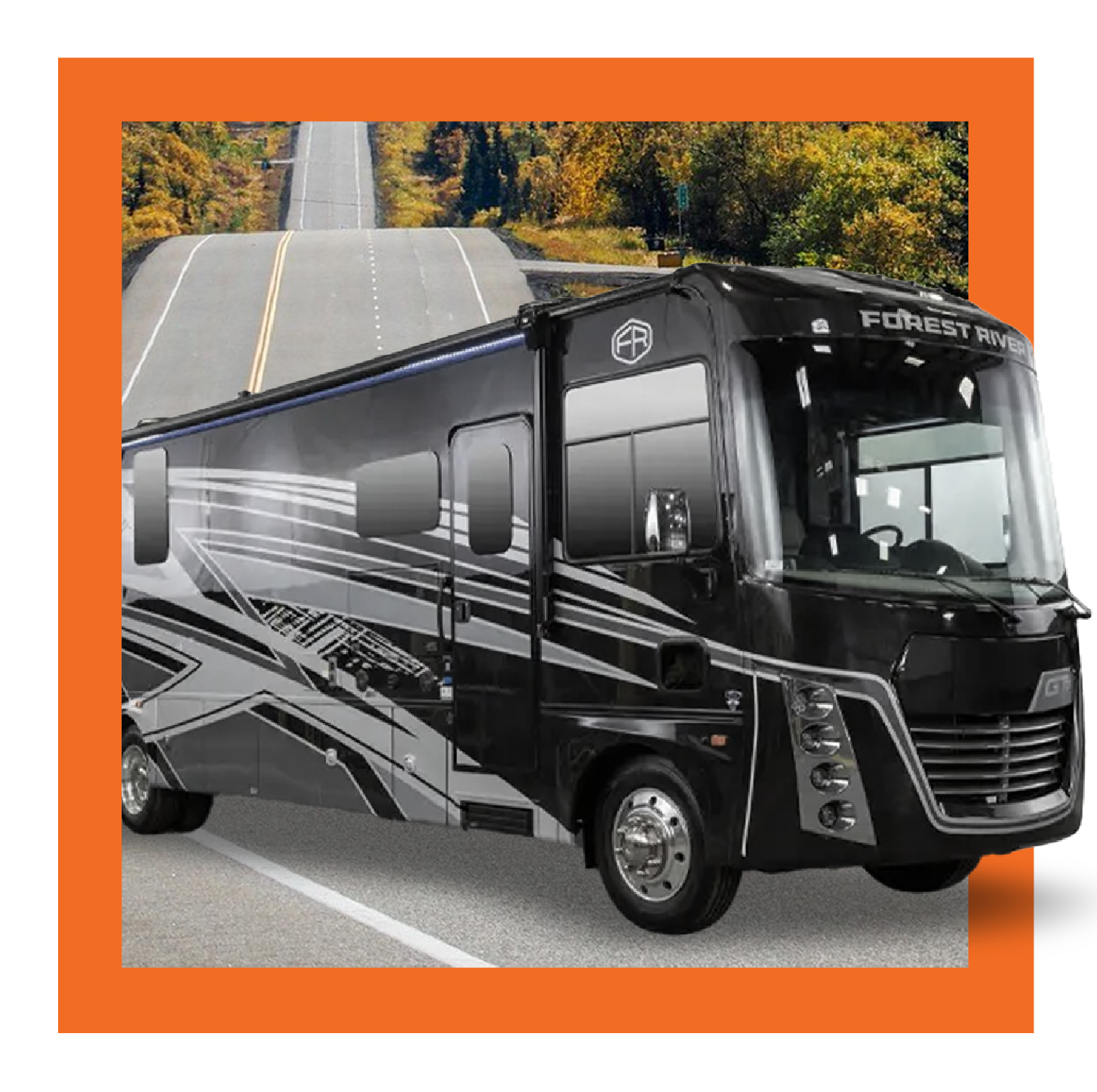
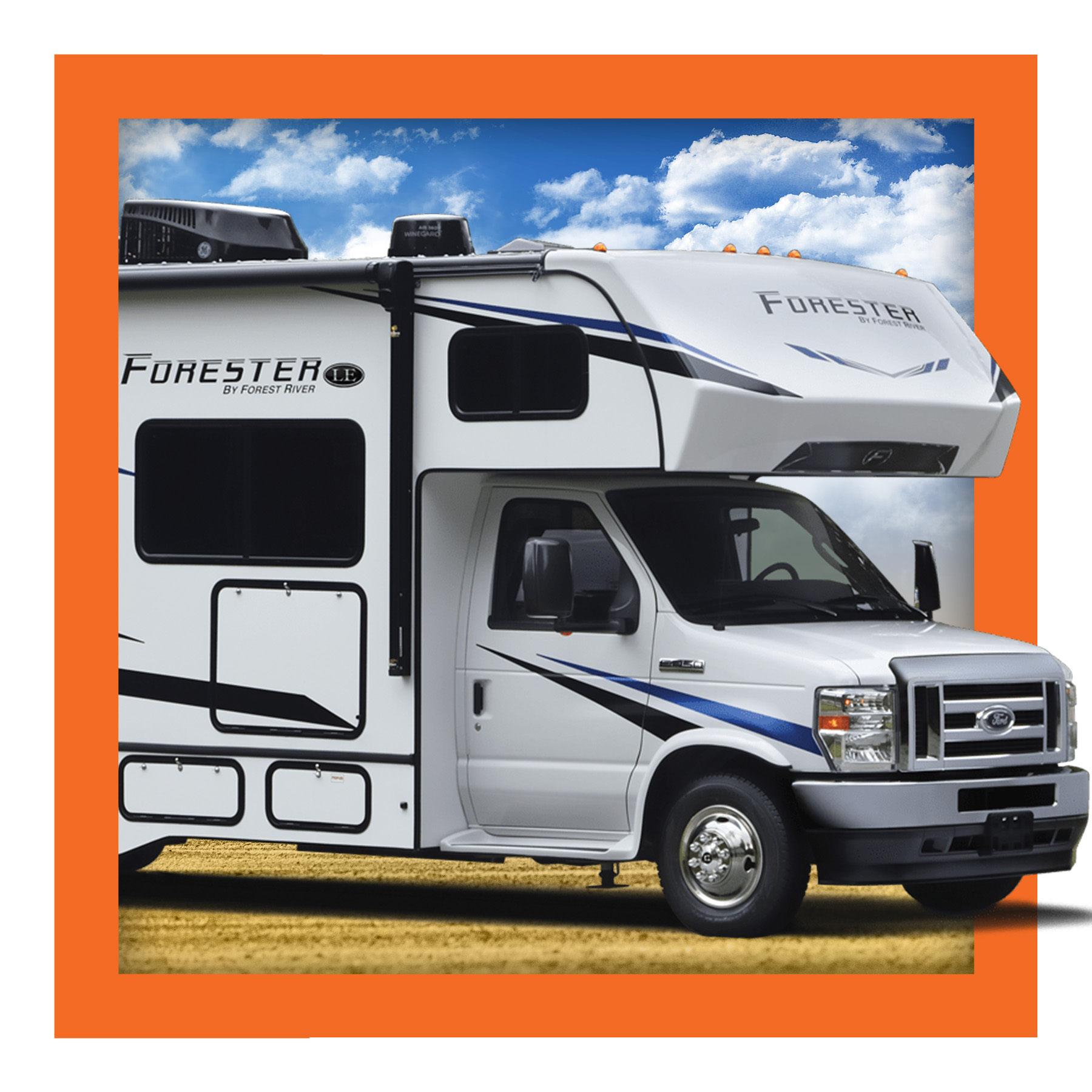
All of our RV Rental vehicles—motorhomes and travel trailers of all shapes and sizes—are kept immaculately clean and have been upgraded to offer every luxurious amenity available to them. Our team is ready and waiting to find you the best possible vehicle for your adventure… and your budget.