
Choosing between a housing trailer and a travel trailer depends on your intended use, towing setup, and desired comfort level. While both provide mobile living spaces, they serve different purposes and offer distinct benefits. Below, we’ll compare housing trailers and travel trailers across key factors—design, amenities, towing requirements, and best-use scenarios—so you can decide which type best fits your Nashville rental needs.
Design & Construction Differences
At first glance, housing trailers and travel trailers may look similar, but their construction and intended functions vary significantly:
Housing Trailers
- Frame & Chassis: Built on robust, heavy-duty chassis designed for semi–permanent placement. Often feature welded steel frames and reinforced floors to support longer-term occupancy.
- Insulation & Climate Control: Typically have thicker insulation and higher-capacity HVAC systems. Better suited for extended stays in variable Tennessee weather—hot summers and occasional winter dips.
- Interior Layout: Resemble a small modular home: separate living, kitchen, bathroom, and bedroom areas with residential-grade fixtures. May include full-size appliances and larger closets.
- Length & Height: Often exceed 30 feet and stand around 12–13 feet tall, requiring significant clearance and wider campsite spots.
Travel Trailers
- Frame & Chassis: Constructed for frequent towing, with lighter frames and suspension tuned for highway travel. Many models use aluminum framing to reduce weight.
- Insulation & Climate Control: Designed for weekend trips or vacations rather than full-time living. Insulation is adequate for spring and fall but may require extra heating or cooling in extreme temperatures.
- Interior Layout: Compact and efficient: combined kitchen and living areas, smaller bathrooms, and space-saving furniture. Slide‐outs expand living space when parked, but overall footprint remains lean.
- Length & Height: Range from 15 to 35 feet long and usually under 12 feet tall, making them easier to tow with a half-ton or three-quarter–ton truck around Nashville and state park roads.
Amenities & Living Comfort
Your living style—short-term getaway versus longer-term stay—determines which trailer makes sense:
Housing Trailers: Home-Like Comfort
- Residential Appliances: Full‐size refrigerators, four‐burner stoves, and standard ovens ensure you can cook large meals like you would at home.
- Spacious Bedrooms: Separate, carpeted bedrooms with larger closets and under‐bed storage—ideal for families or couples renting long-term in Murfreesboro or Franklin.
- Full Bathrooms: Walk‐in showers, linen closets, and dual‐sinks are common. More storage for toiletries and towels means fewer trips back to town for fresh supplies.
- Extended Utilities: Larger freshwater and wastewater tanks (100+ gallons) reduce refill frequency, and high-capacity HVAC units keep the interior comfortable even during Nashville’s summer heat.
Travel Trailers: Flexible & Functional
- Efficient Kitchens: Mid‐size refrigerators, two‐to‐three burner stoves, and microwave ovens strike a balance between functionality and weight. Perfect for weekend trips to Kentucky Lake or Cumberland River.
- Convertible Living Areas: Dinette booths and fold‐out sofas convert to additional sleeping spaces for up to six guests in family models. Ideal for short‐term stays near Fall Creek Falls or Short Springs State Natural Area.
- Compact Bathrooms: Neo‐angle or corner showers, toilet, and sink occupy a small footprint, saving space while maintaining necessary amenities for daily use.
- Standard Utilities: 40–60‐gallon tanks and 13,500–15,000 BTU air conditioners are common—adequate for weekend trips around Tennessee’s moderate climate but may require supplemental heating in colder months.
Towing Requirements & Vehicle Compatibility
Your tow vehicle and driving preferences greatly influence which trailer is right:
Housing Trailers Require Heavy-Duty Towing
- Towing Vehicle: Often need a ¾-ton or 1-ton truck with a heavy‐duty receiver and braking system. Some retailers specify a dually pickup if the trailer’s GVWR exceeds 15,000 lbs.
- Hitch Setup: Typically use a fifth wheel or gooseneck hitch for optimal weight distribution—less sway and improved stability when crossing Tennessee’s rolling hills and highways.
- Maneuverability: Longer wheelbases and taller profiles require experienced towing skills. Larger turning radius can make campsite backing challenging without practice and spotter assistance.
Travel Trailers Are Easier to Tow
- Towing Vehicle: Many travel trailers under 10,000 lbs GVWR pair nicely with a half-ton or three-quarter–ton truck, or even an SUV with tow package, ideal for weekend travel on I-40 or I-65.
- Hitch Setup: Use a standard ball hitch or weight‐distribution hitch. Sway control bars improve stability in wind or passing semi-trucks on interstate routes.
- Maneuverability: Shorter models (20–25 ft) are straightforward to navigate in tight RV park sites and local campgrounds like Barfield Crescent Park or Natchez Trace RV Campground.
Ideal Use Cases & Best-Fit Scenarios
Match each trailer type to your intended travel style and stay duration:
When to Choose a Housing Trailer
- Extended Stays or Full-Time Use: If you plan a month‐long assignment in Murfreesboro or seasonal work near Mammoth Cave, a housing trailer provides home-like stability and storage.
- Remote Work & Short-Term Housing: Construction crews, traveling nurses, or film crews working near Nashville or Knoxville often use housing trailers as temporary housing units for 4–12 weeks.
- Large Families or Groups: When you need multiple bedrooms, full bathrooms, and expansive living space—such as hosting extended family reunions at Land Between the Lakes.
When to Choose a Travel Trailer
- Weekend Getaways & Vacations: If you’re planning a short trip to Cumberland Falls or camping at Percy Priest Lake for a few nights, a travel trailer’s flexibility and easy towing are ideal.
- Seasonal Camps & Festivals: For attendees of Bonnaroo, CMA Fest, or regional tailgating at Nissan Stadium, compact travel trailers fit festival parking and allow quick setup.
- First-Time RVers: If you’ve never towed before, starting with a smaller travel trailer under 8,000 lbs GVWR helps you build confidence on Tennessee highways before scaling up.
Cost Comparison & Budget Considerations
Your budget affects both rental and operational costs:
Housing Trailer Costs
- Rental Rates: Generally \$150–\$300 per night, depending on length, amenities, and duration—monthly rates often exceed \$6,000. Perfect for long‐term projects but overkill for a weekend camping trip.
- Utilities & Maintenance: Higher energy costs from dual‐zone HVAC systems, larger propane consumption, and greater water usage. Factor in higher campground fees for larger site footprints.
- Upfront Deposits: Security deposits often \$2,000+ given the higher value and complexity of each unit—ensure your credit card can cover this hold.
Travel Trailer Costs
- Rental Rates: Start around \$80–\$120 per night for a 20–25 ft model; \$120–\$200 for family or mid‐level bunkhouse units. More affordable for short-term stays and seasonal travel.
- Utilities & Maintenance: Lower energy consumption, smaller propane tanks (20–30 lbs), and reduced water usage. Campground fees are often \$30–\$60 per night with full hookups at state parks.
- Security Deposits: Usually \$1,000–\$1,500—more accessible for first‐time or occasional renters.
Tips for Renting in Nashville
- Book Early for Peak Season: Summer and fall foliage months fill quickly—reserve at least 2–3 months in advance to secure the right model. Check our Weekend RV Trips from Nashville post for timing insights.
- Verify Campground Compatibility: If you plan to camp at sites with length restrictions (e.g., urban campgrounds close to Broadway), confirm maximum RV lengths. Smaller travel trailers fit more sites than housing trailers, which often exceed 35 ft.
- Inspect Thoroughly: Always perform a detailed walkthrough—check roof seals, slide mechanisms, tires, and plumbing before departure. Document existing damage with photos to avoid disputes upon return.
- Ask About Add-Ons: Gear packages (kitchen kits, camping chairs, outdoor rugs) simplify the packing process. If you have pets, request a pet‐friendly bundle and consider our Pet-Friendly RV Rentals page for campground recommendations.
- Plan Fuel & Tow Vehicle Needs: Ensure your truck’s payload capacity matches the trailer’s loaded weight. Monitor tire pressure daily—Tennessee’s rolling terrain can heat tires quickly, increasing blowout risk.
Conclusion
When deciding between a housing trailer and a travel trailer, consider how long you’ll stay, your towing vehicle’s capacity, and how much living space you need. Housing trailers excel for long‐term, residential-style living, while travel trailers offer flexibility for weekend trips and festival adventures around Nashville. By matching your travel style to each trailer’s strengths—coupled with early booking, thorough inspections, and smart campground choices—you’ll enjoy a seamless rental experience. Ready to reserve? Find a travel trailer for rent near Nashville or explore housing trailers for rent today!
NashvilleRV Rentals
Nashville’s Only Locally Owned RV Superstore.
Customer Reviews







He was great and treated us wonderful
Great experience






Point of advice for future renters: you are not reimbursed for any unused mileage on the rental. I made the mistake of over-estimating the mileage to mitigate any mileage charge on the return; however, I quickly learned that was not the case. Money down the drain for proactive thinking. Next time, I’ll only use the provided mileage estimate cost, and incur the exact additional cost in the return. Even with this lesson learned, I will still use them for future needs!


We decided we didn’t need to keep looking
His knowledge of the RVs and how they work for us new time renters made us feel so secure and have peace of mind .
Thanks Beau we can’t wait to start this journey.
Marjorie and Ron





Special thanks to Beau for the great attention and help throughout our visit. Highly recommend!



The staff, specifically Bo, were ready on standby for any questions or hiccups we encountered with the RV during our trip, and his kindness extended thru to the exact moment we returned the RV. These people genuinely want you to have the best time you can in their vehicles. Highly recommended!


We give him 5+ stars!













Vickie

Finance guy, Brian is a pleasure to work with. He cuts to the chase and doesn’t try to sell you more than you need!
Serviceman, Nate is simply the best!
Everyone else that we came into contact with during our visits to Nashville RV are super friendly!
Overall, great experience from start to finish…except the heat! 🙃
It has already been dog approved!
























Thank you, Tim & Sheri from Wyoming











Garrett was very thorough when explaining the ins and outs of the RV and how to make sure all fours tires stay in contact with roads.
Would definitely recommend going through Garrett if you are considering renting an RV.

He was patient and understanding while we fumbled through the process, but ultimately was a professional about the whole experience. Bottom line, I wanna party with this guy…. And rent my RV’s from him


We highly recommend Nashville RV, and plan to use them again in the future.


Morgan and Kay Cairns
Bon Aqua TN


Everything about our experience with them was 5 star + and we highly recommend them to anyone who is looking to rent an RV. We will definitely rent from Nashville RV again.
Richard and Renee Childers






Unit was clean, gassed up, tanks filled, ready to go. All required cords, hoses, etc were provided. Everything worked well and well maintained. Great rental experience. Thanks!

Sales Rep meets me on parking area. Calls a service representative from their other building. He begins to check it out. Another service rep joins him. Diagnose the problem. Gets us on the road. AND won't take a dime for jacking our right rear jack back up fully to the necessary place. Week retraction springs.
Highly recommend for their friendly fast knowledgeable service.

we pulled into this business, a service representative immediately came to our motorhome to find out our needs. Eventually there were three servicemen working to get us back on the road. EXTREMELY friendly and knowledgeable. Thank you. I would highly recommend Nashville RV in
Franklin.

The motor home was outfitted with everything we could have possibly needed. Easy to drive. Easy to set up. Highly recommended!
Garrett & Brad showed us everything we needed to know. Checking Out & Checking In took no time at all. The team had everything waiting for us with levels all topped off and full instructions on use. We had 24/7 access to a technician if needed. OUTSTANDING!!

Garrett and Brad were outstanding during the entire process from sharing options for rentals and prices, demonstrating the use of the vehicles, and following up on the overall experience.
My family and I were thrilled to make fun-filled memories using Nashville RV Rentals!



Highly recommend them, and renting an RV first if you’re considering ownership, especially if you’re newbies like we were. It really helps to show what you like and dislike so you can make a decision that’s right for you.
Brad and Garrett were awesome - go see them before you go on your RV Adventure!


Motivates me to run my business better!
RV’s were competitively priced too and basically brand new.
Look no further.




Even went home and returned with the wife to look around. No pressure and no sales pitches. We will definitely be back.



Also, Brad in the rental department is just as courteous and easy to deal with!
I won't be going anywhere else for a camper from here on.





They even have folks that will set up your rig at the campsite. We've used them close to a dozen times. They have earned our continued business. Wish I could give them six stars. Make sure you talk to them before you rent anywhere else.

I highly recommend phoning them if you are considering an RV trip!



They went over everything needed (and more) for our smokey mountain long weekend. All was easy from pick up to drop off. They actually answer phone during off hours! Huge plus on service. We'll be back for sure!


There is a reason they continue to have rave reviews online.
Thanks again and happy RVing!



For any other first-timers: the orientation is adequate, but brief. I'd encourage you to view YouTube tutorials as well before showing up for your rental and/or just filming the key parts of the orientation, as the manual is pretty slim. But, assuming those precautions, Nashville RV is a full-service, one-stop shop to get you safely on the open road--especially first-timers.




Garrett was very helpful and was even able to get us a one day extension to enjoy our trip. This place is top notch. We will definitely be back for our next RV rental. A heads up that this place is a little more expensive than somewhere like Cruise America but I feel like you get better service, a better RV and better coverage so it is worth it.



RV Rental Resources:
Trailers & Motorhomes for Every Occasion
Discover thrilling gaming adventures with enticing bonuses, immersive slots, and live dealers at casinos not on gamstop, ensuring endless entertainment and opportunities to win bi.
Explore the thrill of online gambling with enticing bonuses and exciting live dealer games at casinos not on gamstop, where your gaming experience knows no boundaries.
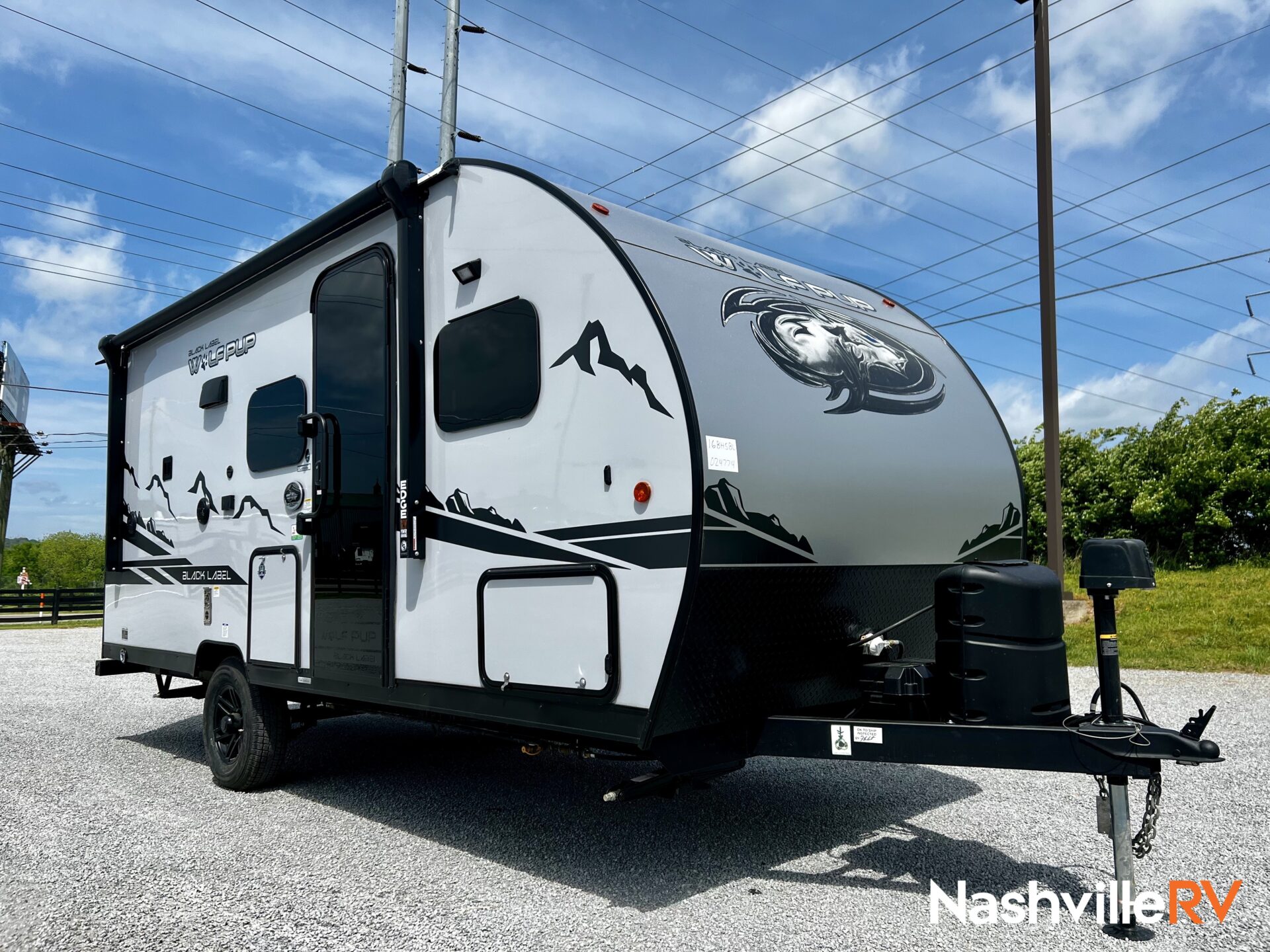
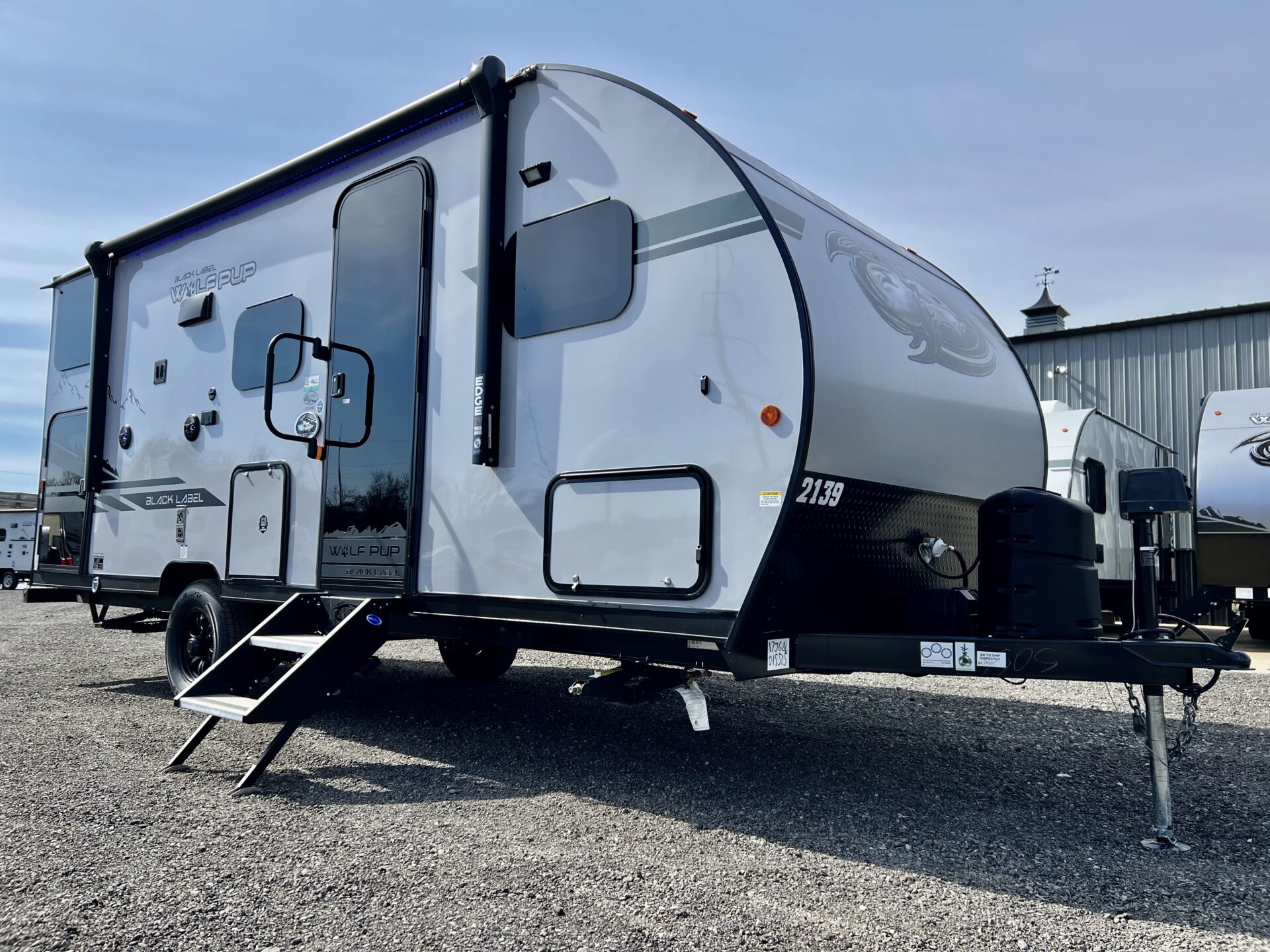
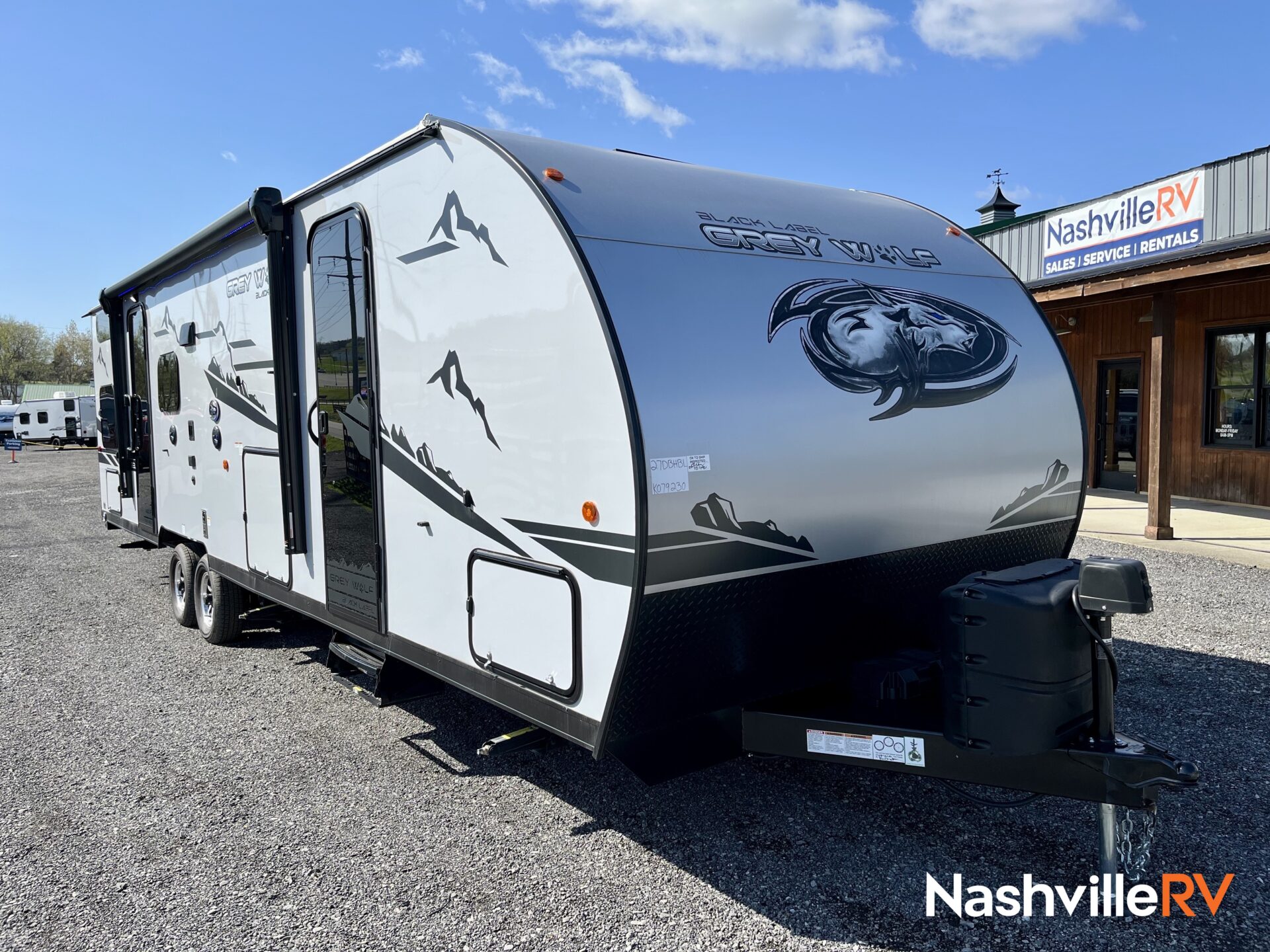
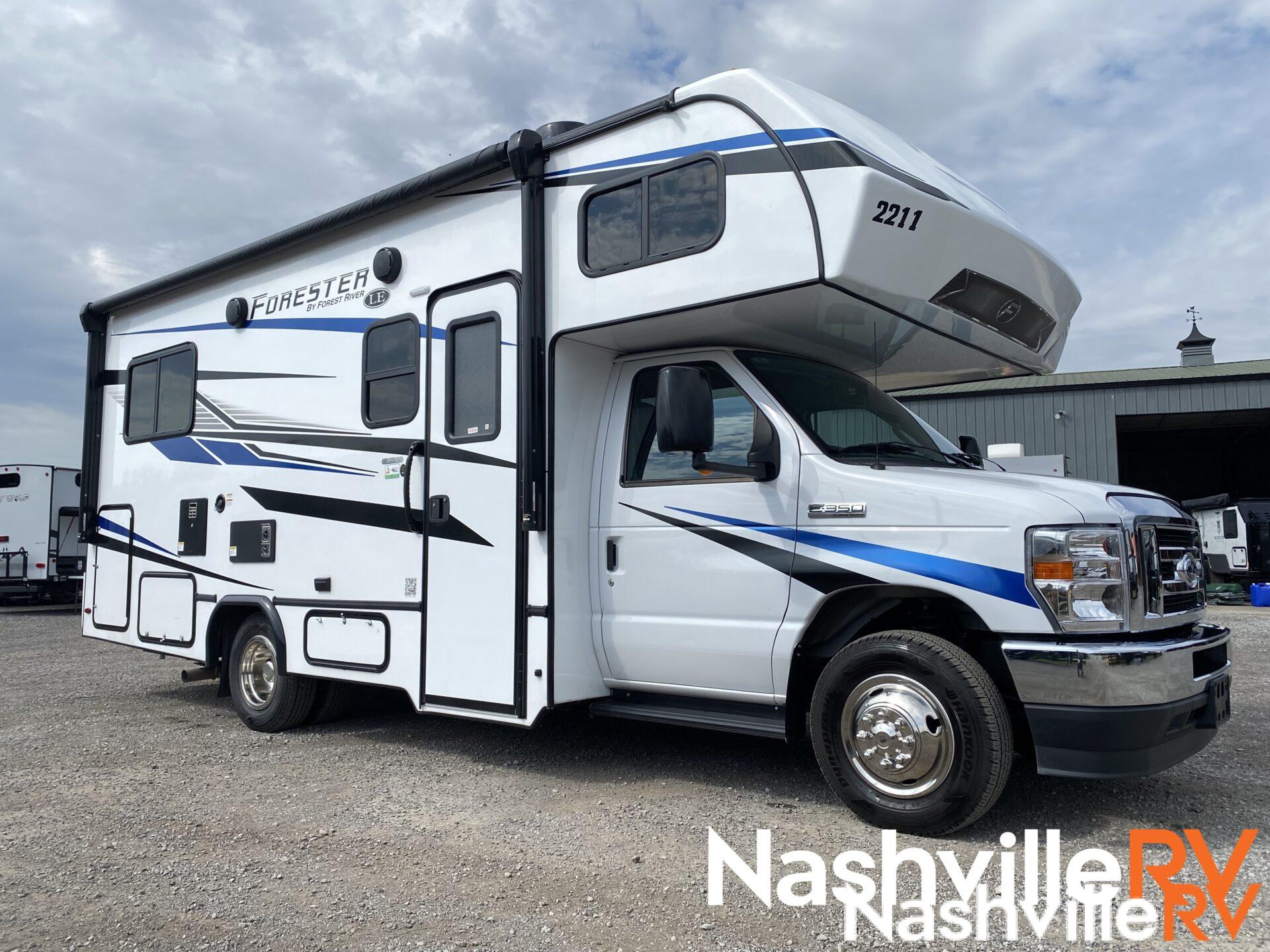
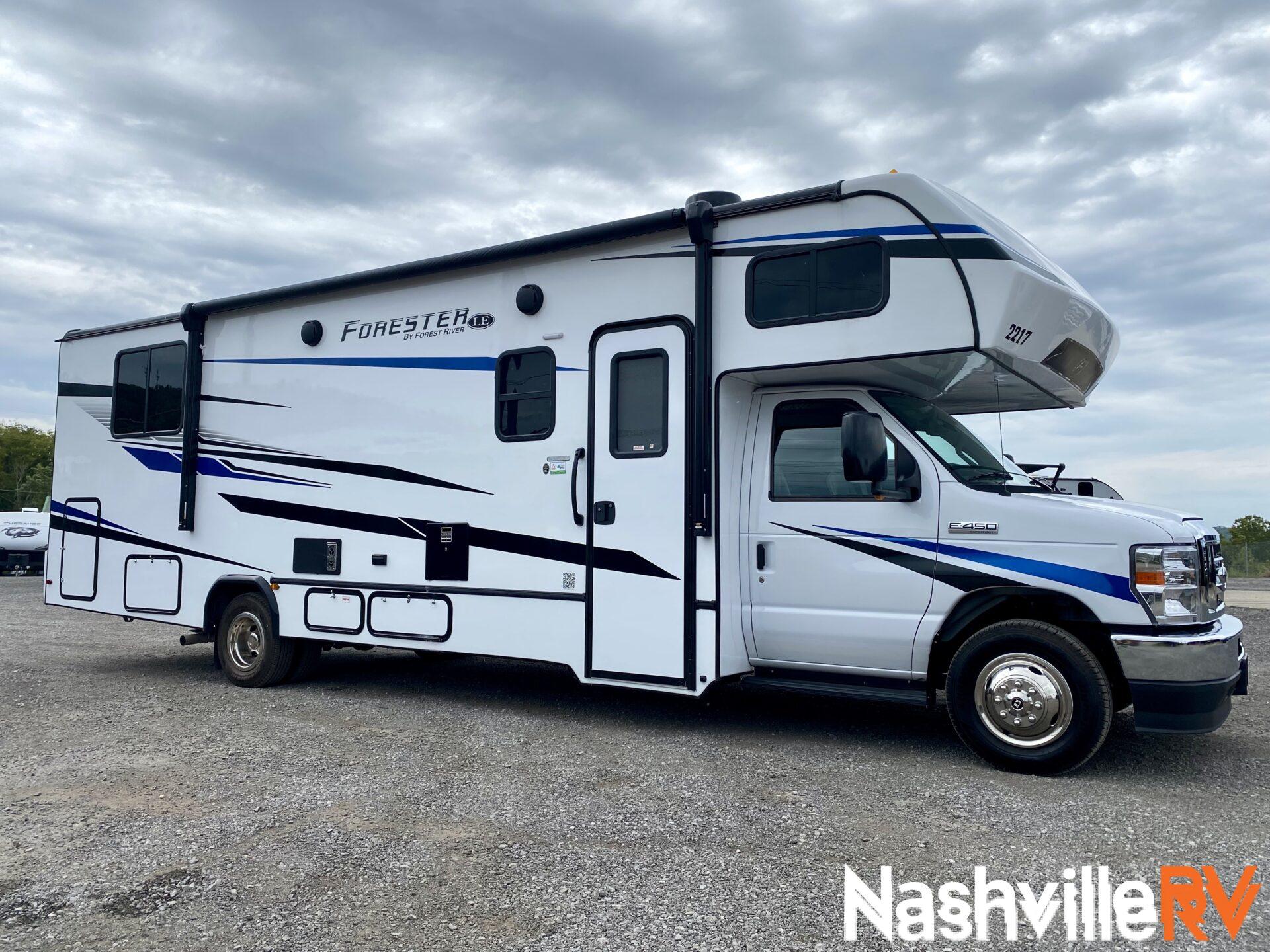
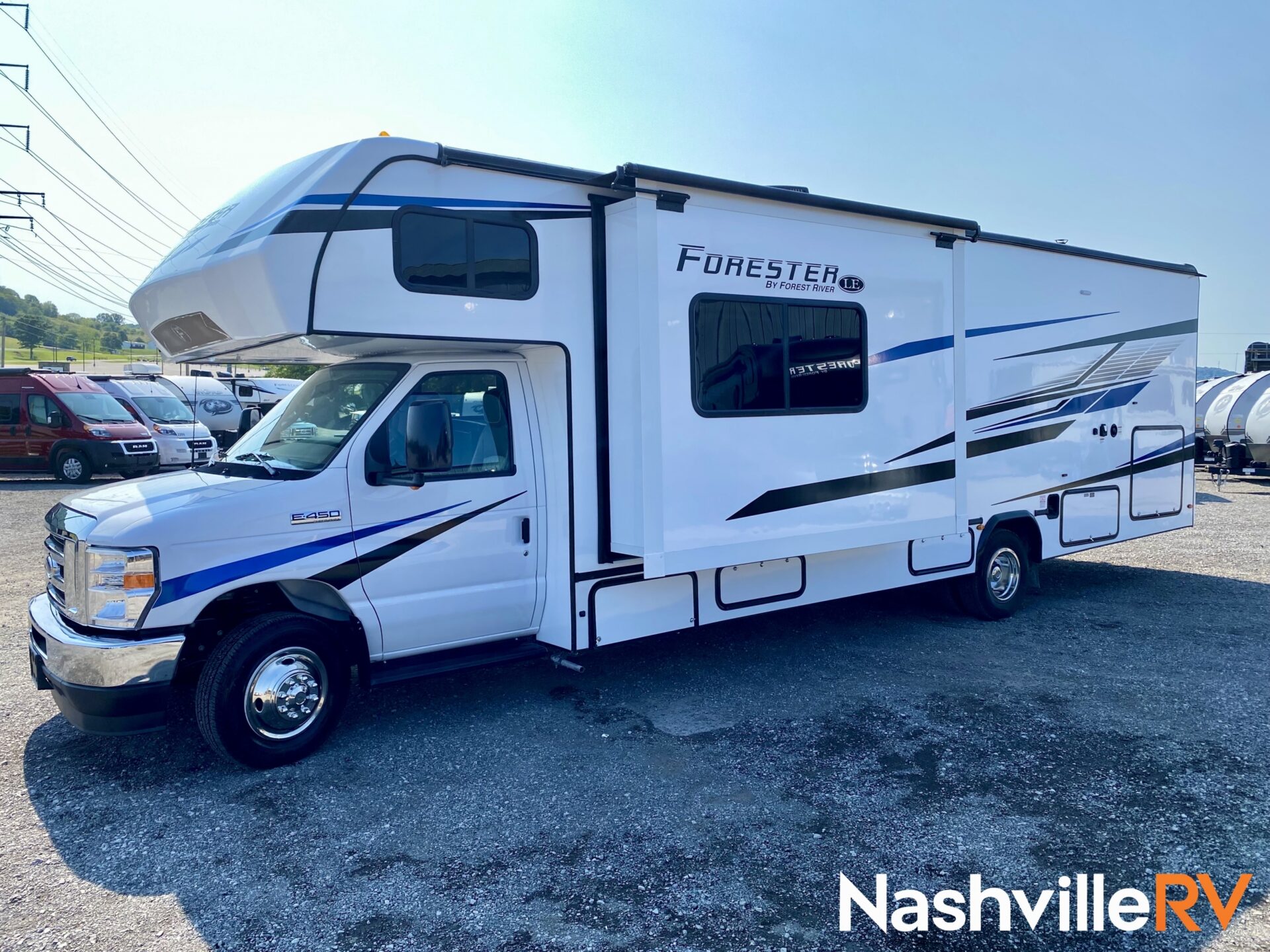
RV Types Curerntly Available to Rent:
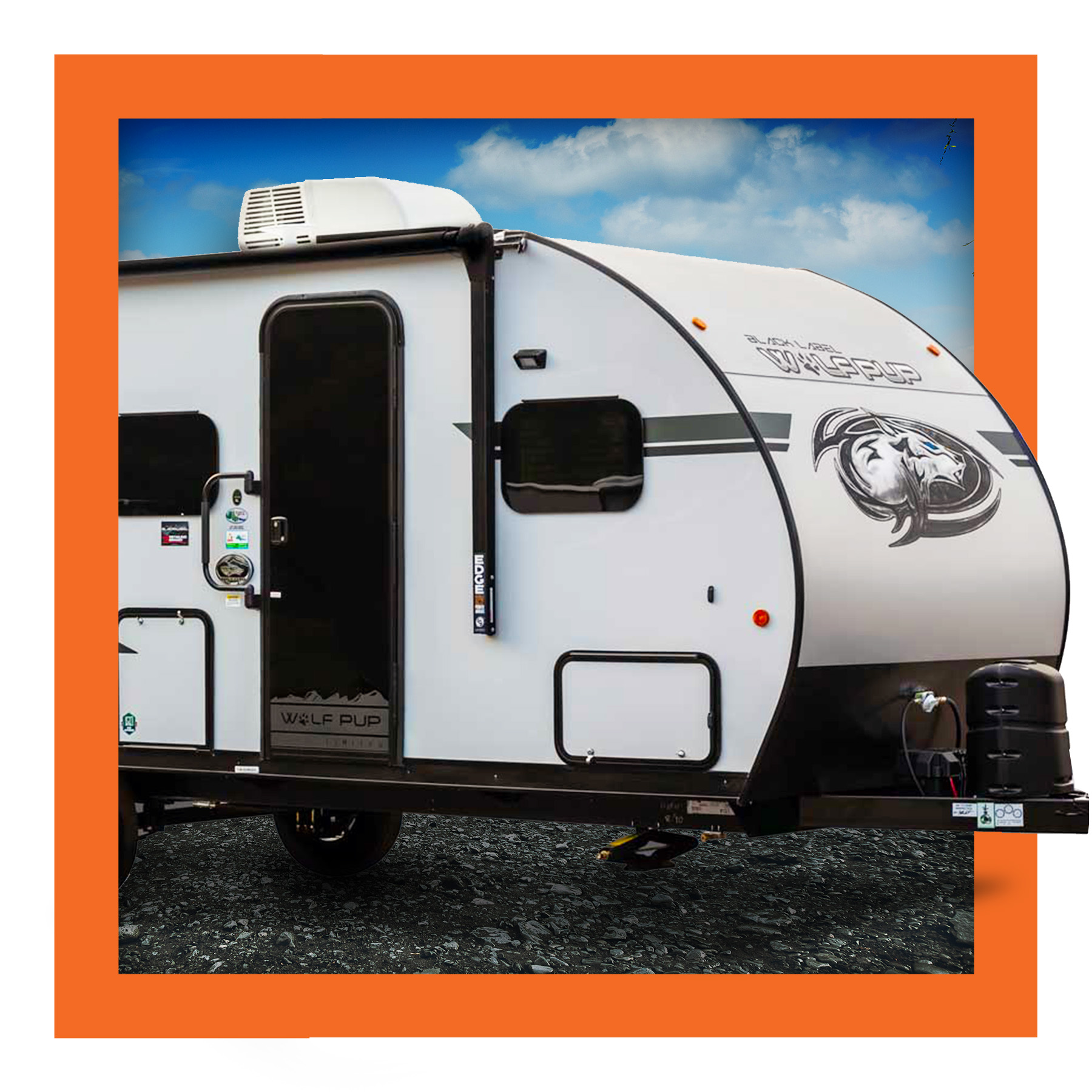
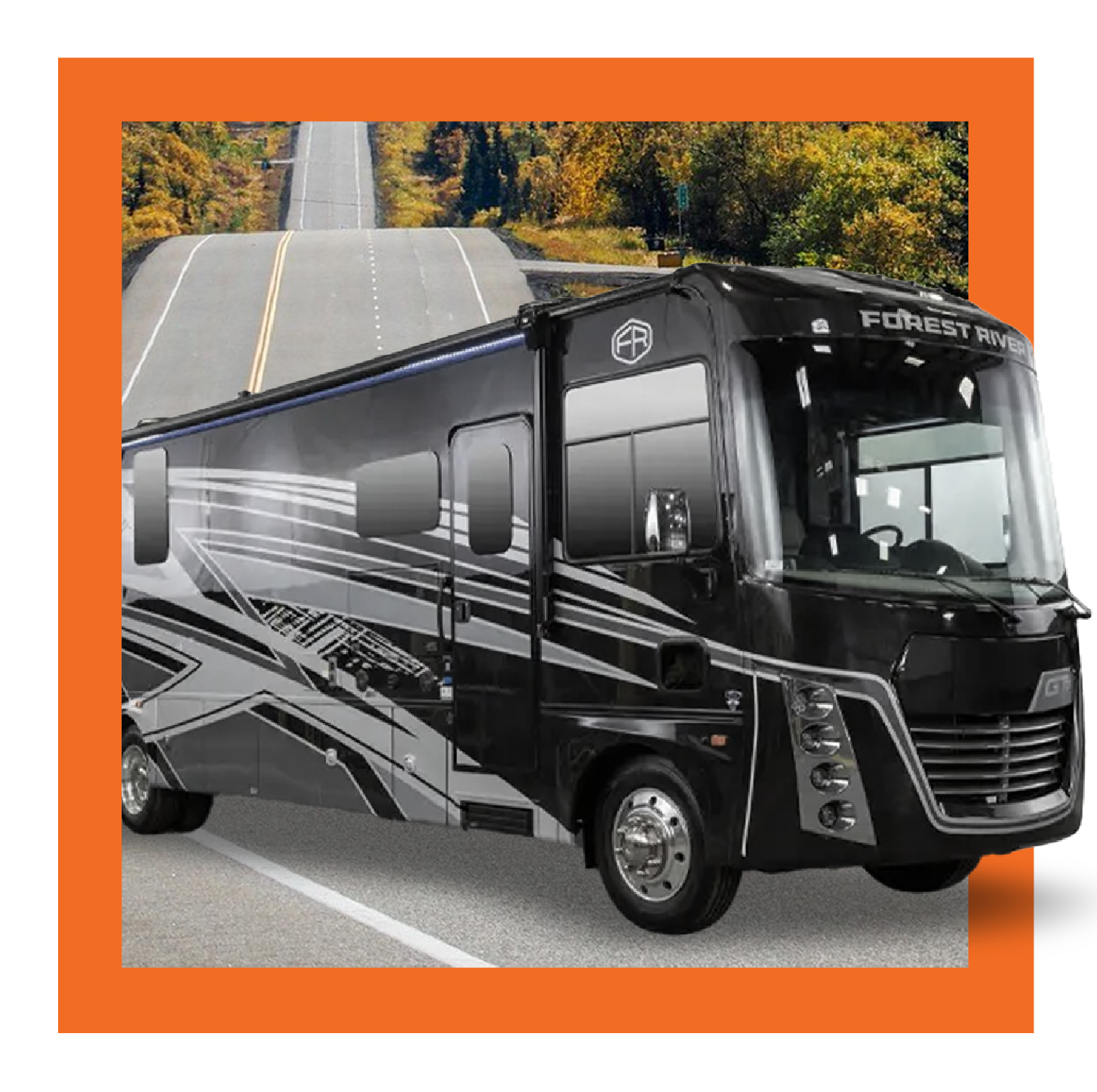
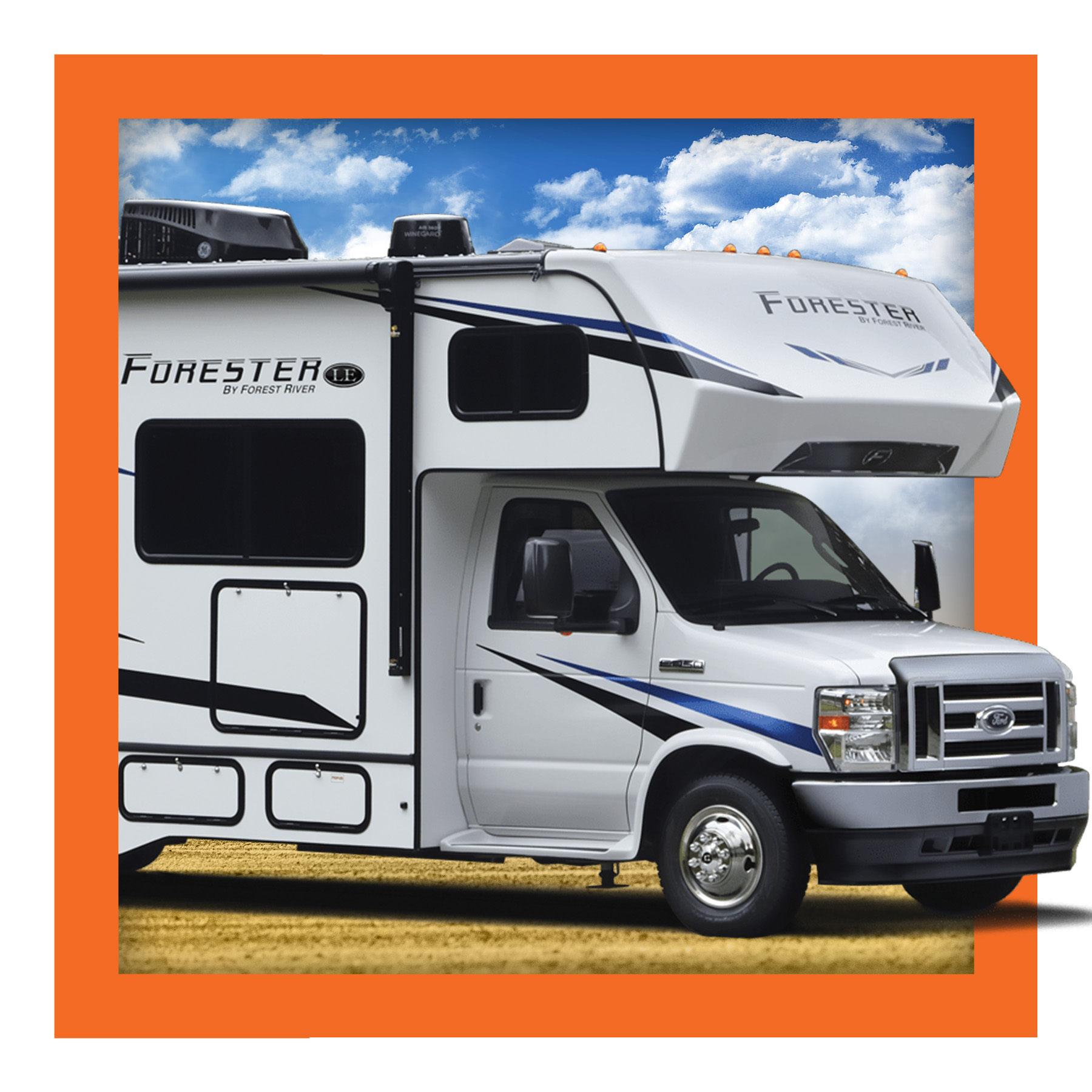
All of our RV Rental vehicles—motorhomes and travel trailers of all shapes and sizes—are kept immaculately clean and have been upgraded to offer every luxurious amenity available to them. Our team is ready and waiting to find you the best possible vehicle for your adventure… and your budget.