
When choosing between a travel trailer and a fifth wheel for your Tennessee road trips, it’s important to evaluate your towing setup, living space needs, budget, and campsite preferences. Both options offer comfortable interiors and full kitchens, but they differ in how they attach to your tow vehicle, how they handle on the road, and the amenities they provide. Below, we’ll compare key factors—towing requirements, interior layouts, storage, cost, and campground compatibility—so you can decide which RV style best fits your adventures.
Towing & Hitch Considerations
The way an RV hooks up to your truck has a big impact on handling, maneuverability, and safety.
Travel Trailer Towing
- Hitch Type: Attaches to a standard bumper pull hitch or weight-distributing hitch. Most travel trailers under 8,000 lbs GVWR work with a ½-ton or ¾-ton truck or a large SUV.
- Maneuverability: Shorter trailers (20–25 ft) are generally easier to back into campsites and navigate tight roads. Extended-length models (30–35 ft) may require wider turns but still offer fairly nimble handling.
- Towing Stability: Requires sway control devices—especially when towing on windy mountain passes or interstates. Proper weight distribution (50/50 tongue weight) is crucial to prevent fishtailing.
Fifth Wheel Towing
- Hitch Type: Uses a bed-mounted fifth wheel hitch, which places the pivot point over the rear axle of a ¾- or 1-ton truck. This setup offers superior towing stability and weight distribution compared to bumper pulls.
- Maneuverability: Because the pivot is higher and closer to the truck’s center of gravity, fifth wheels generally track more smoothly and have a tighter turning radius—especially useful for longer, heavier rigs.
- Tow Vehicle Requirements: Requires a compatible pickup with a reinforced bed and proper payload rating. If you already own a ¾- or 1-ton truck, a fifth wheel can maximize load capacity without overstraining your vehicle.
Living Space & Interior Layouts
Space efficiency and comfort vary between travel trailers and fifth wheels, due to their different designs.
Travel Trailer Layouts
- Floor Plan Variety: Available in single-axle (lightweight 15–20 ft) up to triple-axle models (30–35 ft) with multiple slide-outs. Smaller models suit couples or solo travelers; larger bunkhouse or mid-bath models accommodate families.
- Ceiling Height: Typically 6’6”–7’ tall, which is sufficient for most people but may feel slightly lower than a fifth wheel’s living area.
- Front Bedroom Configurations: Many feature a front master suite with a queen bed, wardrobe closets, and dual nightstands. Some bunkhouse models relocate sleeping quarters to the rear, freeing up front space for a living area.
- Kitchen & Living Area: Most kitchens are along one wall, with a dinette or sofa opposite. Slide-outs expand the living area, but floor space remains more compact than in most fifth wheels.
Fifth Wheel Layouts
- Raised Front Bedroom: The over-cab “bi-level” design places the master bedroom above the hitch, creating a distinct living space below. This separation provides privacy and a larger living room footprint.
- Ceiling Height: Often 7’–8’ in the living area and lofted bedroom, making the interior feel more open and spacious—ideal for taller travelers.
- Island & Spacious Kitchens: Many fifth wheels feature centrally located kitchens with islands or L-shaped counters, offering more counter space and storage. Full-size residential refrigerators and larger pantries are common.
- Multiple Slide-Outs: Higher-end models frequently include three or more slide-outs—expanding bedroom, living, and sometimes kitchen areas for open-concept living.
Storage & Amenities
Extended trips require ample storage—both interior and exterior.
Travel Trailer Storage
- Exterior Storage Compartments: Smaller pass-through storage bays under the front section for folding chairs, leveling blocks, and tools. Mid- and rear-bay compartments vary by model size.
- Interior Closets & Cabinets: Wardrobes in the bedroom, small pantry closets (in larger models), and overhead cabinets above seating areas provide room for clothing, dry goods, and gear. However, cabinets tend to be narrower, so bulky items may need creative placement.
- Lightweight Amenities: Compact HVAC systems, smaller water heaters (6–10 gallons), and limited holding tank capacities (30–50 gallons) reduce weight but may require more frequent refilling and dumping.
Fifth Wheel Storage
- Pass-Through Storage: Large, lockable bays under the living area and bedroom—often spanning the full width of the RV. These dry bays accommodate folding tables, outdoor rugs, and large storage totes.
- Under-Bed Storage: Many models provide additional storage under the master bed platform—ideal for seasonal clothing or bedding.
- Interior Closets & Drawers: Spacious wardrobes, linen closets, and deep kitchen drawers make organizing personal items and pantry staples easier. High-end models may include built-in china cabinets or extra pantry space.
- Luxury Amenities: Larger tank sizes (80–100 gallons), more robust HVAC systems with dual air conditioners, and residential-style appliances (18–22 cu ft refrigerators) allow extended off-grid stays and greater comfort in extreme weather.
Cost & Budget Factors
Your budget dictates both the initial purchase/rental price and ongoing operating costs.
Travel Trailer Costs
- Lower Purchase Price: Entry-level travel trailers start around \$15,000–\$20,000, with mid-range family models in the \$25,000–\$45,000 range.
- Rental Rates: Daily rental rates for a basic 20–25 ft travel trailer often range \$80–\$120 per night in peak season around Nashville. Larger, bunkhouse or luxury models may rent for \$120–\$180 per night.
- Fuel Economy: Lighter weights translate to better tow-vehicle fuel efficiency—expect a 1–2 mpg improvement compared to similarly sized fifth wheels.
- Maintenance Costs: Simpler undercarriage and fewer slide-out systems result in lower maintenance and repair costs—ideal if you’re on a tighter budget.
Fifth Wheel Costs
- Higher Purchase Price: Entry-level fifth wheels start around \$30,000, with mid-tier models ranging \$40,000–\$70,000. Luxury models easily exceed \$80,000–\$100,000.
- Rental Rates: Daily rentals for mid-sized fifth wheels (30–35 ft) typically run \$130–\$200 per night during peak season. Extended-stay or luxury models can exceed \$250 per night.
- Fuel Consumption: Heavier weight and wind resistance reduce tow-vehicle mpg—plan for 1–3 mpg less compared to a similar travel trailer setup.
- Maintenance Costs: More complex slide mechanisms, higher electrical demands, and residential-style appliances can lead to higher repair bills. However, robust construction often translates to longer lifespan and better resale value.
Campground Compatibility
Your choice affects where you can camp and how easy it is to park.
Travel Trailer Considerations
- Site Accessibility: Smaller trailers fit into most campground sites, including state parks and smaller privately owned parks. Narrow roads and tighter back-in spots are easier to handle.
- Site Fees: Some parks charge by length—travel trailers under 30 ft often incur lower nightly fees than longer fifth wheels.
- Leveling: Most sites require minimal leveling. Compact trailers can often be leveled with single-range blocks or stabilizer jacks.
Fifth Wheel Considerations
- Site Requirements: Many RV resorts and KOAs accommodate fifth wheels up to 40 ft, but primitive or “back-to-nature” parks may lack adequate clearance or pad width.
- Premium Site Fees: Expect higher rates for premium pull-through sites that allow easy fifth wheel parking. Some campgrounds impose a surcharge for rigs over 35 ft.
- Leveling & Stabilization: Fifth wheels often come with auto-leveling systems, simplifying setup. However, tight site footprints may require creative positioning and use of leveling blocks.
Choosing Based on Travel Style
Identify which features align with your ideal RV lifestyle and typical trip durations.
When to Choose a Travel Trailer
- Weekend Warriors & Festival Goers: Shorter, lighter trailers (20–25 ft) fit tighter festival lots—review our RV packing tips for festivals if you plan to attend events around Nashville.
- First-Time Tow Vehicles: If you own a ½-ton truck or SUV, travel trailers match towing capacity without the need for a heavy-duty hitch upgrade.
- Budget-Conscious Travelers: Lower purchase and maintenance costs let you upgrade amenities gradually—ideal if you’re building an RV lifestyle on a shoestring.
- Mixed Usage: If you occasionally detach the trailer and use your tow vehicle for daily errands, a travel trailer offers easier hook-up and detachment.
When to Choose a Fifth Wheel
- Full-Time Living & Extended Trips: Superior storage, residential-feel kitchens, and larger tanks make fifth wheels ideal for long-term stays—perfect if you winter in Florida or chase summer in the Smokies.
- Luxury & Space Seekers: If upscale amenities—residential refrigerators, washer/dryer hookups, fireplace, and theater seating—are non-negotiable, a fifth wheel delivers resort-style comfort.
- Heavy Tow Vehicles: If you already own a ¾-ton or 1-ton truck, a fifth wheel maximizes payload capacity and reduces tongue weight, enhancing driving stability on Tennessee’s rolling highways.
- Pet-Friendly Families: The divided floor plans (bedroom upstairs, living area below) allow kids or pets to remain settled while parents move about—ideal for families traveling with multiple pets (see pet-friendly campgrounds around Nashville).
Related Resources & Next Steps
For a detailed dive into riding dynamics, see Planning a Cross Country RV Adventure From Nashville. If you need packing lists and gear recommendations, consult RV Rental Gear & Accessory Packages.
Conclusion
Choosing between a travel trailer and a fifth wheel comes down to weighing towing convenience, interior space, storage capacity, and budget. Travel trailers excel for weekend getaways, tighter campsites, and lighter tow-vehicle setups, while fifth wheels win for extended living, luxury amenities, and smoother highway handling—especially if you already own a heavy-duty truck. By evaluating how you’ll use your RV, where you’ll camp, and how much driving you’ll do, you can select the floor plan that makes every Tennessee adventure feel like home. Ready to compare models and hit the road? Reserve your ideal RV today and start planning your next journey!

NashvilleRV Rentals
Nashville’s Only Locally Owned RV Superstore.
Customer Reviews







He was great and treated us wonderful
Great experience






Point of advice for future renters: you are not reimbursed for any unused mileage on the rental. I made the mistake of over-estimating the mileage to mitigate any mileage charge on the return; however, I quickly learned that was not the case. Money down the drain for proactive thinking. Next time, I’ll only use the provided mileage estimate cost, and incur the exact additional cost in the return. Even with this lesson learned, I will still use them for future needs!


We decided we didn’t need to keep looking
His knowledge of the RVs and how they work for us new time renters made us feel so secure and have peace of mind .
Thanks Beau we can’t wait to start this journey.
Marjorie and Ron





Special thanks to Beau for the great attention and help throughout our visit. Highly recommend!



The staff, specifically Bo, were ready on standby for any questions or hiccups we encountered with the RV during our trip, and his kindness extended thru to the exact moment we returned the RV. These people genuinely want you to have the best time you can in their vehicles. Highly recommended!


We give him 5+ stars!













Vickie

Finance guy, Brian is a pleasure to work with. He cuts to the chase and doesn’t try to sell you more than you need!
Serviceman, Nate is simply the best!
Everyone else that we came into contact with during our visits to Nashville RV are super friendly!
Overall, great experience from start to finish…except the heat! 🙃
It has already been dog approved!
























Thank you, Tim & Sheri from Wyoming











Garrett was very thorough when explaining the ins and outs of the RV and how to make sure all fours tires stay in contact with roads.
Would definitely recommend going through Garrett if you are considering renting an RV.

He was patient and understanding while we fumbled through the process, but ultimately was a professional about the whole experience. Bottom line, I wanna party with this guy…. And rent my RV’s from him


We highly recommend Nashville RV, and plan to use them again in the future.


Morgan and Kay Cairns
Bon Aqua TN


Everything about our experience with them was 5 star + and we highly recommend them to anyone who is looking to rent an RV. We will definitely rent from Nashville RV again.
Richard and Renee Childers






Unit was clean, gassed up, tanks filled, ready to go. All required cords, hoses, etc were provided. Everything worked well and well maintained. Great rental experience. Thanks!

Sales Rep meets me on parking area. Calls a service representative from their other building. He begins to check it out. Another service rep joins him. Diagnose the problem. Gets us on the road. AND won't take a dime for jacking our right rear jack back up fully to the necessary place. Week retraction springs.
Highly recommend for their friendly fast knowledgeable service.

we pulled into this business, a service representative immediately came to our motorhome to find out our needs. Eventually there were three servicemen working to get us back on the road. EXTREMELY friendly and knowledgeable. Thank you. I would highly recommend Nashville RV in
Franklin.

The motor home was outfitted with everything we could have possibly needed. Easy to drive. Easy to set up. Highly recommended!
Garrett & Brad showed us everything we needed to know. Checking Out & Checking In took no time at all. The team had everything waiting for us with levels all topped off and full instructions on use. We had 24/7 access to a technician if needed. OUTSTANDING!!

Garrett and Brad were outstanding during the entire process from sharing options for rentals and prices, demonstrating the use of the vehicles, and following up on the overall experience.
My family and I were thrilled to make fun-filled memories using Nashville RV Rentals!



Highly recommend them, and renting an RV first if you’re considering ownership, especially if you’re newbies like we were. It really helps to show what you like and dislike so you can make a decision that’s right for you.
Brad and Garrett were awesome - go see them before you go on your RV Adventure!


Motivates me to run my business better!
RV’s were competitively priced too and basically brand new.
Look no further.




Even went home and returned with the wife to look around. No pressure and no sales pitches. We will definitely be back.



Also, Brad in the rental department is just as courteous and easy to deal with!
I won't be going anywhere else for a camper from here on.





They even have folks that will set up your rig at the campsite. We've used them close to a dozen times. They have earned our continued business. Wish I could give them six stars. Make sure you talk to them before you rent anywhere else.

I highly recommend phoning them if you are considering an RV trip!



They went over everything needed (and more) for our smokey mountain long weekend. All was easy from pick up to drop off. They actually answer phone during off hours! Huge plus on service. We'll be back for sure!


There is a reason they continue to have rave reviews online.
Thanks again and happy RVing!



For any other first-timers: the orientation is adequate, but brief. I'd encourage you to view YouTube tutorials as well before showing up for your rental and/or just filming the key parts of the orientation, as the manual is pretty slim. But, assuming those precautions, Nashville RV is a full-service, one-stop shop to get you safely on the open road--especially first-timers.




Garrett was very helpful and was even able to get us a one day extension to enjoy our trip. This place is top notch. We will definitely be back for our next RV rental. A heads up that this place is a little more expensive than somewhere like Cruise America but I feel like you get better service, a better RV and better coverage so it is worth it.



RV Rental Resources:
Trailers & Motorhomes for Every Occasion
Discover thrilling gaming adventures with enticing bonuses, immersive slots, and live dealers at casinos not on gamstop, ensuring endless entertainment and opportunities to win bi.
Explore the thrill of online gambling with enticing bonuses and exciting live dealer games at casinos not on gamstop, where your gaming experience knows no boundaries.
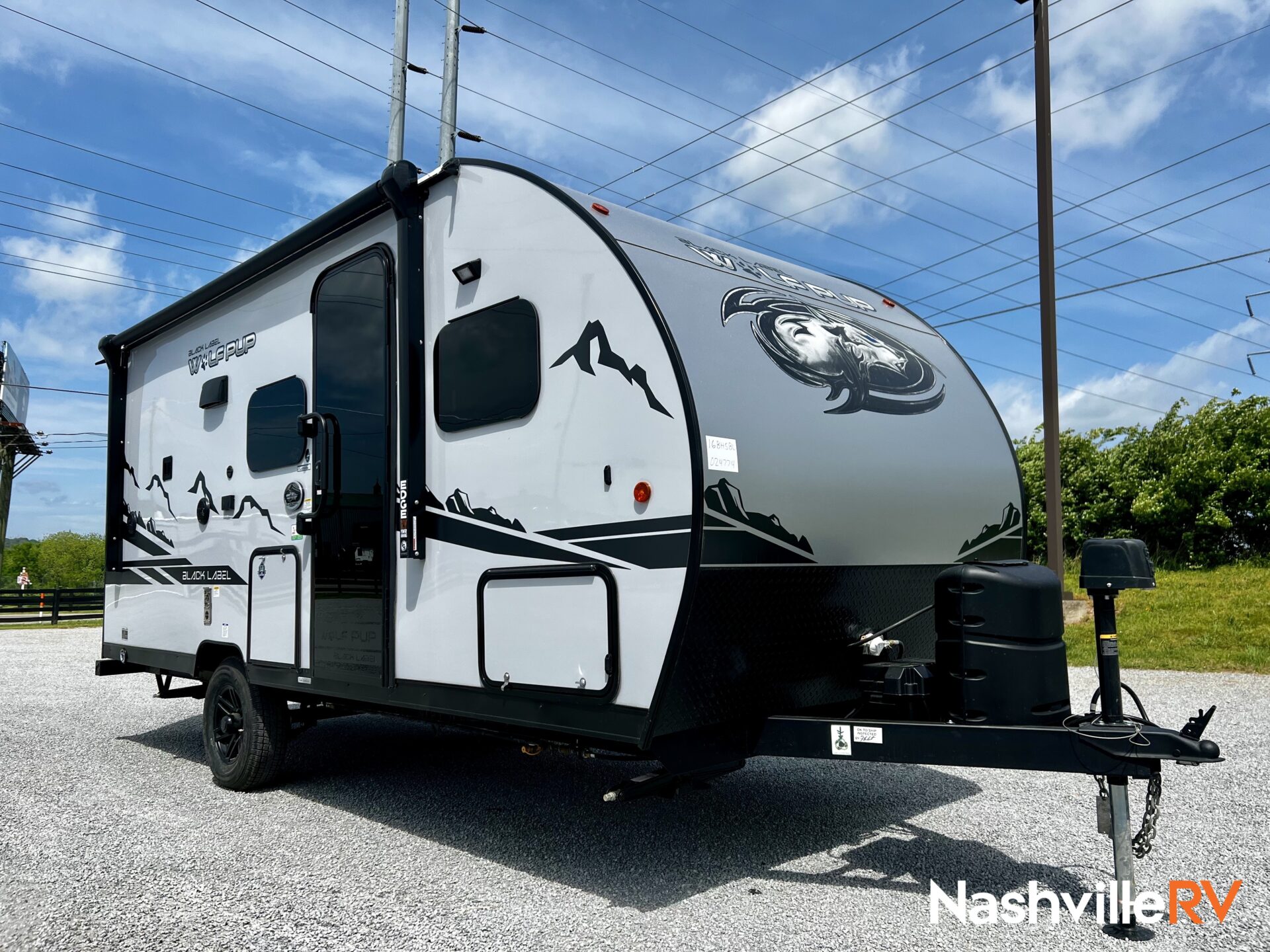
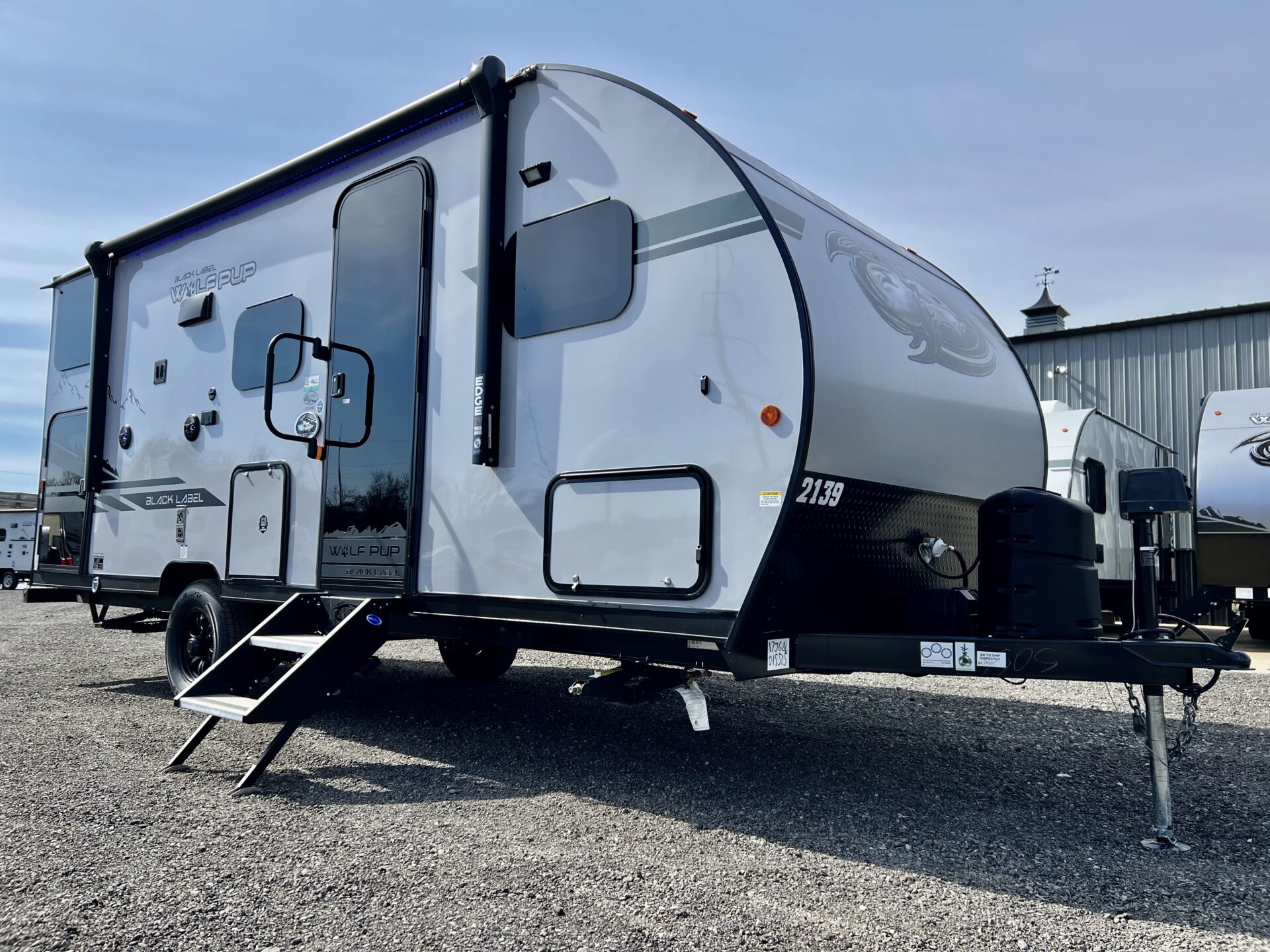
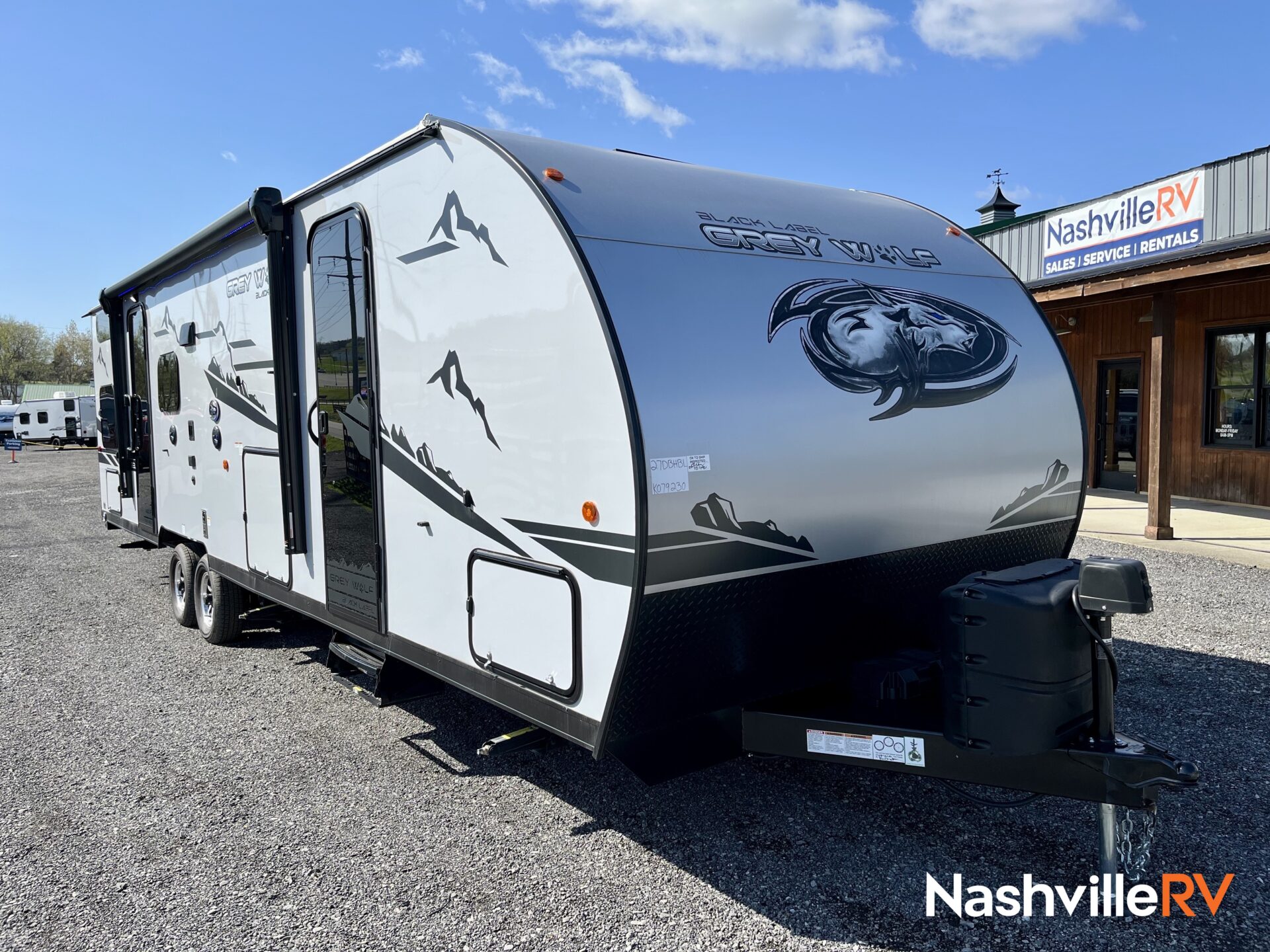
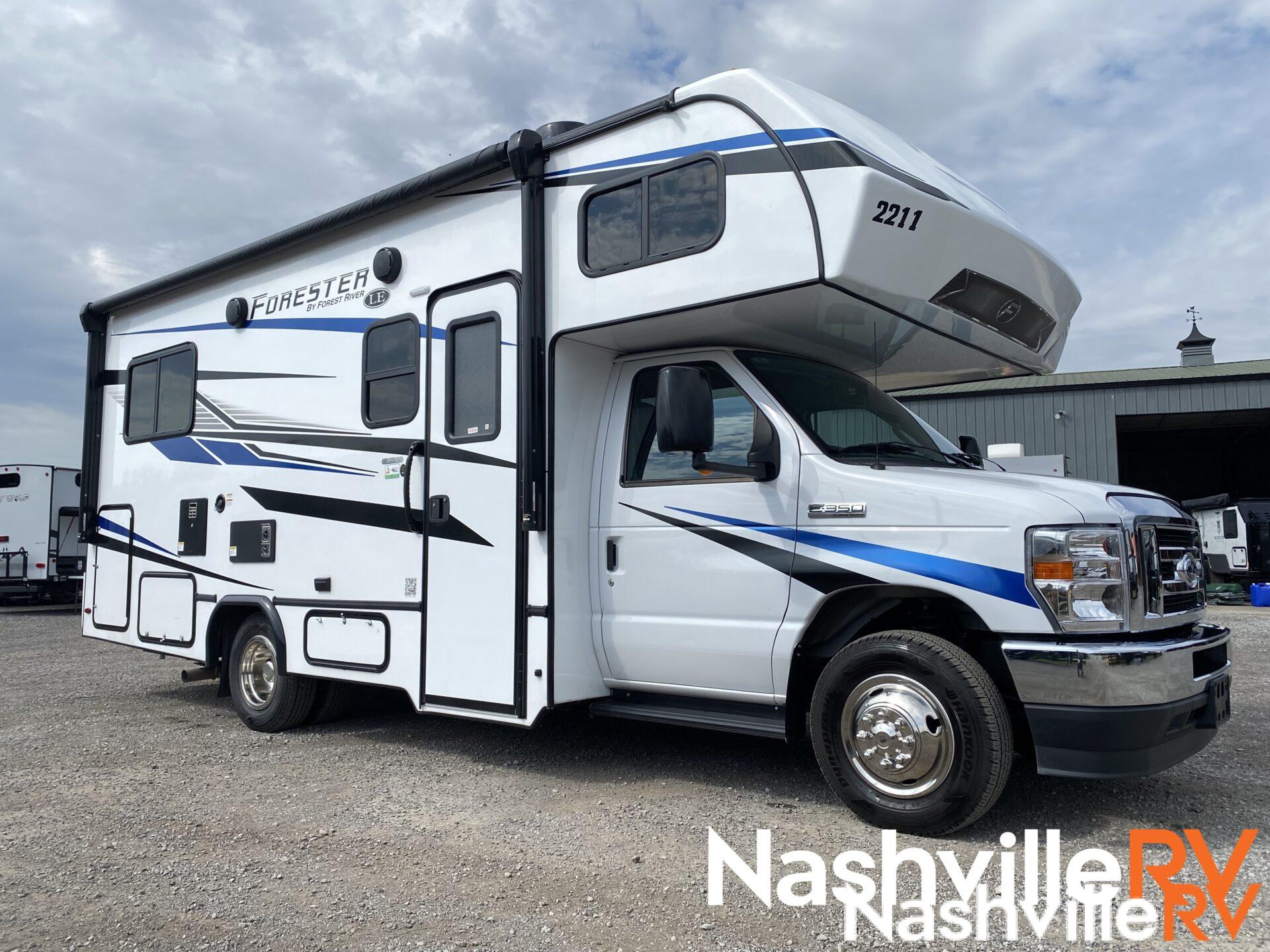
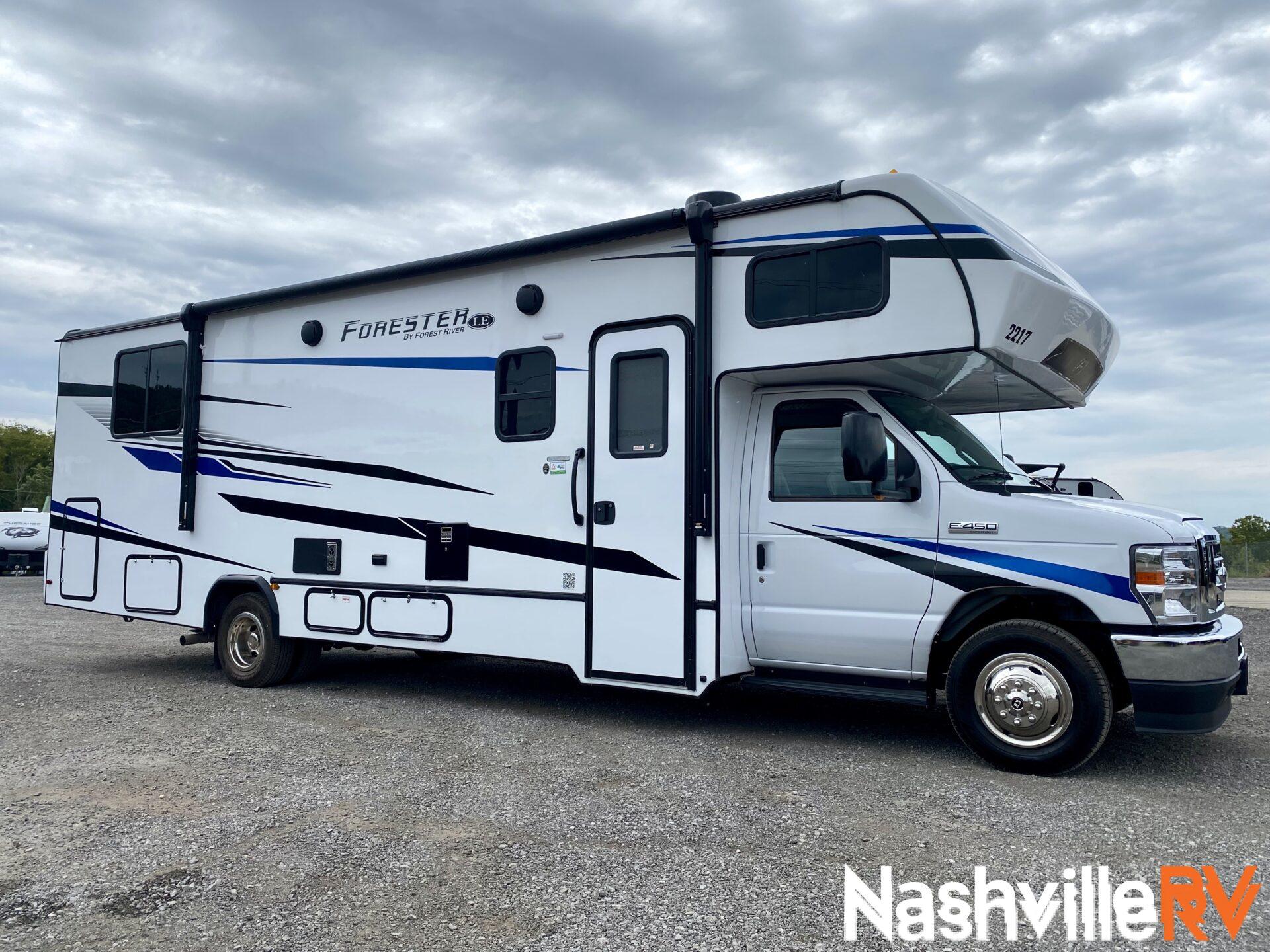
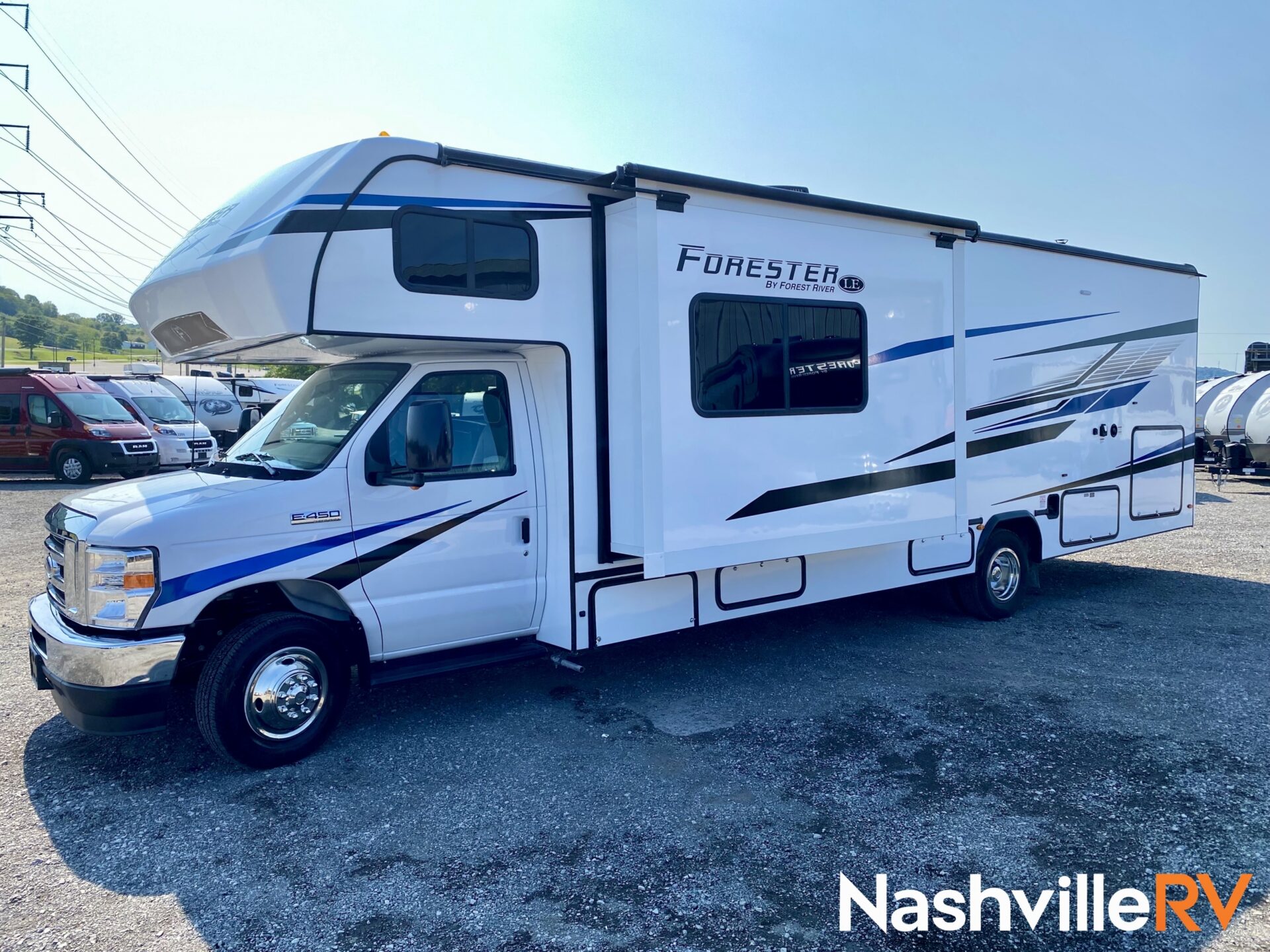
RV Types Curerntly Available to Rent:
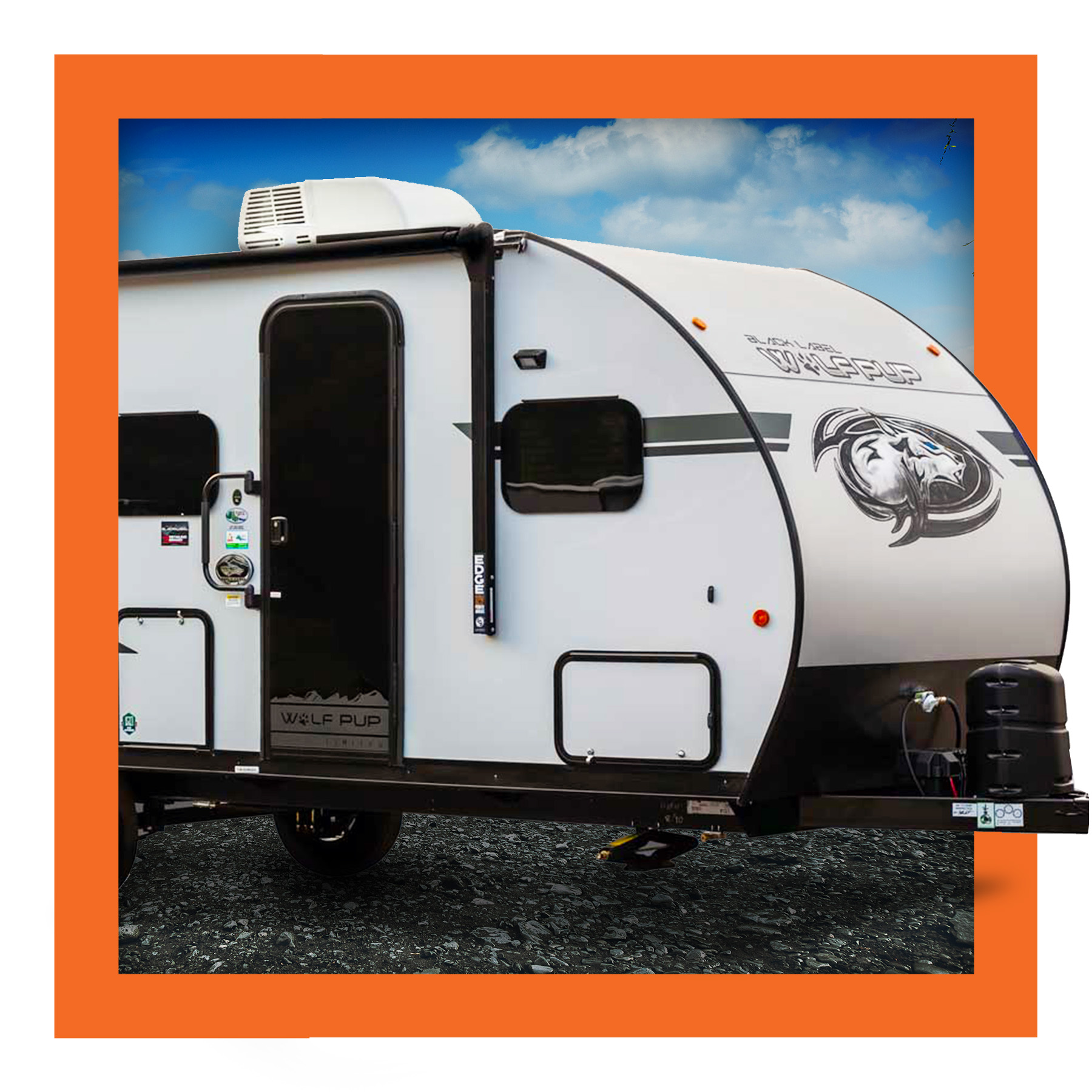
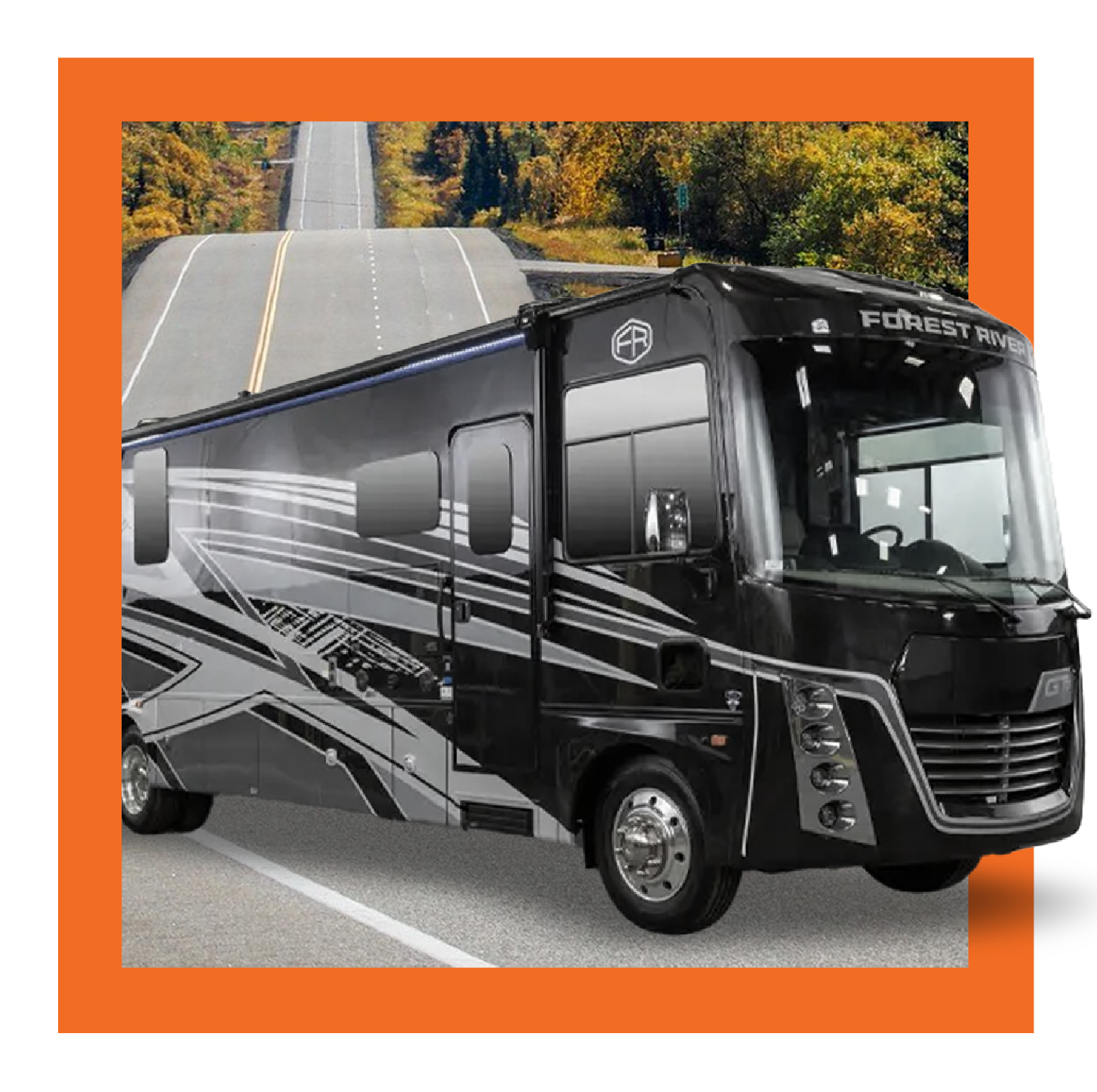
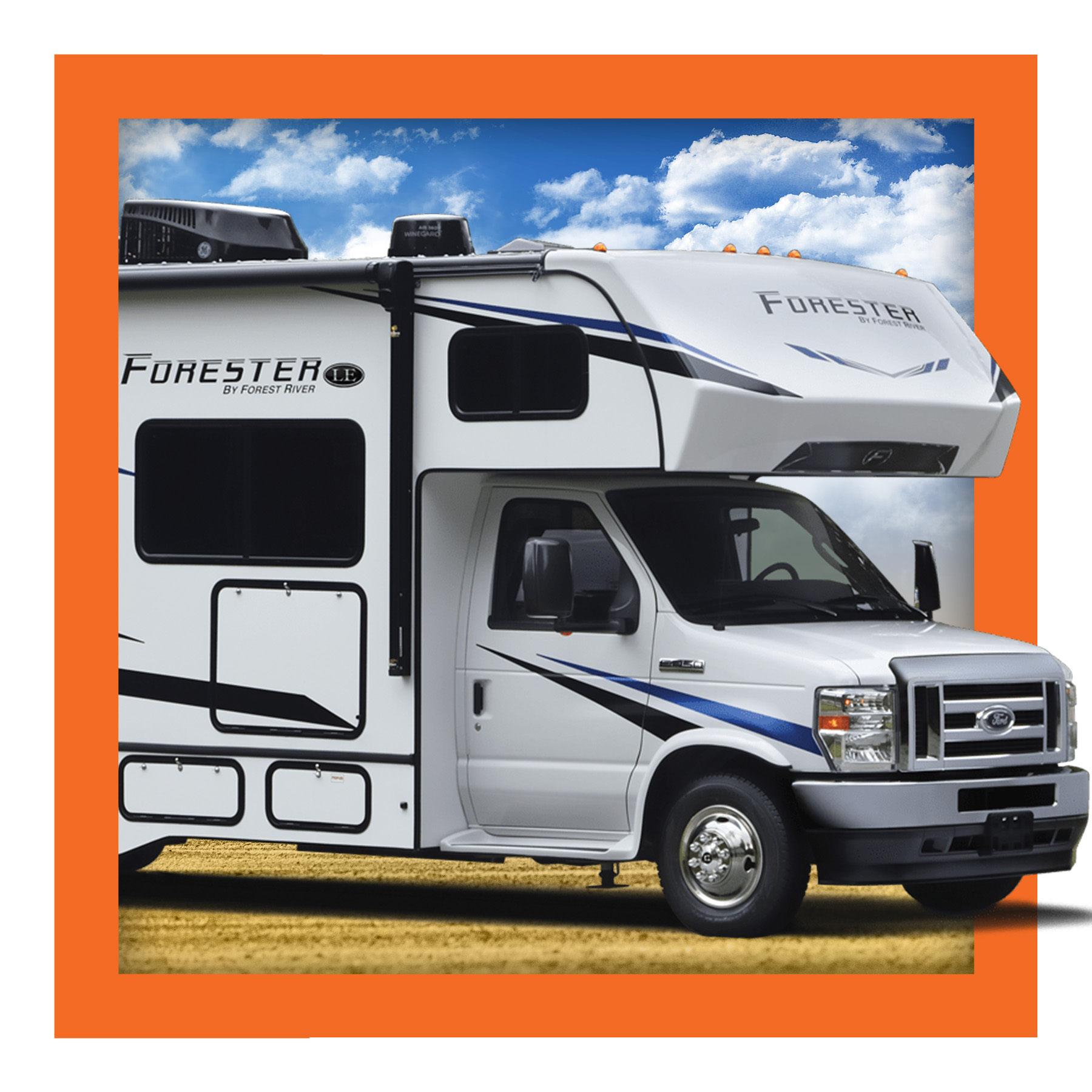
All of our RV Rental vehicles—motorhomes and travel trailers of all shapes and sizes—are kept immaculately clean and have been upgraded to offer every luxurious amenity available to them. Our team is ready and waiting to find you the best possible vehicle for your adventure… and your budget.