
Selecting the optimal RV floor plan is one of the most important decisions you’ll make before hitting the road. Your RV’s layout affects living comfort, storage, towing needs, and overall enjoyment. Below, discover key factors to consider—sleeping arrangements, kitchen and bathroom design, storage requirements, and towing constraints—so you can find the perfect floor plan for your Tennessee adventures.
1. Determine Your Sleeping & Living Needs
Start by outlining who will travel with you and how often:
Sleeping Capacity
- Couples: A rear master bedroom with a queen or king bed offers privacy and comfort. If you camp solo or as a couple, look for models that maximize living space instead of multiple bunks.
- Families: Bunkhouse layouts are a favorite. These floor plans include stacked bunks or a dedicated bunk room, keeping kids comfortable while preserving the main bedroom for parents. For inspiration on family-friendly RV activities, see Nashville’s Top 10 Family-Friendly RV Activities.
- Small Groups or Friends: Consider floor plans with convertible sofas, U-shaped dinettes, or drop-down overhead bunks in Class C models. These flexible configurations allow extra sleeping spots without sacrificing daytime space.
- Solo Travelers & Couples Who Entertain: Some layouts eliminate a traditional bedroom in favor of a spacious living area—ideal if you’re hitting music festivals in Nashville or tailgating at Titans games (see Nashville’s Best RV Tailgating Spots).
Living & Gathering Space
- Slide-Out Considerations: Floor plans with one or more slide-outs dramatically expand interior width when parked, creating larger living or dining areas. If you value open space for socializing, choose a plan with at least one slide-out in the main living area.
- Open-Concept Layouts: Some travel trailers and fifth wheels feature combined kitchen/living areas without walls—great for entertaining or supervising kids while cooking.
- Separate Living Rooms: Luxury Class A motorhomes often include a front living area and a rear bedroom, keeping living and sleeping zones distinct. If you frequently host guests or need dedicated workspace, this separation can be beneficial.
2. Evaluate Kitchen & Dining Preferences
Your onboard kitchen should meet your meal-planning style, whether casual snacks or gourmet dinners.
Kitchen Layout Types
- Galley-Style Kitchens: These run along one or both sidewalls, similar to a boat’s galley. They’re efficient for maneuvering in tight spaces but offer limited counter space. Ideal for minimalist chefs or couples who don’t cook elaborate meals.
- Island Kitchens: Found mostly in larger fifth wheels or Class A’s—features a freestanding island with sink or prep area. These provide ample counter space and storage but add weight and length. Consider this if your tow vehicle can handle extra heft and you value a full-size kitchen vibe.
- L-Shaped & U-Shaped Designs: These layouts wrap around a corner, offering more countertop area than a straight galley. U-shaped kitchens typically include more cabinets and a residential-style sink, perfect for families or anyone who cooks frequently.
Dining Configurations
- Dinette Booths: Standard in most trailers—convert to a bed when needed. Provides comfortable seating for four but can feel cramped for larger groups.
- Theater Seating & Sofas: Found in higher-end models—reclining chairs or sofas face an entertainment center. If you prioritize relaxation over formal dining, this may suit you better.
- Free-Standing Tables & Chairs: Some floor plans include a removable dining table and chairs instead of a built-in booth. These give a homier feel and can be moved or stored when extra floor space is needed.
3. Bathroom Layout & Location
Consider comfort and convenience—especially for families or multi-person trips.
Bathroom Types
- Full Bath (Separate Shower & Toilet): Common in larger fifth wheels and Class A/C—features a separate shower stall (sometimes a corner-radius or neo-angle design) and a private toilet room. Ideal for privacy and quicker morning routines.
- Wet Bath: Found in many Class C motorhomes and smaller travel trailers—shower, sink, and toilet share one space. Saves square footage but can feel cramped, especially for taller individuals or families.
- Split Bath: Divides toilet and sink/shower into separate compartments—allowing two people to use facilities simultaneously. Great for couples or busy families.
Bathroom Location
- Central Bath: Located midship, typically between the kitchen and bedroom. Offers easier access for guests or kids at a bunkhouse, but reduces living/kitchen footprint.
- Rear Bath: Placed at the back—found in many bunkhouse or toy hauler layouts. This location maximizes living space up front but may require walking through the sleeping area to access.
- Front Bath: Common in some Class C models, near the driver area. Convenient for quick stops without disturbing sleeping areas, but may reduce bedroom storage.
4. Assess Storage & Closet Space
On extended trips, storage becomes critical. Think beyond overhead cabinets.
Clothing Storage
- Wardrobes & Closets: A spacious wardrobe near the master bedroom is a must if you pack seasonal clothing. Sliding mirrored doors add functionality without taking extra space.
- Dressers & Drawers: Some luxury floor plans include built-in dressers—handy for folded items and undergarments. If you travel with kids, extra drawers reduce clutter in small bunks.
Pantry & Kitchen Storage
- Pantry Closets: Tall, narrow pantries can accommodate canned goods, snacks, and dry ingredients. Look for adjustable shelves so you can stash taller bottles or cereal boxes.
- Overhead Cabinets: Check depth—many OEM cabinets are only 12–14 inches front-to-back, limiting large bowls or bulky gear. Consider floor plans with deeper, dual-layer cabinets or slide-out trays.
- Under-Sink Storage: Some layouts include pull-out trays beneath the sink—convenient for cleaning supplies. If organization is a priority, scout for these extras.
Exterior Storage
- Pass-Through Storage: On travel trailers and fifth wheels, large pass-through compartments allow storage of folding chairs, leveling blocks, and grill accessories. Verify access on both sides to maximize flexibility.
- Basement Storage: In Class A and Class C motorhomes, secure basement compartments can hold sporting equipment or additional supplies. Look for lockable latches and weatherproof seals to protect valuables from rain or dust.
- Garage Bays & Toy Hauler Space: If you plan to bring ATVs, bikes, or kayaks, a toy hauler’s rear garage with tie-down rings is essential. Some garages even convert into additional living or sleeping areas—perfect for off-grid adventures (see Toy Hauler Vacation Ideas: Nashville to Kentucky Lake).
5. Consider Towing & Driving Constraints
Your tow vehicle’s capabilities and preferred driving style influence floor plan selection.
Towing Capacity & Hitch Types
- Bumper Pull vs. Fifth Wheel: Travel trailers under 8,000 lbs (dry weight) typically work with a ½-ton truck. Fifth wheels require a bed-mounted hitch and a ¾- or 1-ton truck for safe towing. Confirm your truck’s gross combined weight rating (GCWR) before signing on.
- Payload & Tongue Weight: Heavy slide-outs, full propane tanks, and water-filled fresh tanks add to hitch weight. If you tow a travel trailer with multiple slide-outs, verify your hitch and springs can handle the load without bottoming out (refer to our RV Rental Checklist for First-Time Renters for hitch tips).
Length & Manoeuvrability
- Overall Length: Longer rigs (30+ feet) offer spacious floor plans but require wider campsites and more clearance when backing in. If you prefer tucked-away back roads, a mid-length (20–25 feet) travel trailer or Class C might be a better fit.
- Turn Radius & Parking: Class A motorhomes with multiple axles demand more space for turns. Class C and travel trailers generally navigate tighter sites. If you plan to visit small campgrounds in East Tennessee or the Smokies, test-drive a similar length unit.
6. Factor in Budget & Value
Luxury features add weight, cost, and complexity. Weigh must-haves versus nice-to-haves:
Entry-Level vs. Luxury Floor Plans
- Basic Layouts: Simple, no-slide travel trailers cost less upfront and usually weigh under 7,000 lbs—perfect for budget-conscious buyers who want easy towability.
- Mid-Range Models: Include one or two slide-outs, a separate bedroom, and a full bathroom. These often strike the best balance between cost, comfort, and towing requirements.
- High-End Furnishings: Leather seating, residential appliances, and premium solid-surface countertops drive up price and weight. Make sure these extras align with how often you’ll use them—luxury features might be overkill for occasional weekend trips.
Resale Value & Depreciation
- Popular Floor Plans Hold Value: Bunkhouse travel trailers and toy haulers tend to retain resale value better because of high demand from families and adventure enthusiasts.
- Customization Impacts Value: Heavy customizations (custom vinyl wraps, specialized cabinetry) can hurt resale value outside of a niche market. If you plan to sell within a few years, prioritize standard, widely sought-after layouts.
7. Visit Dealerships & Model Shows
Photos only tell part of the story. Get hands-on before deciding:
- Walk-Through Multiple Models: Sit on the sofa, open cabinet doors, and test slide-out mechanisms. Pay attention to ceiling height—taller users may need extra headroom.
- Recreate Your Daily Routine: Practice making coffee, using the bathroom, and moving between areas with belongings in place. This helps you identify pinch points or awkward configurations.
- Ask About Upgrades: Some floor plans allow you to add features like a dual awning, solar prep, or upgraded insulation. Understanding available options helps you customize your purchase without overpaying.
8. Link to Related Resources
For more on RV maintenance, see Summer RV Maintenance Checklist: Keep Your RV Running. If you plan to camp with your pet, check Pet Friendly Campgrounds Around Nashville.
Conclusion
Choosing the right RV floor plan comes down to balancing your travel style, group size, towing capacity, and budget. By clarifying sleeping arrangements, kitchen and bathroom needs, storage requirements, and driving preferences, you’ll narrow down floor plans that feel like home on wheels. Take time to tour multiple models, compare layouts, and consider resale value—then book your dream RV for Nashville adventures, Smoky Mountain getaways, or tailgating weekends. Ready to explore our inventory? Reserve your RV today and discover the perfect layout for your next journey!

NashvilleRV Rentals
Nashville’s Only Locally Owned RV Superstore.
Customer Reviews







He was great and treated us wonderful
Great experience






Point of advice for future renters: you are not reimbursed for any unused mileage on the rental. I made the mistake of over-estimating the mileage to mitigate any mileage charge on the return; however, I quickly learned that was not the case. Money down the drain for proactive thinking. Next time, I’ll only use the provided mileage estimate cost, and incur the exact additional cost in the return. Even with this lesson learned, I will still use them for future needs!


We decided we didn’t need to keep looking
His knowledge of the RVs and how they work for us new time renters made us feel so secure and have peace of mind .
Thanks Beau we can’t wait to start this journey.
Marjorie and Ron





Special thanks to Beau for the great attention and help throughout our visit. Highly recommend!



The staff, specifically Bo, were ready on standby for any questions or hiccups we encountered with the RV during our trip, and his kindness extended thru to the exact moment we returned the RV. These people genuinely want you to have the best time you can in their vehicles. Highly recommended!


We give him 5+ stars!













Vickie

Finance guy, Brian is a pleasure to work with. He cuts to the chase and doesn’t try to sell you more than you need!
Serviceman, Nate is simply the best!
Everyone else that we came into contact with during our visits to Nashville RV are super friendly!
Overall, great experience from start to finish…except the heat! 🙃
It has already been dog approved!
























Thank you, Tim & Sheri from Wyoming











Garrett was very thorough when explaining the ins and outs of the RV and how to make sure all fours tires stay in contact with roads.
Would definitely recommend going through Garrett if you are considering renting an RV.

He was patient and understanding while we fumbled through the process, but ultimately was a professional about the whole experience. Bottom line, I wanna party with this guy…. And rent my RV’s from him


We highly recommend Nashville RV, and plan to use them again in the future.


Morgan and Kay Cairns
Bon Aqua TN


Everything about our experience with them was 5 star + and we highly recommend them to anyone who is looking to rent an RV. We will definitely rent from Nashville RV again.
Richard and Renee Childers






Unit was clean, gassed up, tanks filled, ready to go. All required cords, hoses, etc were provided. Everything worked well and well maintained. Great rental experience. Thanks!

Sales Rep meets me on parking area. Calls a service representative from their other building. He begins to check it out. Another service rep joins him. Diagnose the problem. Gets us on the road. AND won't take a dime for jacking our right rear jack back up fully to the necessary place. Week retraction springs.
Highly recommend for their friendly fast knowledgeable service.

we pulled into this business, a service representative immediately came to our motorhome to find out our needs. Eventually there were three servicemen working to get us back on the road. EXTREMELY friendly and knowledgeable. Thank you. I would highly recommend Nashville RV in
Franklin.

The motor home was outfitted with everything we could have possibly needed. Easy to drive. Easy to set up. Highly recommended!
Garrett & Brad showed us everything we needed to know. Checking Out & Checking In took no time at all. The team had everything waiting for us with levels all topped off and full instructions on use. We had 24/7 access to a technician if needed. OUTSTANDING!!

Garrett and Brad were outstanding during the entire process from sharing options for rentals and prices, demonstrating the use of the vehicles, and following up on the overall experience.
My family and I were thrilled to make fun-filled memories using Nashville RV Rentals!



Highly recommend them, and renting an RV first if you’re considering ownership, especially if you’re newbies like we were. It really helps to show what you like and dislike so you can make a decision that’s right for you.
Brad and Garrett were awesome - go see them before you go on your RV Adventure!


Motivates me to run my business better!
RV’s were competitively priced too and basically brand new.
Look no further.




Even went home and returned with the wife to look around. No pressure and no sales pitches. We will definitely be back.



Also, Brad in the rental department is just as courteous and easy to deal with!
I won't be going anywhere else for a camper from here on.





They even have folks that will set up your rig at the campsite. We've used them close to a dozen times. They have earned our continued business. Wish I could give them six stars. Make sure you talk to them before you rent anywhere else.

I highly recommend phoning them if you are considering an RV trip!



They went over everything needed (and more) for our smokey mountain long weekend. All was easy from pick up to drop off. They actually answer phone during off hours! Huge plus on service. We'll be back for sure!


There is a reason they continue to have rave reviews online.
Thanks again and happy RVing!



For any other first-timers: the orientation is adequate, but brief. I'd encourage you to view YouTube tutorials as well before showing up for your rental and/or just filming the key parts of the orientation, as the manual is pretty slim. But, assuming those precautions, Nashville RV is a full-service, one-stop shop to get you safely on the open road--especially first-timers.




Garrett was very helpful and was even able to get us a one day extension to enjoy our trip. This place is top notch. We will definitely be back for our next RV rental. A heads up that this place is a little more expensive than somewhere like Cruise America but I feel like you get better service, a better RV and better coverage so it is worth it.



RV Rental Resources:
Trailers & Motorhomes for Every Occasion
Discover thrilling gaming adventures with enticing bonuses, immersive slots, and live dealers at casinos not on gamstop, ensuring endless entertainment and opportunities to win bi.
Explore the thrill of online gambling with enticing bonuses and exciting live dealer games at casinos not on gamstop, where your gaming experience knows no boundaries.
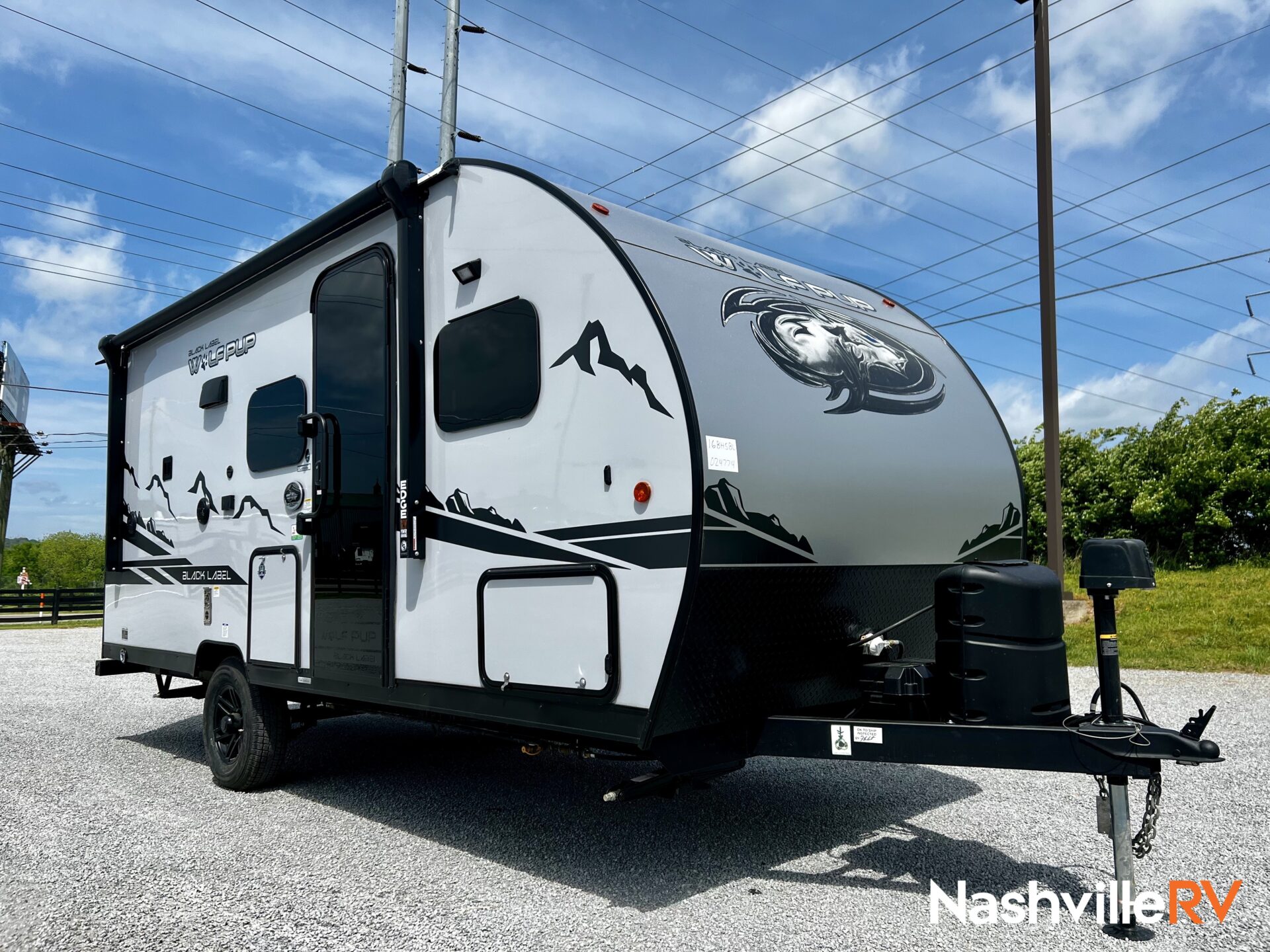
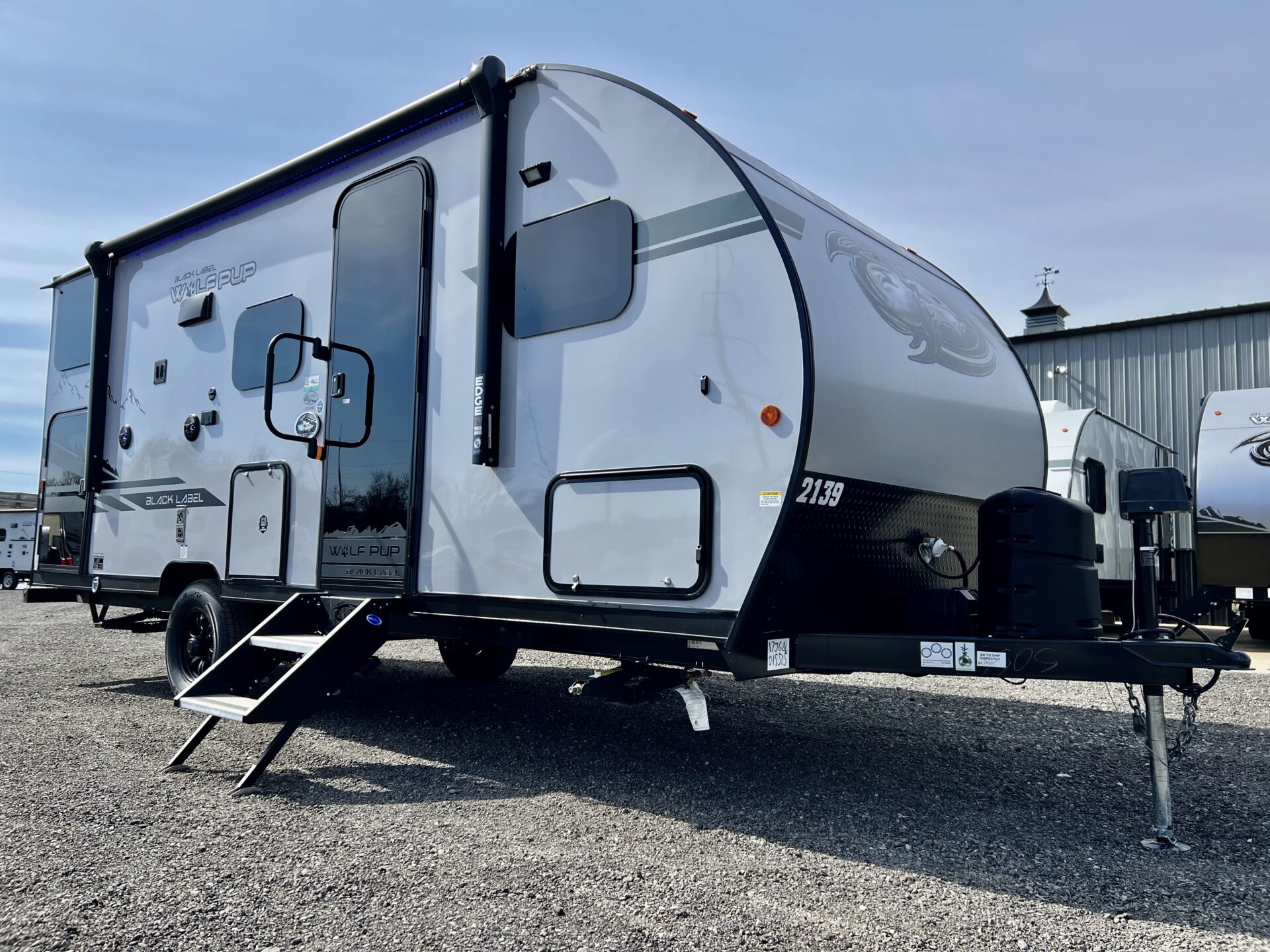
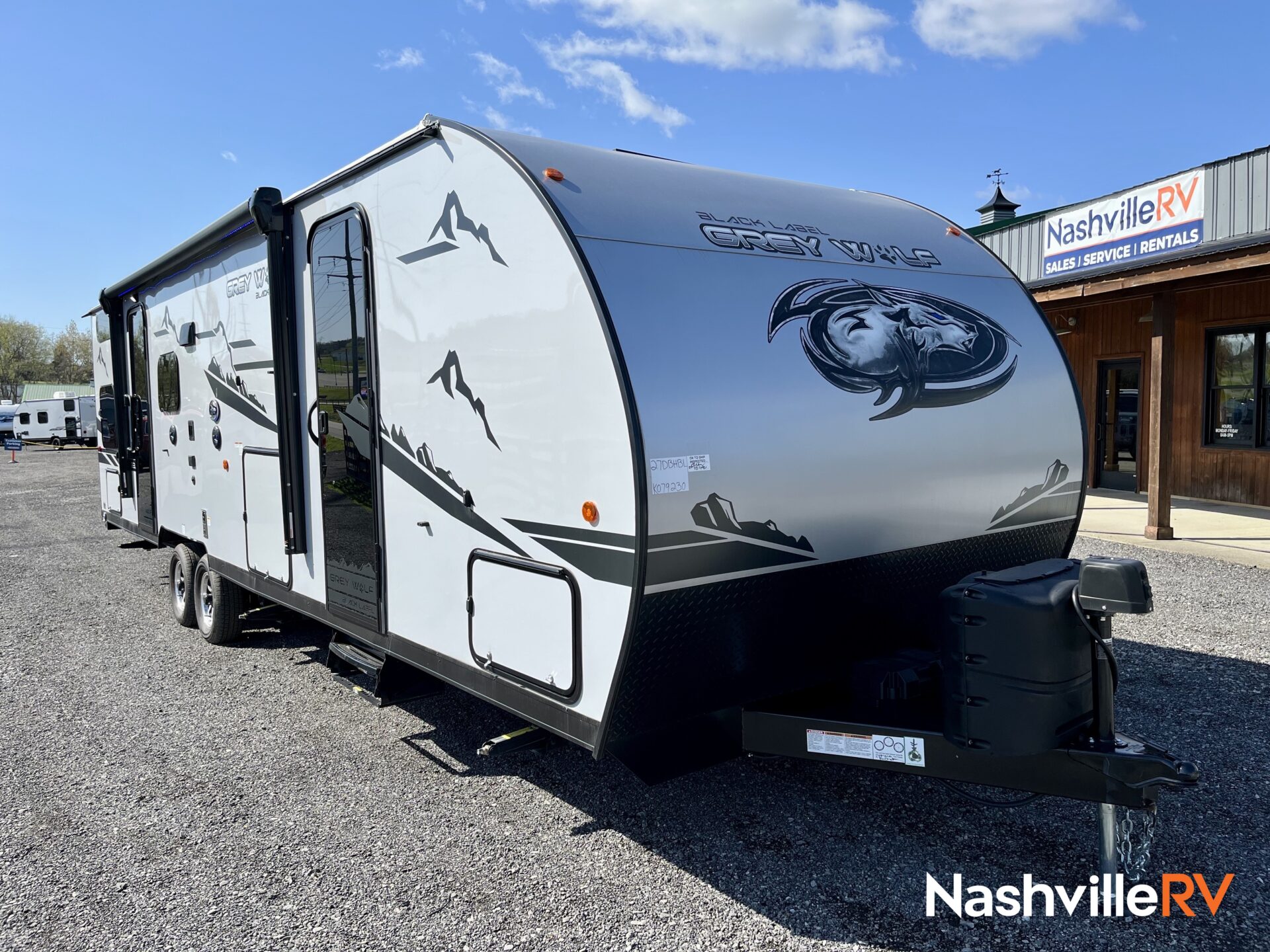
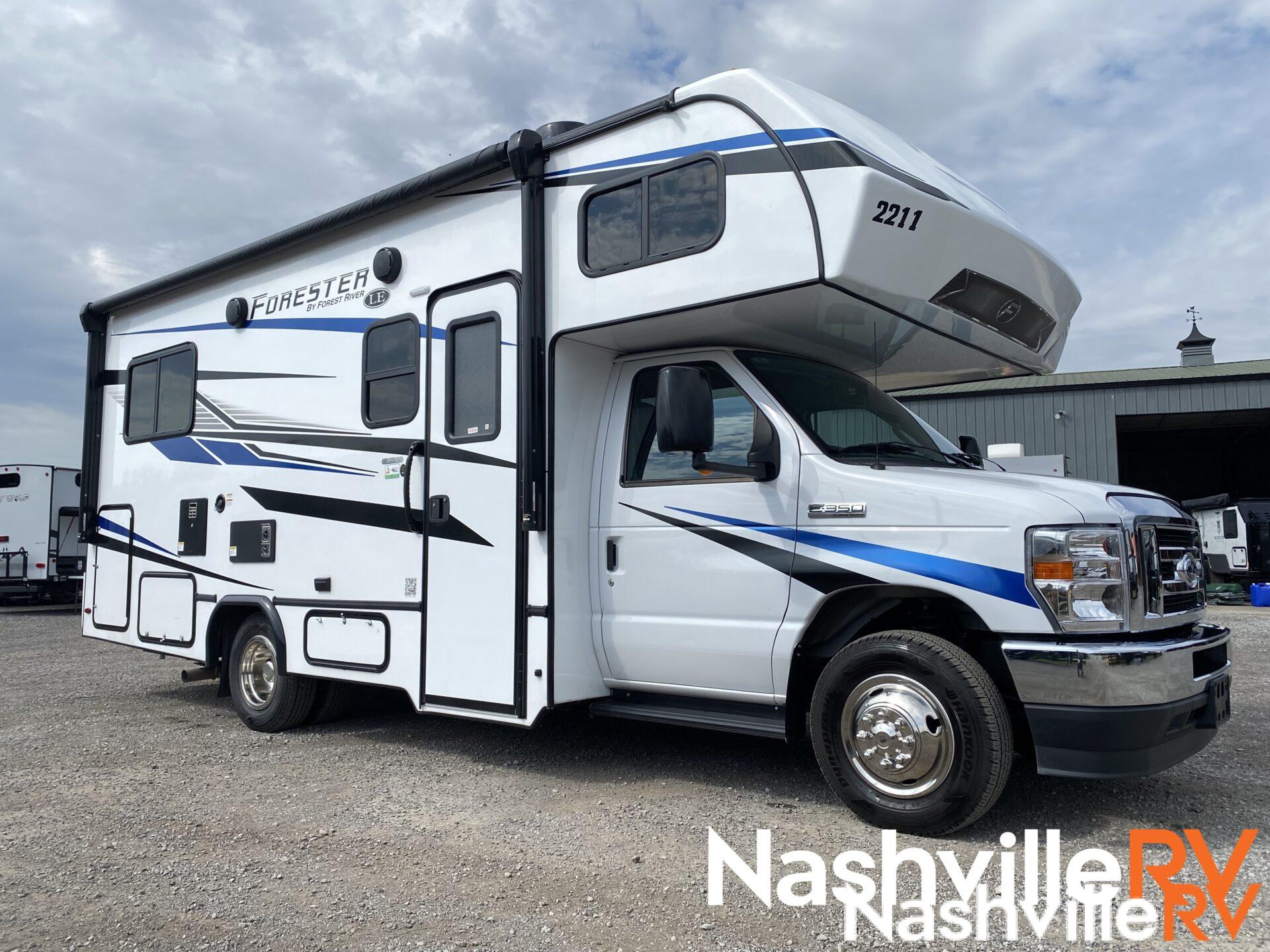
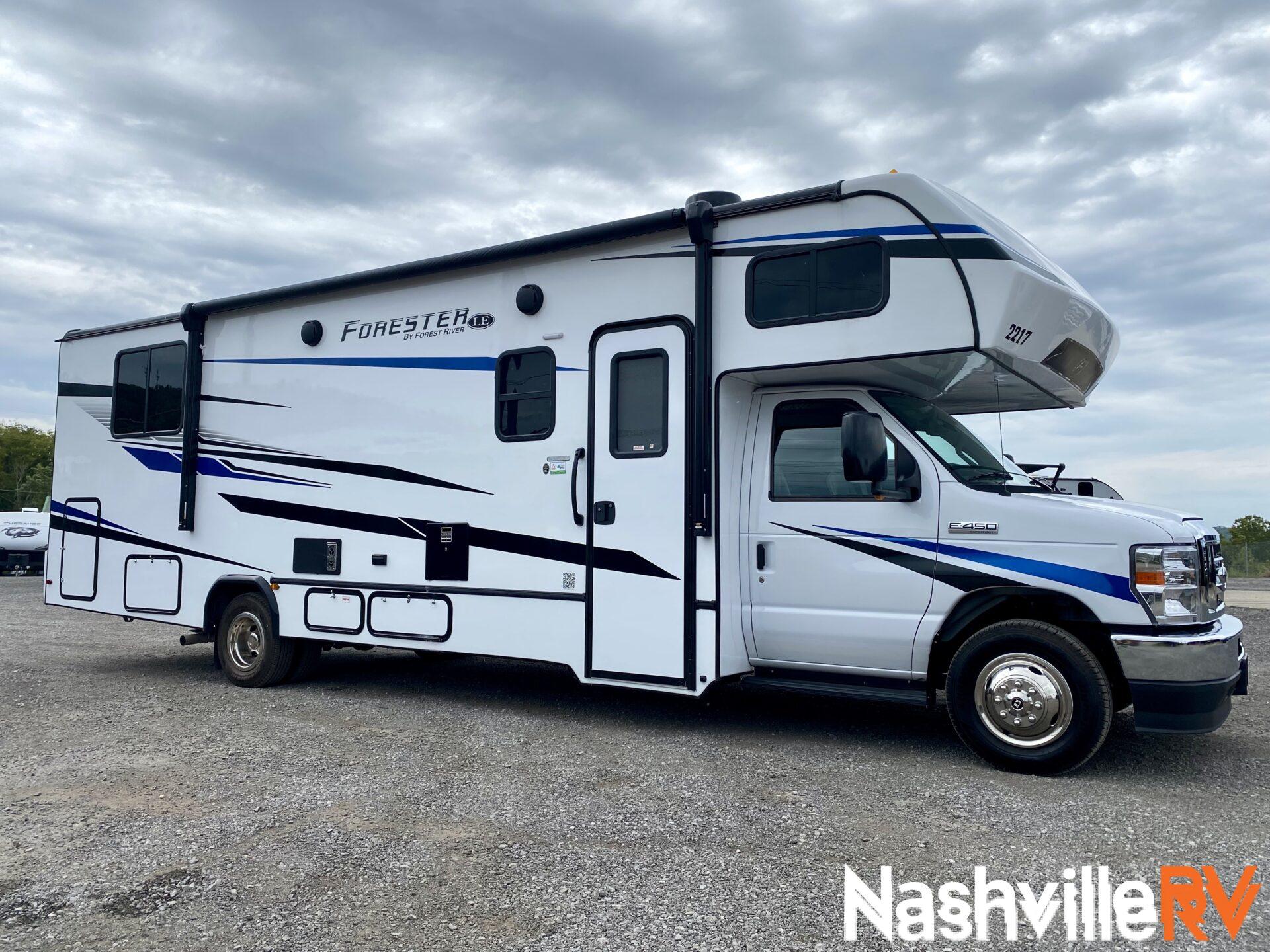
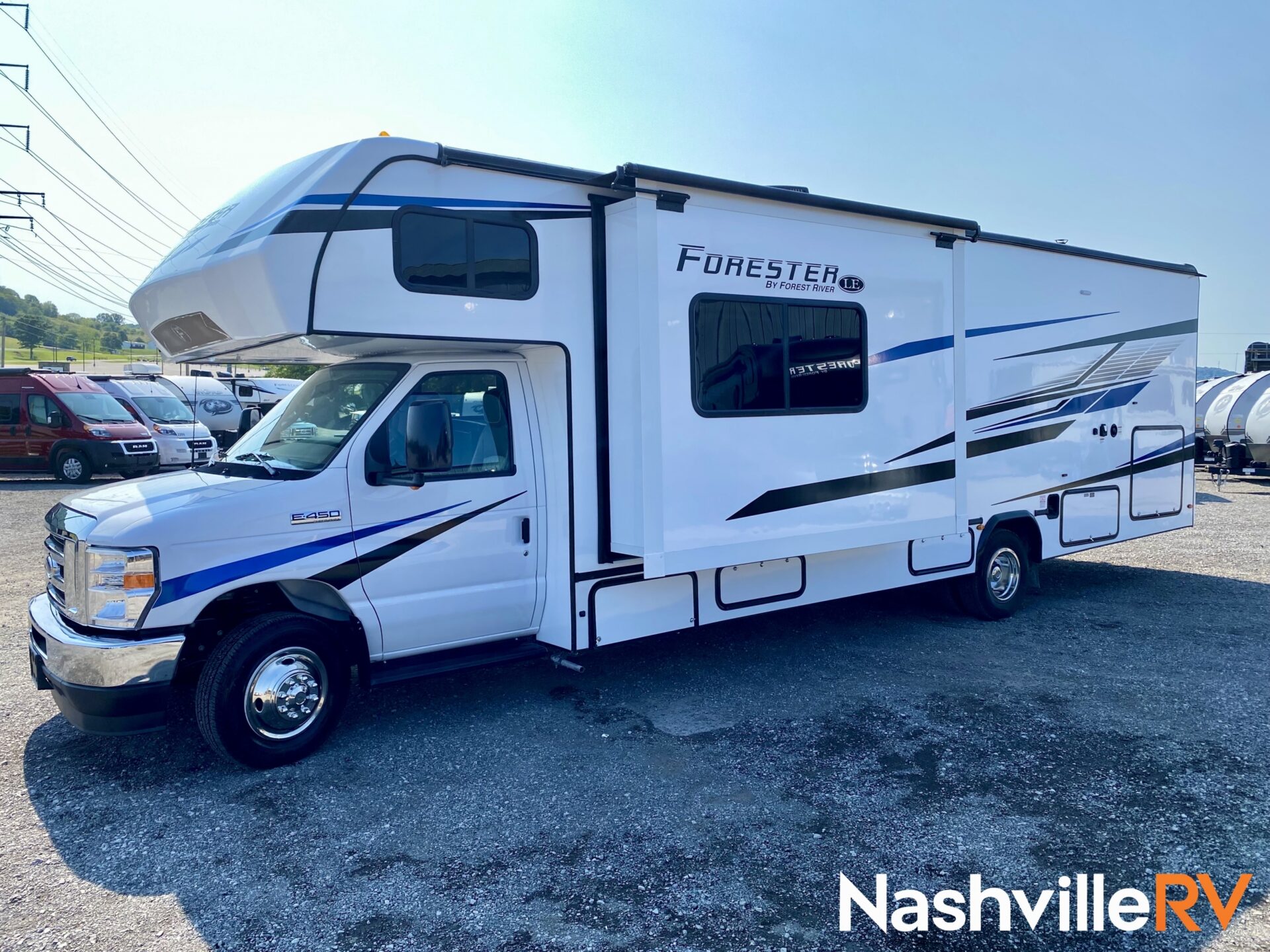
RV Types Curerntly Available to Rent:
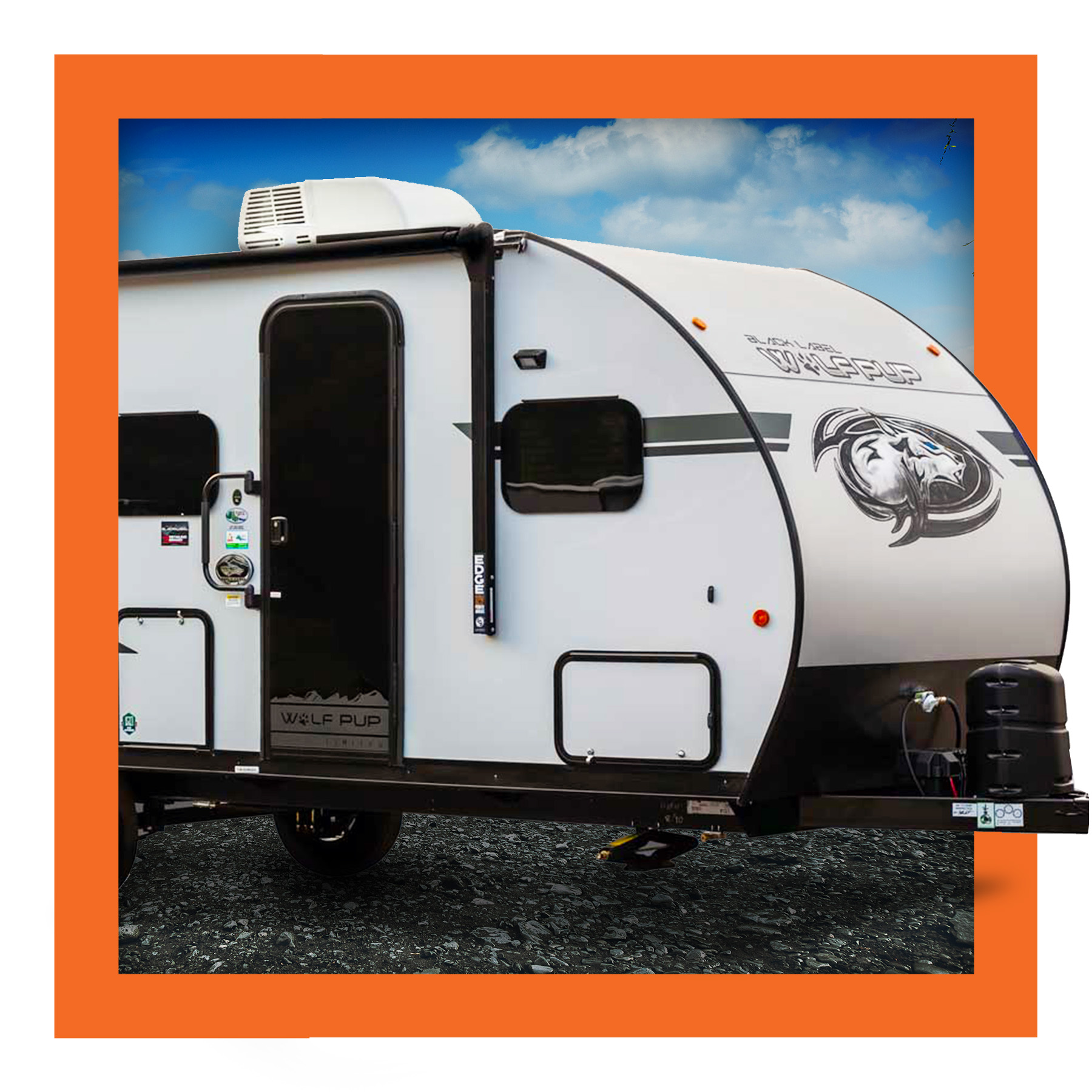
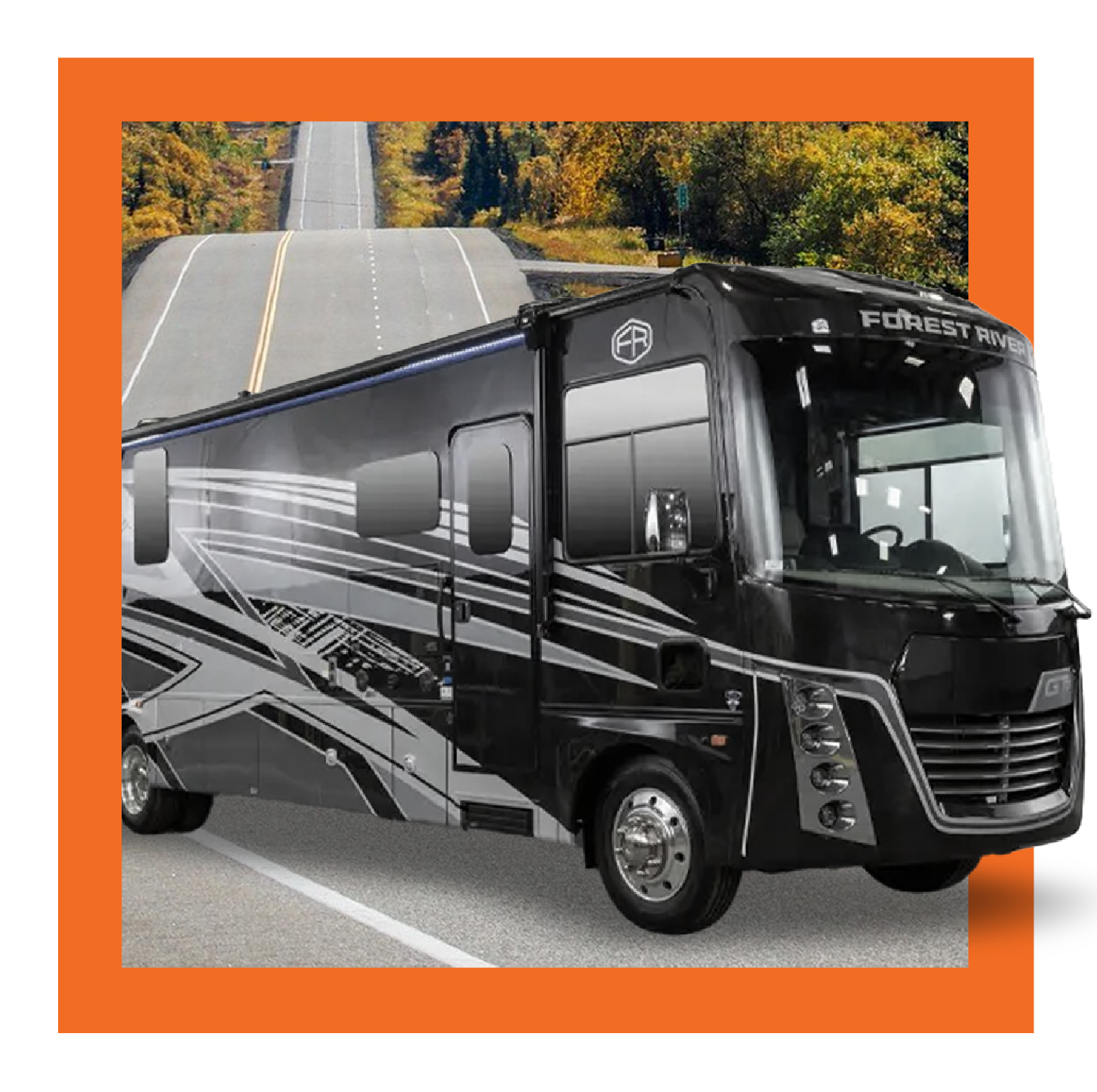
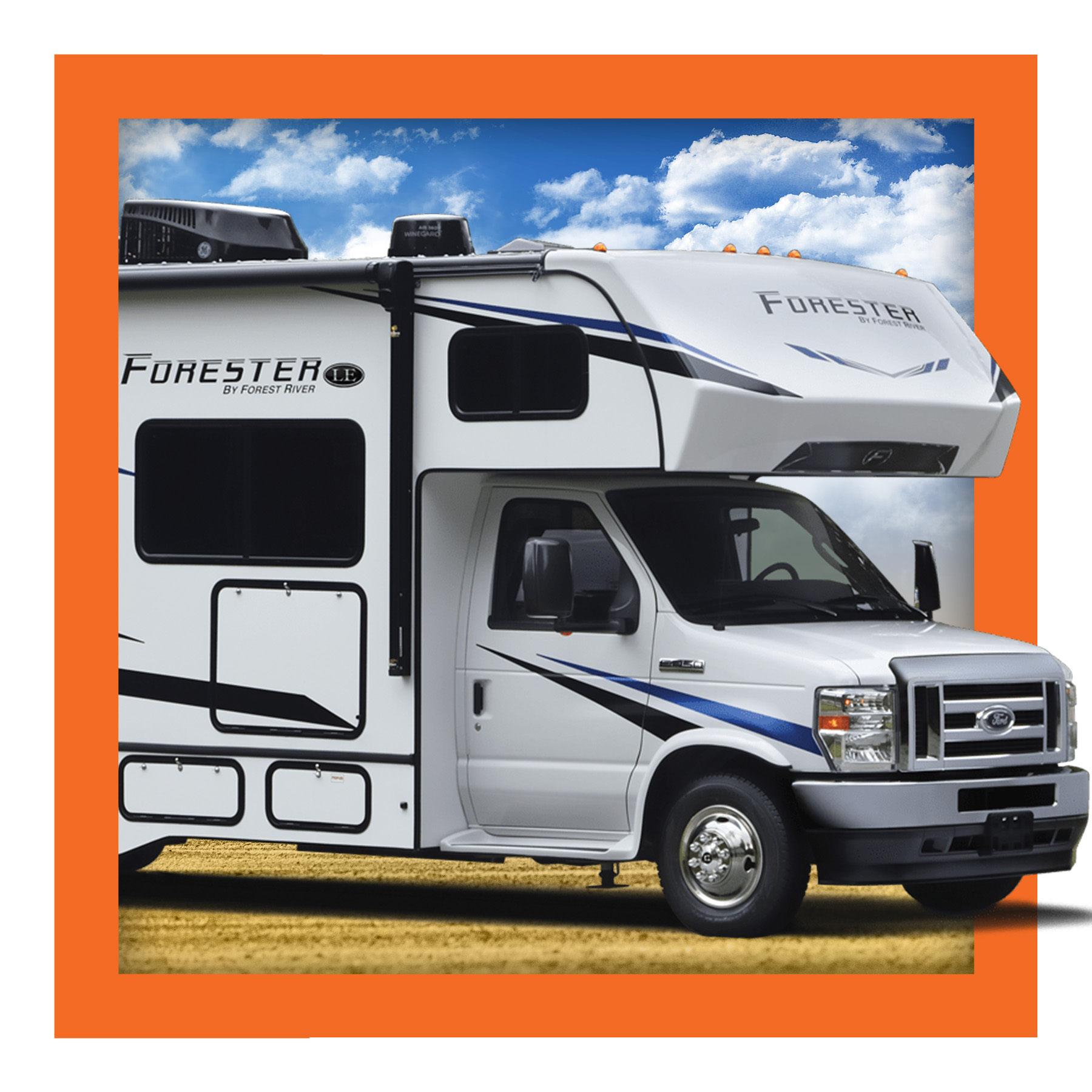
All of our RV Rental vehicles—motorhomes and travel trailers of all shapes and sizes—are kept immaculately clean and have been upgraded to offer every luxurious amenity available to them. Our team is ready and waiting to find you the best possible vehicle for your adventure… and your budget.