
Filing an insurance claim for RV damage can feel daunting, but understanding the steps and gathering the right documentation makes the process smooth. Whether you’re renting a toy hauler for a weekend getaway or a Class A motorhome for an extended trip, knowing how to navigate insurance requirements ensures peace of mind. Below is a comprehensive guide to filing RV damage claims during your rental period.
Review Your Rental Agreement & Insurance Requirements
Before you hit the road, carefully read the rental agreement’s insurance section. Most rental companies in Nashville require:
- Proof of Liability Insurance: Your personal auto policy must include “rental vehicle coverage” or you need to purchase the rental company’s insurance add-on.
- Comprehensive & Collision Coverage: Covers damage from accidents, theft, and non-collision events (e.g., hail, vandalism).
- Deductible Information: Note the deductible amount you’re responsible for if you file a claim (typically $500–$1,000).
- Loss of Use Fees: Covers income lost by the rental company while the unit is repaired—confirm if your policy includes a “loss of use” endorsement.
For clarification on insurance options, see our post RV Insurance Nashville TN: What You Need to Know.
Rental Company’s Insurance Add-On vs. Personal Policy
- Rental Company Coverage: Often packages liability, comprehensive, collision, and loss of use into one daily rate (around $20–$40 per day). Convenient but can be pricier.
- Personal Auto Policy: If you have “rental reimbursement” and “rental liability” on your personal policy, you may decline the rental company’s add-on, reducing out-of-pocket costs.
Documenting Damage Immediately
At the first sign of damage—whether from a collision, roadside incident, or storm-related debris—document everything:
- Photograph Evidence: Take clear, timestamped photos of all damage areas (exterior, interior). Capture wide shots and close-ups.
- Note Locations & Dates: Record the exact location (GPS coordinates if possible) and date/time of the incident.
- Gather Witness Info: If another driver or camper was involved, collect names, phone numbers, and insurance details.
- File a Police Report: For accidents or vandalism, most insurers require an official police report number. Contact local law enforcement immediately and note the report number.
Contacting Your Insurance Provider
Prompt communication with your insurer reduces claim delays. Follow these steps:
1. Call Your Agent
Explain you’re driving a rental RV and report the damage. Provide your policy number and the rental company’s name. Your agent will:
- Verify coverage limits and deductible amounts.
- Explain the claim process, including required documentation (photos, police report, repair estimates).
- Assign a claim number and adjuster.
2. Inform the Rental Company
Most rental agreements stipulate notifying the company within 24 hours of an incident. Provide:
- Photos of damage.
- Police report number (if applicable).
- Adjuster’s contact information.
The rental company may coordinate directly with your insurer for repair authorization and loss-of-use calculations.
3. File the Formal Claim
Submit all documentation to your insurer via their preferred method—online portal, email, or fax:
- Completed claim form (downloadable from the insurer’s website).
- Vehicle rental agreement highlighting required insurance sections.
- Proof of payment for any tow or emergency repairs.
Keep copies of every document and note the date you submitted each item. For additional guidance on RV damage prevention, review Summer RV Maintenance Checklist: Keep Your RV Running.
Working with the Insurance Adjuster
The adjuster assesses damage severity and cost estimates. To prepare:
- Be Present at Inspection: If the adjuster inspects in person, accompany them to point out all issues—roof leaks, dents, electrical problems, etc.
- Provide Repair Estimates: Obtain at least two independent repair quotes from licensed RV repair shops. Having multiple estimates can accelerate approval.
- Document Additional Costs: Track expenses like towing fees, rental extension costs, or alternative accommodation if repairs will keep the RV out of service for several days.
Understanding Loss of Use & Diminished Value
When your claim is approved, you may see additional line items beyond repair costs:
Loss of Use Fees
- Compensates the rental company for days the RV is out of service. The typical rate is the average daily rental fee.
- Your insurer may cap this based on a daily maximum—confirm whether your policy includes full “loss of use” coverage.
Diminished Value
- Represents the loss in resale value after repairs. Not all insurers honor diminished value claims—verify if your policy covers it.
- Some states require insurers to pay diminished value. Check Tennessee’s insurance regulations or consult a claims attorney if needed.
Repair & Settlement Process
Once your insurer approves, work with the rental company and chosen repair shop to schedule repairs. Follow these tips:
1. Choose an RV-Certified Repair Shop
- Look for RVIA-certified technicians experienced with toy haulers or motorhomes.
- Ask for a warranty on parts and labor—often, repair shops guarantee workmanship for 90 days.
2. Track Repair Timeline
- Estimate completion date; if repairs exceed your rental period, arrange for an RV extension or alternative accommodations.
- Keep communication open between the adjuster, repair shop, and rental company to avoid billing disputes.
3. Finalizing the Claim
- Review the repair invoice and adjuster’s settlement offer. Ensure all covered items (parts, labor, loss-of-use, towing) are included.
- Pay your deductible to the repair shop or rental company to finalize the repair invoice.
- Obtain a release letter from the insurer stating the claim is closed once payment is issued. Keep it for your records.
Common Pitfalls & How to Avoid Them
Avoid these mistakes to streamline your claim:
Delayed Reporting
- Waiting more than 24 hours to report damage can result in denied coverage—notify both insurer and rental company immediately.
Incomplete Documentation
- Failure to document all damage areas or lacking a police report (for accidents) can prolong the claims process.
- Take multiple angles of photos and video walkthroughs to capture both obvious and subtle damage.
Choosing Non-Certified Repair Shops
- Generic auto shops may lack RV-specific expertise—this can lead to inadequate repairs or voided warranties. Always opt for RV-certified technicians.
Additional Resources & Related Posts
For tips on maintaining your RV before damage occurs, explore Summer RV Maintenance Checklist: Keep Your RV Running. If you need guidance on selecting campgrounds with easy access to repair facilities, check out How to Choose the Best Campground Amenities.
Conclusion
While RV damage during a rental is never ideal, taking prompt action and following the steps outlined here makes the insurance process as painless as possible. Review your coverage before departing, document any incidents thoroughly, and stay in close communication with both your insurer and the rental company. With careful planning, you can focus on enjoying your toy hauler or motorhome adventure—knowing that you’re prepared for unexpected bumps in the road.
Ready to plan your next trip? Explore the Best RV Routes to Great Smoky Mountains From Nashville and hit the road with confidence!

NashvilleRV Rentals
Nashville’s Only Locally Owned RV Superstore.
Customer Reviews







He was great and treated us wonderful
Great experience






Point of advice for future renters: you are not reimbursed for any unused mileage on the rental. I made the mistake of over-estimating the mileage to mitigate any mileage charge on the return; however, I quickly learned that was not the case. Money down the drain for proactive thinking. Next time, I’ll only use the provided mileage estimate cost, and incur the exact additional cost in the return. Even with this lesson learned, I will still use them for future needs!


We decided we didn’t need to keep looking
His knowledge of the RVs and how they work for us new time renters made us feel so secure and have peace of mind .
Thanks Beau we can’t wait to start this journey.
Marjorie and Ron





Special thanks to Beau for the great attention and help throughout our visit. Highly recommend!



The staff, specifically Bo, were ready on standby for any questions or hiccups we encountered with the RV during our trip, and his kindness extended thru to the exact moment we returned the RV. These people genuinely want you to have the best time you can in their vehicles. Highly recommended!


We give him 5+ stars!













Vickie

Finance guy, Brian is a pleasure to work with. He cuts to the chase and doesn’t try to sell you more than you need!
Serviceman, Nate is simply the best!
Everyone else that we came into contact with during our visits to Nashville RV are super friendly!
Overall, great experience from start to finish…except the heat! 🙃
It has already been dog approved!
























Thank you, Tim & Sheri from Wyoming











Garrett was very thorough when explaining the ins and outs of the RV and how to make sure all fours tires stay in contact with roads.
Would definitely recommend going through Garrett if you are considering renting an RV.

He was patient and understanding while we fumbled through the process, but ultimately was a professional about the whole experience. Bottom line, I wanna party with this guy…. And rent my RV’s from him


We highly recommend Nashville RV, and plan to use them again in the future.


Morgan and Kay Cairns
Bon Aqua TN


Everything about our experience with them was 5 star + and we highly recommend them to anyone who is looking to rent an RV. We will definitely rent from Nashville RV again.
Richard and Renee Childers






Unit was clean, gassed up, tanks filled, ready to go. All required cords, hoses, etc were provided. Everything worked well and well maintained. Great rental experience. Thanks!

Sales Rep meets me on parking area. Calls a service representative from their other building. He begins to check it out. Another service rep joins him. Diagnose the problem. Gets us on the road. AND won't take a dime for jacking our right rear jack back up fully to the necessary place. Week retraction springs.
Highly recommend for their friendly fast knowledgeable service.

we pulled into this business, a service representative immediately came to our motorhome to find out our needs. Eventually there were three servicemen working to get us back on the road. EXTREMELY friendly and knowledgeable. Thank you. I would highly recommend Nashville RV in
Franklin.

The motor home was outfitted with everything we could have possibly needed. Easy to drive. Easy to set up. Highly recommended!
Garrett & Brad showed us everything we needed to know. Checking Out & Checking In took no time at all. The team had everything waiting for us with levels all topped off and full instructions on use. We had 24/7 access to a technician if needed. OUTSTANDING!!

Garrett and Brad were outstanding during the entire process from sharing options for rentals and prices, demonstrating the use of the vehicles, and following up on the overall experience.
My family and I were thrilled to make fun-filled memories using Nashville RV Rentals!



Highly recommend them, and renting an RV first if you’re considering ownership, especially if you’re newbies like we were. It really helps to show what you like and dislike so you can make a decision that’s right for you.
Brad and Garrett were awesome - go see them before you go on your RV Adventure!


Motivates me to run my business better!
RV’s were competitively priced too and basically brand new.
Look no further.




Even went home and returned with the wife to look around. No pressure and no sales pitches. We will definitely be back.



Also, Brad in the rental department is just as courteous and easy to deal with!
I won't be going anywhere else for a camper from here on.





They even have folks that will set up your rig at the campsite. We've used them close to a dozen times. They have earned our continued business. Wish I could give them six stars. Make sure you talk to them before you rent anywhere else.

I highly recommend phoning them if you are considering an RV trip!



They went over everything needed (and more) for our smokey mountain long weekend. All was easy from pick up to drop off. They actually answer phone during off hours! Huge plus on service. We'll be back for sure!


There is a reason they continue to have rave reviews online.
Thanks again and happy RVing!



For any other first-timers: the orientation is adequate, but brief. I'd encourage you to view YouTube tutorials as well before showing up for your rental and/or just filming the key parts of the orientation, as the manual is pretty slim. But, assuming those precautions, Nashville RV is a full-service, one-stop shop to get you safely on the open road--especially first-timers.




Garrett was very helpful and was even able to get us a one day extension to enjoy our trip. This place is top notch. We will definitely be back for our next RV rental. A heads up that this place is a little more expensive than somewhere like Cruise America but I feel like you get better service, a better RV and better coverage so it is worth it.



RV Rental Resources:
Trailers & Motorhomes for Every Occasion
Discover thrilling gaming adventures with enticing bonuses, immersive slots, and live dealers at casinos not on gamstop, ensuring endless entertainment and opportunities to win bi.
Explore the thrill of online gambling with enticing bonuses and exciting live dealer games at casinos not on gamstop, where your gaming experience knows no boundaries.
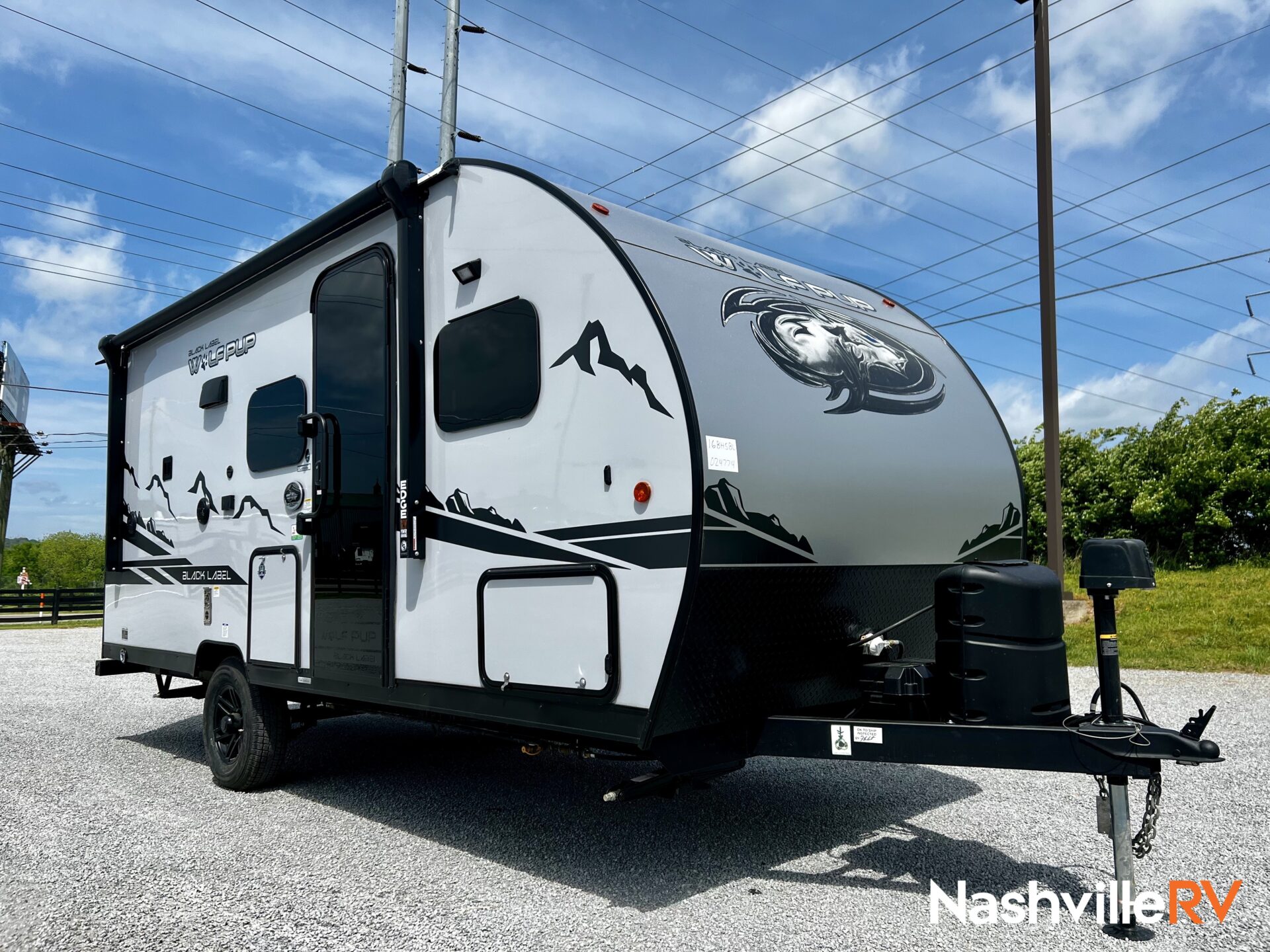
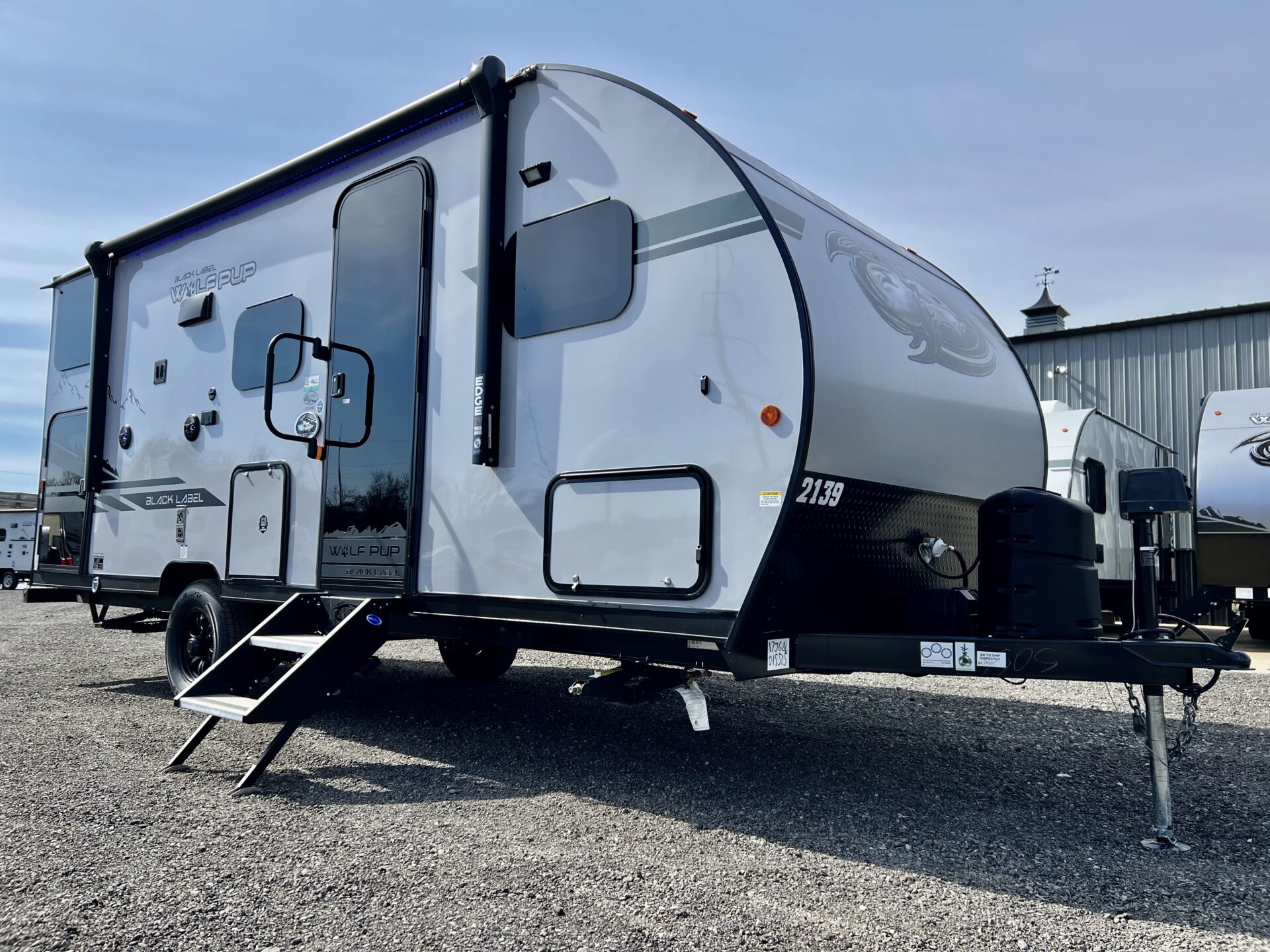
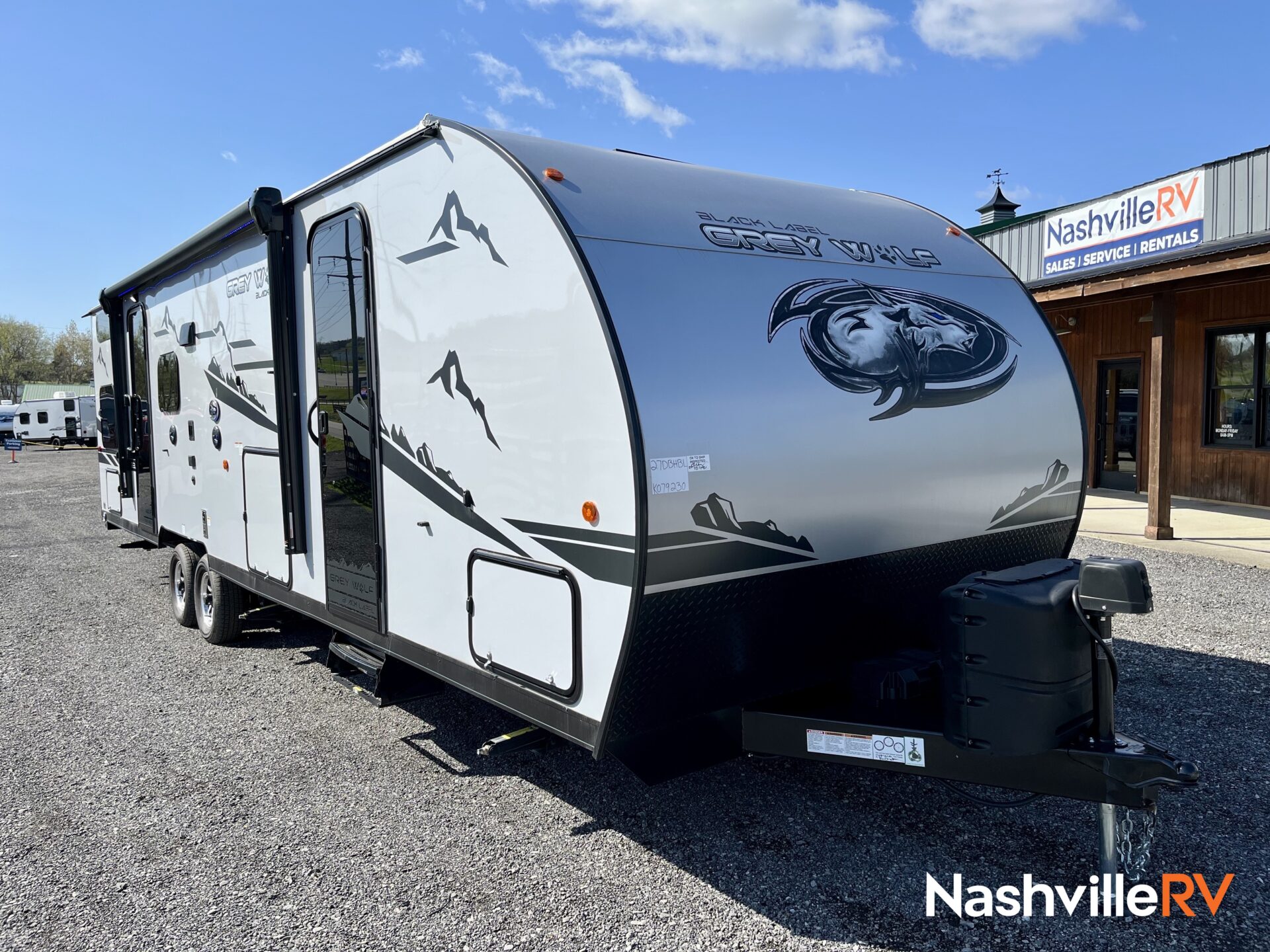
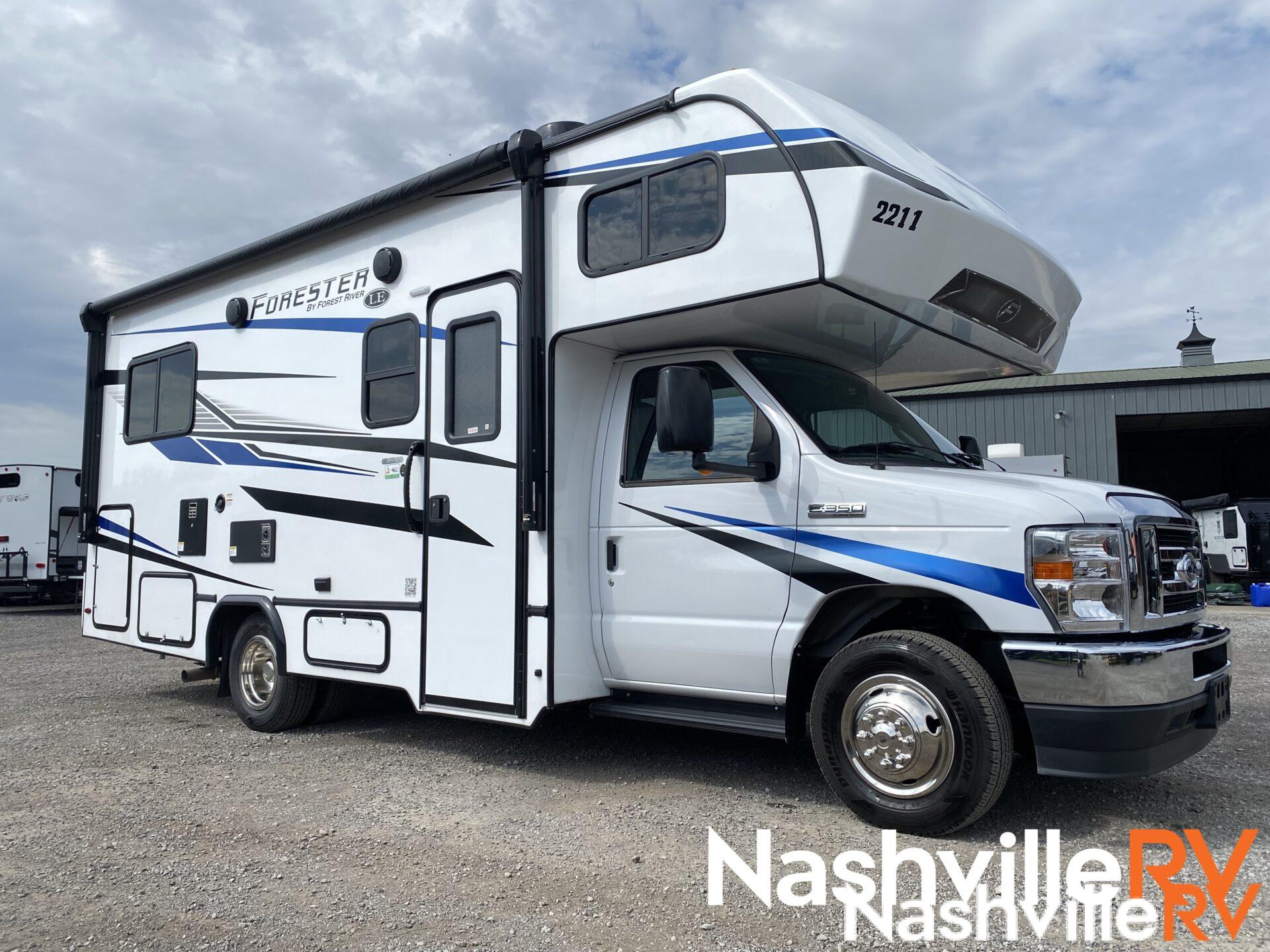
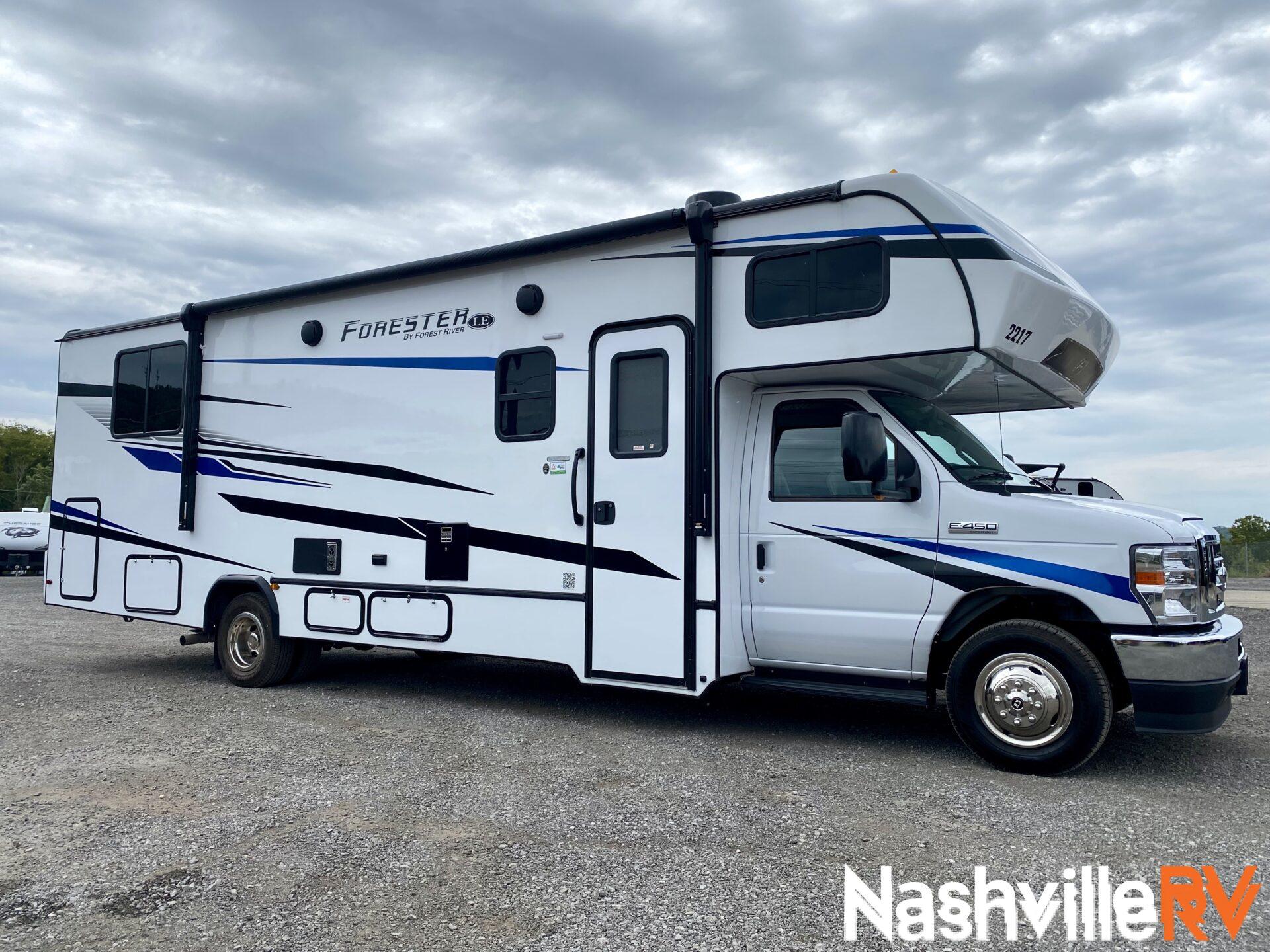
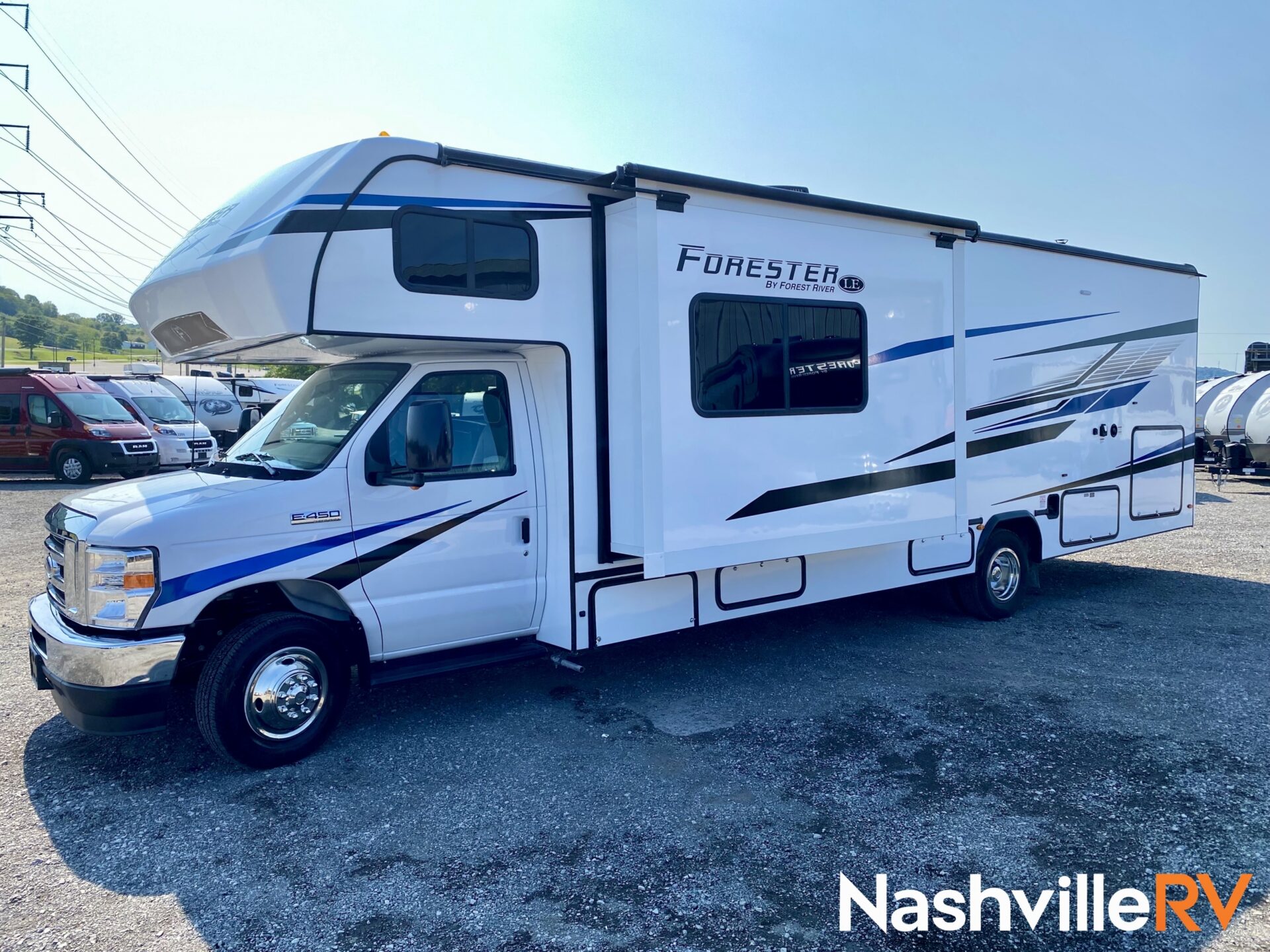
RV Types Curerntly Available to Rent:
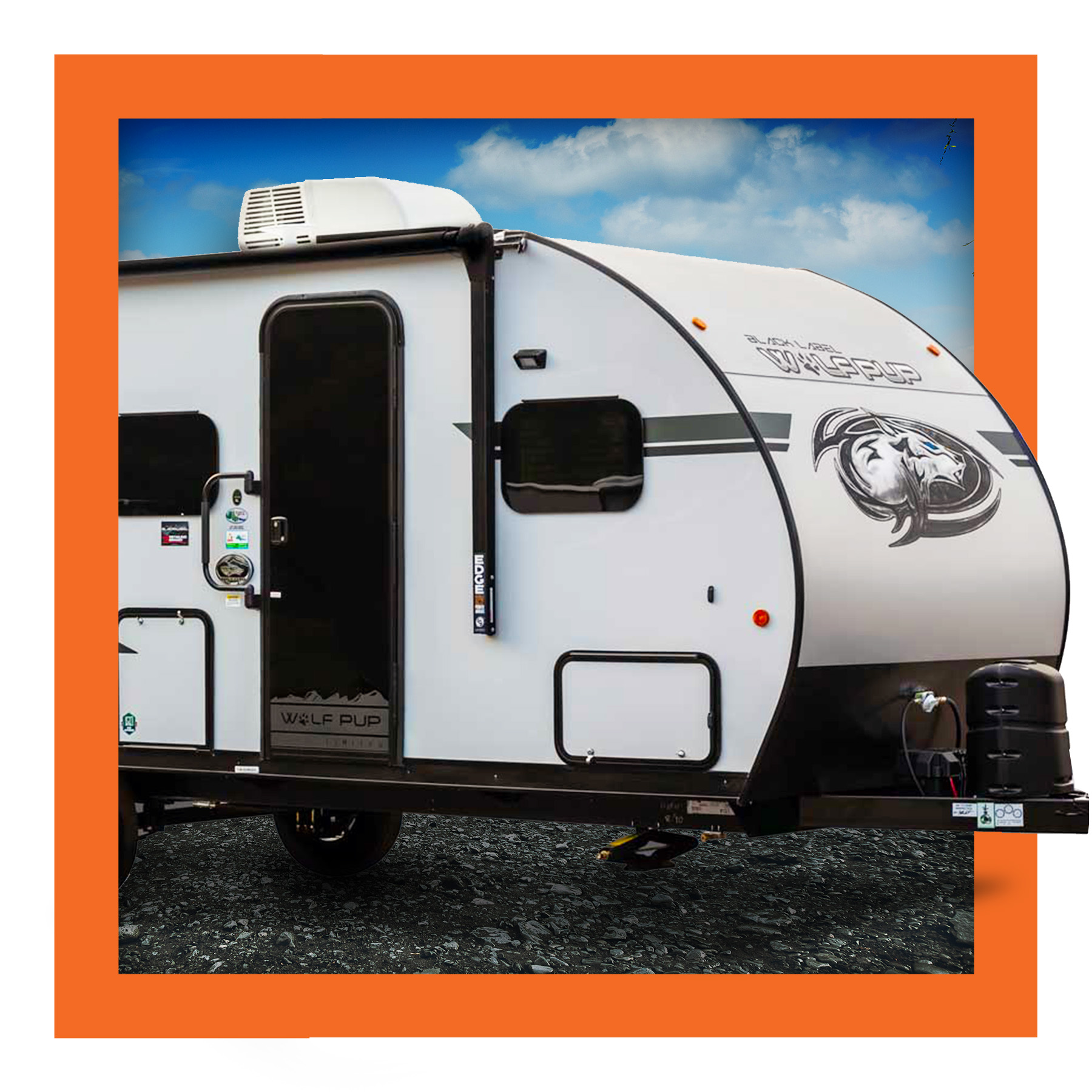
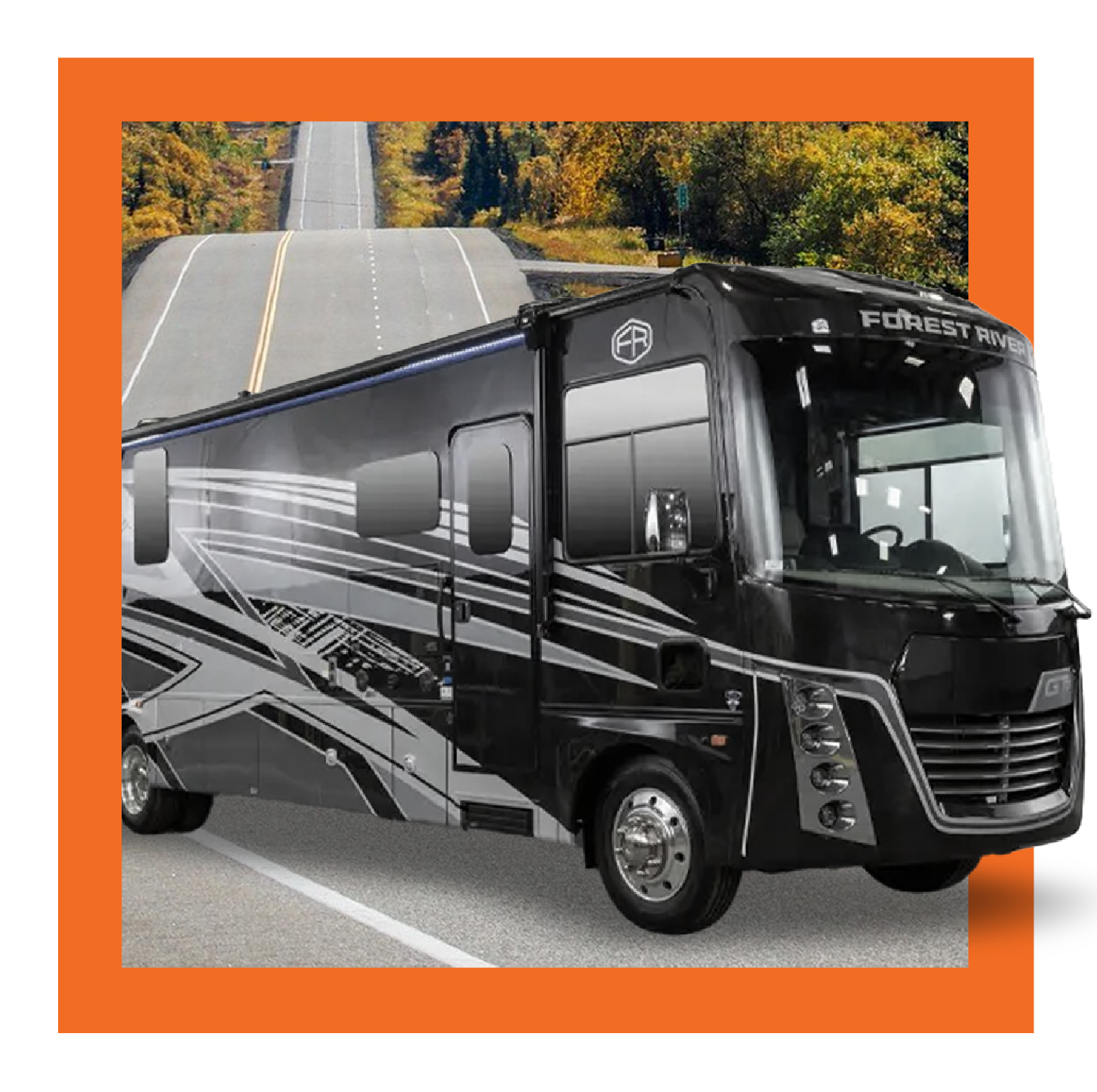
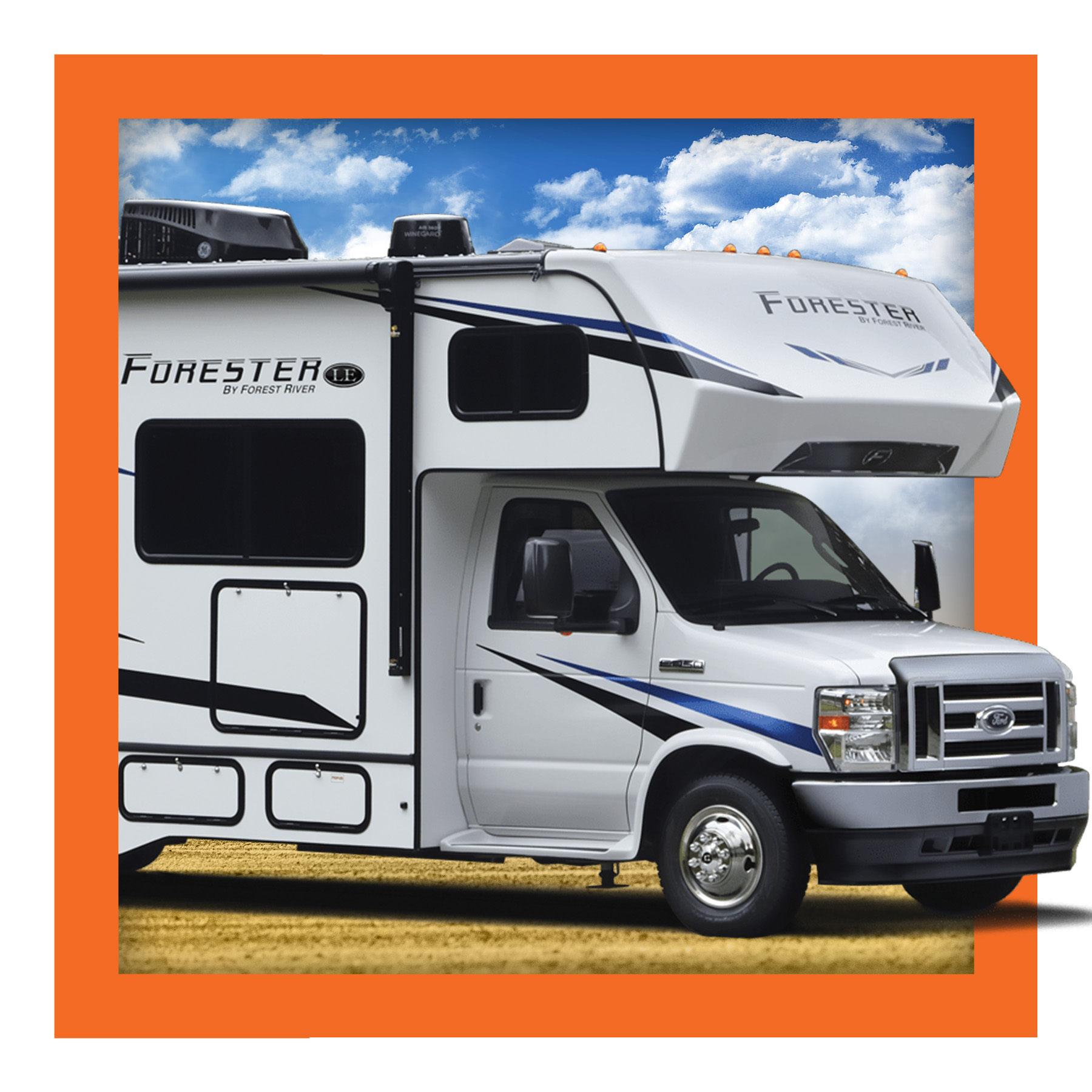
All of our RV Rental vehicles—motorhomes and travel trailers of all shapes and sizes—are kept immaculately clean and have been upgraded to offer every luxurious amenity available to them. Our team is ready and waiting to find you the best possible vehicle for your adventure… and your budget.